


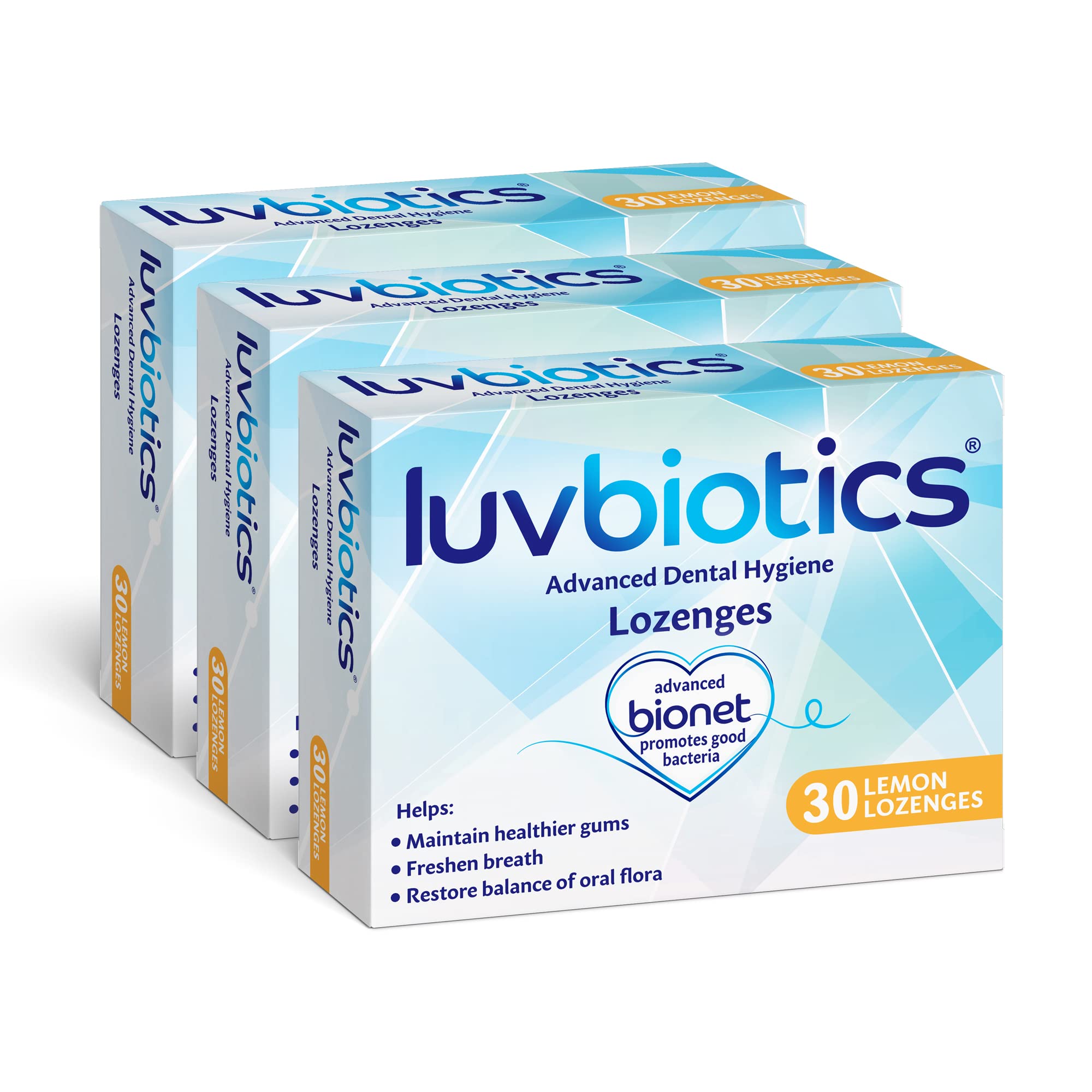
Harnessing Nature's Power: Xylitol and Probiotics for Optimal Oral Health
Maintaining a healthy smile often involves a complex interplay of factors. While brushing and flossing form the cornerstone of good oral hygiene, exploring innovative, natural approaches can significantly bolster your efforts. This article delves into the promising potential of two natural allies in the fight against tooth decay and gum disease: xylitol and probiotics. We will explore their individual mechanisms of action and the synergistic benefits of combining them for comprehensive oral care.
Understanding Xylitol's Role in Preventing Tooth Decay
Xylitol, a natural sugar alcohol found in many fruits and vegetables, acts as a powerful weapon against the bacteria responsible for cavities. Unlike sucrose (table sugar), xylitol prevents Streptococcus mutans, the primary cavity-causing bacteria, from adhering to tooth enamel. This crucial step disrupts the bacteria's ability to metabolize sugars into acids, the substances that erode tooth enamel and lead to cavities. Studies have shown that regular xylitol consumption, in the form of chewing gum or lozenges, effectively reduces the population of S. mutans in the mouth, leading to a significant decrease in cavity formation.
How Xylitol Works:
Xylitol's effectiveness stems from its unique molecular structure. Bacteria readily uptake xylitol, but they lack the enzymes to fully metabolize it. This metabolic impasse prevents acid production, effectively starving the bacteria and hindering their ability to cause decay. Furthermore, xylitol stimulates saliva production, which acts as a natural cleanser, washing away food particles and neutralizing acids.
The Probiotic Advantage: Restoring Oral Microbiome Balance
Our mouths are teeming with a diverse community of microorganisms â€" the oral microbiome. A healthy balance within this microbiome is essential for oral health. Probiotics, beneficial bacteria, can help tip the scales in our favor by outcompeting harmful bacteria, such as S. mutans, for resources and space. Specific probiotic strains, like Lactobacillus reuteri and Lactobacillus rhamnosus, have demonstrated promising results in reducing plaque formation, gingivitis, and even halitosis.
Probiotics for Gum Health:
Gum disease, or periodontitis, is a serious infection that can lead to tooth loss if left untreated. Probiotics offer a potential non-invasive approach to managing gum disease by reducing inflammation and improving the overall health of the gums. By strengthening the defenses of the oral microbiome, probiotics assist in restoring a healthy balance and reducing the risk of periodontal infections.
Synergistic Effects: The Power of Combining Xylitol and Probiotics
The combined use of xylitol and probiotics offers a powerful, multifaceted approach to oral health. Xylitol directly targets cavity-causing bacteria, while probiotics contribute to a healthier oral microbiome that is less susceptible to infection. This synergistic effect enhances the individual benefits of each component, leading to more significant improvements in both tooth decay and gum health. Consider this a holistic approach that strengthens the body's natural defenses.
Practical Implementation:
Integrating xylitol and probiotics into your oral care routine is relatively straightforward. Choose xylitol-containing chewing gum or mints and incorporate probiotic supplements specifically formulated for oral health. Remember to consult with your dentist or healthcare provider before making significant changes to your diet or supplement regimen, especially if you have pre-existing health conditions.
Important Note: While xylitol and probiotics offer promising benefits, they should not replace regular brushing, flossing, and dental check-ups. These remain crucial components of a comprehensive oral hygiene plan.

0 comments:
Post a Comment
Note: Only a member of this blog may post a comment.