Thursday, November 21, 2024

Preventing Gum Inflammation: The Benefits of Oral Health Supplements

Preventing Gum Inflammation: The Benefits of Oral Health Supplements

Preventing Gum Inflammation: The Benefits of Oral Health Supplements

Hey everyone! Let's talk about something super important: gum health. We all know that a dazzling smile is fantastic, but healthy gums are the real foundation of a happy mouth. And sometimes, even with the best brushing and flossing, we can still experience gum inflammation, also known as gingivitis. That's where oral health supplements can step in and be a real game-changer.

Understanding Gum Inflammation (Gingivitis)

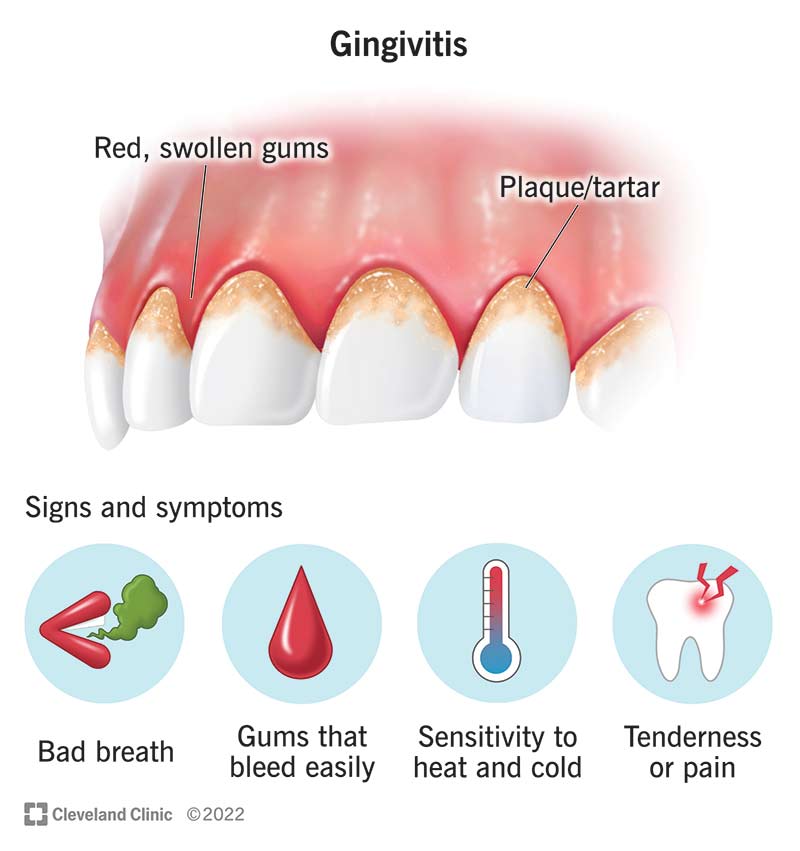
Gingivitis is the early stage of gum disease, and it's characterized by red, swollen, and easily bleeding gums. It's often caused by plaque, that sticky film of bacteria that constantly forms on our teeth. If not properly removed through brushing and flossing, plaque can irritate the gums, leading to inflammation. And believe me, ignoring gingivitis can lead to much more serious problems down the line, like periodontitis, which can cause tooth loss!

While good oral hygiene is the cornerstone of preventing gingivitis, sometimes we need a little extra help. That's where oral health supplements can be incredibly beneficial.

The Role of Oral Health Supplements

Oral health supplements aren't meant to replace brushing and flossing â€" think of them as your amazing support team! They work alongside your regular oral hygiene routine to boost your gum health and provide additional protection against inflammation.

Key Ingredients to Look For

Many supplements contain ingredients specifically designed to target gum health. Here are some of the most common and effective ones:

  • Vitamin C: A powerful antioxidant that supports healthy collagen production, crucial for strong gums and tissues.
  • Vitamin D: Plays a role in immune function, which is essential for fighting off the bacteria that contribute to gum inflammation.
  • Vitamin K2: Helps regulate calcium levels, promoting healthy bone and gum tissue.
  • Omega-3 Fatty Acids: Known for their anti-inflammatory properties, they can help reduce gum swelling and bleeding.
  • Coenzyme Q10 (CoQ10): An antioxidant that protects cells from damage and supports gum health.
  • Bioflavonoids: These plant compounds exhibit strong antioxidant and anti-inflammatory properties, potentially benefiting gum health.
  • Probiotics: These beneficial bacteria can help restore the balance of microorganisms in your mouth, promoting a healthier environment for your gums.

Benefits of Using Oral Health Supplements

Adding oral health supplements to your routine can offer several benefits beyond what you achieve with brushing and flossing alone:

  • Reduced Gum Inflammation: Many supplements directly target inflammation, helping to reduce redness, swelling, and bleeding.
  • Improved Gum Health: By supporting the tissues and boosting immune function, these supplements contribute to overall gum health and resilience.
  • Enhanced Oral Hygiene: They complement your brushing and flossing, creating a more comprehensive approach to oral care.
  • Strengthened Immune Response: Certain ingredients like Vitamin D help strengthen your body's natural defense mechanisms against bacteria that cause gum problems.
  • Prevention of Gum Disease Progression: By tackling inflammation early, supplements can help prevent gingivitis from progressing to more serious forms of gum disease.

Choosing the Right Supplement

The oral health supplement market can be a little overwhelming. Here's what to keep in mind when choosing a product:

  • Check the Ingredients: Look for supplements that contain a blend of the beneficial nutrients mentioned above.
  • Read Reviews: See what other users have to say about their experience with the supplement.
  • Consult Your Dentist or Doctor: Always discuss any new supplements with your healthcare providers, especially if you have pre-existing health conditions or are taking other medications.
  • Look for Reputable Brands: Choose supplements from reputable companies with a track record of quality and safety.
  • Consider Your Individual Needs: The best supplement for you will depend on your specific oral health needs and overall health status.

Beyond Supplements: A Holistic Approach to Gum Health

Remember, supplements are just one piece of the puzzle. A holistic approach to gum health involves several key aspects:

  • Consistent Brushing and Flossing: This remains the most crucial step in preventing gum inflammation. Aim for twice-daily brushing and daily flossing.
  • Regular Dental Checkups: Visiting your dentist for professional cleanings and checkups is essential for early detection and treatment of gum problems.
  • Healthy Diet: A balanced diet rich in fruits, vegetables, and whole grains supports overall health, including your oral health.
  • Managing Stress: Believe it or not, stress can impact your immune system and potentially worsen gum inflammation. Finding healthy ways to manage stress is vital.
  • Quitting Smoking: Smoking significantly increases your risk of gum disease. Quitting is one of the best things you can do for your overall and oral health.

Commonly Asked Questions

Here are some frequently asked questions about oral health supplements and gum inflammation:

  • Q: Will oral health supplements cure gum disease? A: No, supplements are not a cure for gum disease. They are designed to support gum health and reduce inflammation, but they should be used in conjunction with professional dental care.
  • Q: How long does it take to see results from oral health supplements? A: The timeframe varies depending on the individual and the supplement. Some people may see improvements within a few weeks, while others may take longer.
  • Q: Are oral health supplements safe? A: Generally, oral health supplements are safe when taken as directed. However, it's always best to consult your dentist or doctor before starting any new supplement, especially if you have underlying health conditions or are taking other medications.
  • Q: Can I replace brushing and flossing with oral health supplements? A: Absolutely not! Supplements are meant to complement, not replace, good oral hygiene practices.
  • Q: What if my gums are already bleeding? A: If you're experiencing bleeding gums, it's crucial to see your dentist immediately. They can diagnose the issue and recommend the appropriate treatment.

Remember, maintaining healthy gums is a journey, not a destination. By combining good oral hygiene practices with the potential benefits of oral health supplements, you can significantly improve your chances of keeping your smile healthy and bright for years to come!

How Natural Probiotics Support Your Body’s Natural Defenses

How Natural Probiotics Support Your Body’s Natural Defenses

Natural Probiotics and the Enhancement of Innate Immune Defenses

The human body is a complex ecosystem, constantly interacting with a vast array of microorganisms. Maintaining a balanced microbial community, particularly within the gastrointestinal tract, is crucial for overall health and well-being. Natural probiotics, live microorganisms that confer a health benefit on the host when administered in adequate amounts, play a pivotal role in fortifying the body's natural defenses against pathogens and promoting a robust immune response. This article will explore the multifaceted ways in which natural probiotics contribute to the enhancement of the innate immune system, a crucial first line of defense against invading microorganisms.

The Innate Immune System: A First Line of Defense

The innate immune system is the body's immediate, non-specific response to pathogens. Unlike the adaptive immune system, which develops specific immunity over time, the innate system provides a rapid, broad-spectrum defense mechanism. This system encompasses a variety of cellular and molecular components, including:

  • Physical barriers: Skin, mucous membranes, and cilia act as the first line of defense, preventing pathogen entry.
  • Chemical barriers: Stomach acid, antimicrobial peptides, and lysozymes create a hostile environment for many pathogens.
  • Cellular components: Phagocytes (macrophages, neutrophils), natural killer (NK) cells, and dendritic cells identify and eliminate pathogens through phagocytosis and cytotoxic activity.
  • Inflammatory response: This complex process involves the recruitment of immune cells to the site of infection, leading to tissue repair and pathogen elimination.

The efficacy of the innate immune system is crucial in preventing infection and controlling its spread. Dysregulation or impairment of this system can lead to increased susceptibility to various infections and diseases.

Mechanisms by which Probiotics Enhance Innate Immunity

Natural probiotics, particularly those derived from fermented foods or dietary supplements, exert their beneficial effects on the innate immune system through several interconnected mechanisms:

1. Modulation of Gut Microbiota Composition

The gut microbiota, a complex community of bacteria, fungi, and viruses residing in the gastrointestinal tract, plays a crucial role in shaping immune responses. Probiotics can alter the composition and function of this community, promoting a healthy balance that benefits immune function. They achieve this by:

  • Competing with pathogens: Probiotics compete with pathogenic bacteria for nutrients and binding sites, preventing pathogen colonization and reducing their virulence.
  • Producing antimicrobial substances: Certain probiotics produce bacteriocins and other antimicrobial compounds that directly inhibit the growth of harmful bacteria.
  • Producing short-chain fatty acids (SCFAs): SCFAs, such as butyrate, propionate, and acetate, produced by probiotic fermentation, have immunomodulatory effects, strengthening the intestinal barrier and influencing immune cell function.

2. Strengthening the Intestinal Barrier

The intestinal barrier is a crucial component of the innate immune system, preventing the translocation of harmful substances and microorganisms from the gut lumen into the bloodstream. Probiotics strengthen this barrier by:

  • Tight junction regulation: Probiotics influence the expression and function of tight junction proteins, which are essential for maintaining intestinal epithelial integrity.
  • Mucosal barrier enhancement: Probiotics stimulate the production of mucus, a protective layer that traps pathogens and prevents their interaction with the intestinal epithelium.
  • Reducing intestinal permeability: By strengthening the tight junctions and increasing mucus production, probiotics reduce the "leaky gut" phenomenon, which is associated with increased inflammation and immune dysregulation.

3. Modulation of Immune Cell Activity

Probiotics directly interact with immune cells, influencing their activity and function. This modulation includes:

  • Enhanced phagocytosis: Some probiotics stimulate the phagocytic activity of macrophages and neutrophils, increasing their ability to engulf and destroy pathogens.
  • Increased production of cytokines: Probiotics can modulate the production of various cytokines, signaling molecules that regulate immune responses. This includes both pro-inflammatory and anti-inflammatory cytokines, leading to a balanced immune response.
  • Regulation of NK cell activity: Certain probiotics have been shown to enhance the activity of NK cells, increasing their ability to kill infected or cancerous cells.
  • Dendritic cell maturation and antigen presentation: Probiotics can influence the maturation and antigen-presenting capabilities of dendritic cells, crucial for initiating adaptive immune responses.

4. Reduction of Inflammation

Chronic low-grade inflammation is implicated in various diseases. Probiotics can contribute to reducing inflammation by:

  • Inhibiting pro-inflammatory pathways: Probiotics can suppress the production of pro-inflammatory cytokines and mediators, reducing inflammation in the gut and potentially systemically.
  • Promoting the production of anti-inflammatory cytokines: Probiotics can stimulate the production of anti-inflammatory cytokines, counteracting the effects of inflammation.
  • Improving gut barrier function: As mentioned previously, a compromised gut barrier can lead to increased inflammation. By strengthening the barrier, probiotics help to prevent the entry of pathogens and reduce inflammation.

Conclusion

Natural probiotics represent a promising approach to supporting and enhancing the body's innate immune defenses. Through a complex interplay of mechanisms, including modulation of gut microbiota composition, strengthening of the intestinal barrier, modulation of immune cell activity, and reduction of inflammation, probiotics contribute significantly to overall immune health. While further research is needed to fully elucidate the intricacies of these interactions and to determine the optimal probiotic strains and dosages for various health conditions, the existing evidence strongly suggests the significant potential of natural probiotics in promoting a robust and resilient immune system. The incorporation of probiotic-rich foods and carefully selected supplements into a healthy lifestyle can be a valuable strategy for bolstering natural defenses against infection and promoting overall well-being.

How to Prevent Gum Inflammation and Maintain a Healthy Mouth

How to Prevent Gum Inflammation and Maintain a Healthy Mouth

Conquer Gum Inflammation and Achieve a Sparkling Smile: Your Guide to Oral Health

Gum inflammation, or gingivitis, is a prevalent oral health concern that, if left unchecked, can lead to serious complications like periodontitis, potentially resulting in tooth loss. Fortunately, proactive measures can significantly reduce your risk and maintain a healthy, vibrant smile. This guide provides comprehensive strategies to combat gum inflammation and cultivate optimal oral hygiene.

Mastering the Art of Brushing and Flossing

The cornerstone of gum health rests on consistent and effective brushing and flossing. Don't just go through the motions; aim for precision. Use a soft-bristled toothbrush and gently brush at a 45-degree angle to your gum line, making sure to reach all surfaces of each tooth. Focus on small, circular motions, ensuring you spend at least two minutes on each brushing session, twice a day. Consider an electric toothbrush if you find manual brushing challenging; many models offer superior plaque removal. Following your brushing, diligently floss between each tooth to remove trapped food particles and plaque that your toothbrush can't reach. Gently guide the floss along the gum line, curving it around each tooth. This meticulous approach disrupts the buildup of bacteria that contribute to gum inflammation.

Nutrition's Role in Gum Health

Your diet plays a surprising role in maintaining healthy gums. A balanced diet rich in fruits, vegetables, and whole grains provides essential vitamins and minerals that support your immune system and overall oral health. Limit sugary drinks and snacks, as they feed the bacteria that cause plaque buildup and contribute to gum inflammation. Furthermore, consider incorporating foods rich in Vitamin C (like citrus fruits and berries) and Vitamin K (like leafy greens), which are known to promote gum health. Stay hydrated by drinking plenty of water throughout the day; it helps rinse away food particles and bacteria, reducing the risk of inflammation.

Specific Foods to Include and Avoid

Prioritize foods that promote oral health. These include:

  • Leafy greens (spinach, kale): Rich in Vitamin K and antioxidants.
  • Citrus fruits (oranges, lemons): Excellent source of Vitamin C.
  • Carrots and celery: Naturally abrasive, helping clean teeth.

Conversely, minimize consumption of:

  • Sugary drinks (soda, juice): Fuel for harmful bacteria.
  • Processed foods: Often lack essential nutrients.
  • Sticky candies: Cling to teeth, promoting plaque buildup.

Seeking Professional Guidance

Regular visits to your dentist are crucial for preventative care. Schedule professional cleanings at least twice a year. During these appointments, your dentist will remove plaque and tartar buildup that you may miss at home, significantly reducing your risk of gum disease. They can also identify any early signs of gum inflammation or other oral health issues, allowing for prompt intervention and treatment. Don't hesitate to discuss any concerns you have about your gum health; early detection is key to preventing serious complications.

Addressing Underlying Health Conditions

Certain medical conditions, such as diabetes and hormonal imbalances, can increase your susceptibility to gum disease. Manage existing health conditions effectively through medication and lifestyle changes as directed by your physician. This holistic approach minimizes the risk of complications and improves overall oral health. Open communication with your dentist and physician is vital to ensuring comprehensive care. By working together, you can proactively address any underlying factors contributing to gum inflammation.