Friday, November 22, 2024

Natural Remedies for Bad Breath: Harnessing the Power of Probiotics

Natural Remedies for Bad Breath: Harnessing the Power of Probiotics

Natural Remedies for Bad Breath: Harnessing the Power of Probiotics

Halitosis, commonly known as bad breath, is a prevalent condition affecting a significant portion of the global population. While various factors contribute to its etiology, including poor oral hygiene, dietary choices, and certain medical conditions, a growing body of evidence highlights the crucial role of the oral microbiome in its pathogenesis. This article explores the potential of probiotics as a natural and effective remedy for combating bad breath, focusing on their mechanisms of action and practical applications.

Understanding the Oral Microbiome and its Role in Halitosis

The human mouth harbors a complex ecosystem of microorganisms, collectively known as the oral microbiome. This diverse community comprises bacteria, fungi, viruses, and archaea, interacting dynamically with each other and the host. A balanced oral microbiome is essential for maintaining oral health. However, disruptions in this delicate equilibrium, often referred to as dysbiosis, can lead to a variety of oral diseases, including halitosis.

The Volatile Sulfur Compounds (VSCs) Connection

The primary cause of bad breath is the production of volatile sulfur compounds (VSCs), primarily hydrogen sulfide (H2S), methyl mercaptan (CH3SH), and dimethyl sulfide (DMS). These malodorous gases are produced by specific anaerobic bacteria residing in the oral cavity, particularly in the biofilm adhering to the tongue's dorsal surface and within periodontal pockets. These bacteria thrive in anaerobic environments, proliferating in areas with limited oxygen availability.

Dysbiosis and its Impact on VSC Production

Dysbiosis, characterized by an imbalance in the composition and activity of the oral microbiome, often favors the overgrowth of VSC-producing bacteria. Factors contributing to this imbalance include poor oral hygiene, dietary habits high in sulfur-containing compounds, smoking, certain medical conditions (e.g., periodontitis, gastroesophageal reflux disease), and medication side effects. The resulting increase in VSC production leads to the characteristic unpleasant odor associated with halitosis.

Probiotics: Restoring Oral Microbiome Balance

Probiotics, defined as live microorganisms that confer a health benefit on the host when administered in adequate amounts, offer a promising approach to modulating the oral microbiome and combating halitosis. Their beneficial effects are multifaceted and encompass:

Competitive Exclusion

Probiotic bacteria compete with VSC-producing bacteria for nutrients and attachment sites on the tooth surfaces and oral mucosa. By outcompeting these harmful bacteria, probiotics effectively reduce their population and consequently, their VSC production. This competitive exclusion mechanism is a key factor in their efficacy against halitosis.

Production of Antibacterial Substances

Certain probiotic strains produce antimicrobial substances, such as bacteriocins, that directly inhibit the growth of VSC-producing bacteria. These substances disrupt the bacterial cell membrane or interfere with their metabolic processes, preventing their proliferation and reducing VSC production. This direct antagonism further contributes to the improvement of halitosis.

Modulation of Immune Response

Probiotics can modulate the host's immune response, enhancing the body's natural defenses against harmful bacteria. This modulation can indirectly reduce the prevalence of VSC-producing bacteria by promoting a healthier oral environment. Strengthening the immune system contributes to the overall oral health and resilience against halitosis.

Impact on Salivary pH and Buffering Capacity

Some probiotic strains influence salivary pH and buffering capacity, creating a less favorable environment for the growth of acidogenic and VSC-producing bacteria. Maintaining a neutral or slightly alkaline pH helps to suppress the activity of these harmful bacteria, thus mitigating the production of VSCs and improving breath odor.

Specific Probiotic Strains and their Potential Benefits

Several probiotic strains have demonstrated promising results in reducing halitosis in preclinical and clinical studies. While more research is needed to establish definitive guidelines, some of the commonly investigated strains include:

  • Lactobacillus reuteri: This strain has shown efficacy in reducing VSC production and improving oral hygiene parameters.
  • Streptococcus salivarius K12: This strain exhibits strong antagonistic activity against various pathogenic oral bacteria, including VSC producers.
  • Weissella cibaria: This strain has demonstrated potential in modulating the oral microbiome and reducing inflammation, indirectly contributing to halitosis reduction.

It is important to note that the efficacy of probiotics can vary depending on the specific strain, dosage, formulation, and individual characteristics. Further research is needed to optimize the use of probiotics for halitosis treatment and to identify the most effective strains and delivery methods.

Practical Applications and Considerations

Probiotics for halitosis can be administered in various forms, including:

  • Oral probiotics in capsule or tablet form: These offer a convenient way to supplement the oral microbiome with beneficial bacteria.
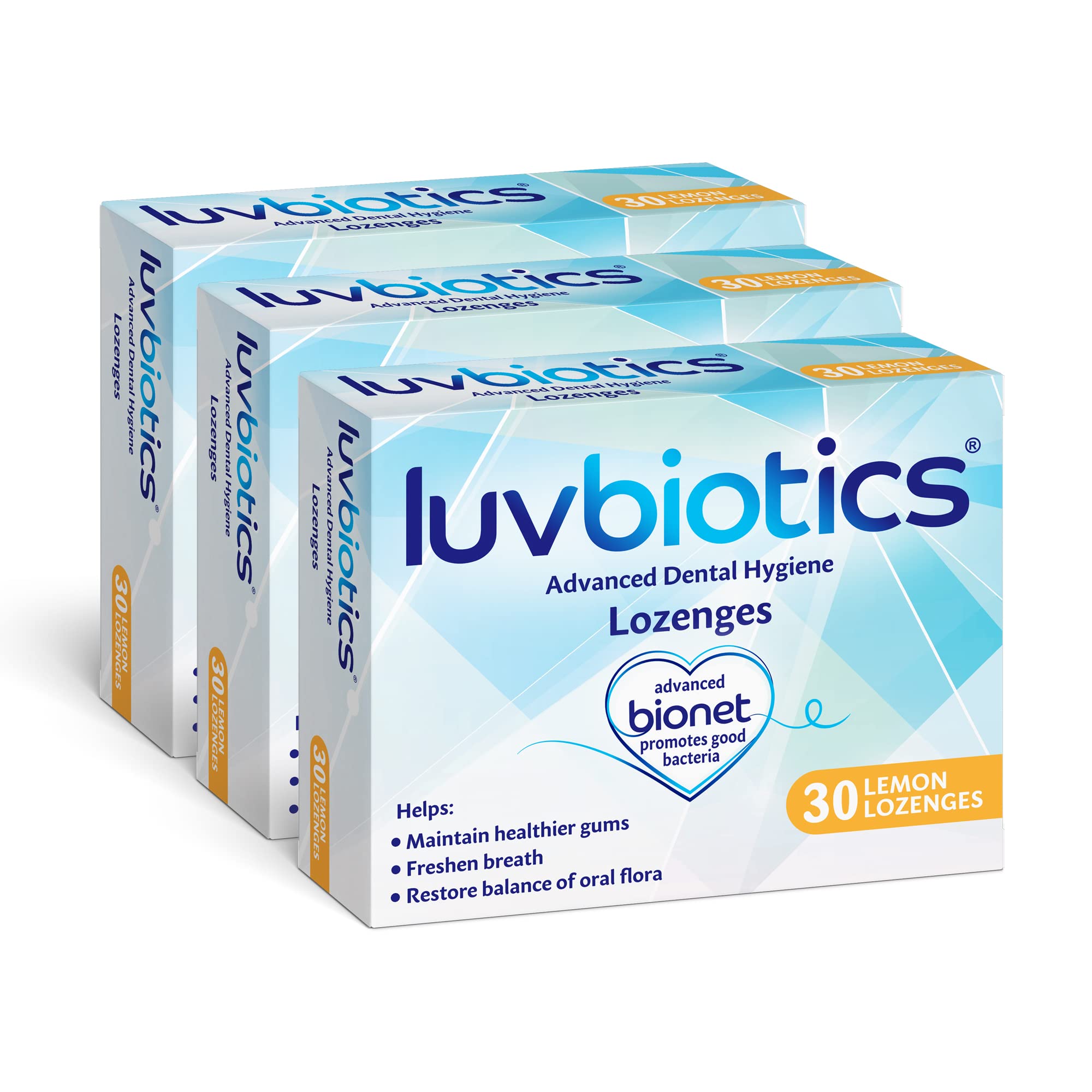
  • Probiotic lozenges or chewing gums: These formulations allow for direct delivery of probiotics to the oral cavity, potentially enhancing their efficacy.
  • Probiotic mouthwashes: These offer a targeted approach for delivering probiotics to the oral mucosa.

However, it is crucial to consult with a healthcare professional or dentist before using probiotic supplements, particularly if you have underlying medical conditions or are taking other medications. They can help determine the appropriate strain, dosage, and potential interactions.

Conclusion

Halitosis is a multifaceted condition influenced by the complex interplay between the oral microbiome and host factors. Probiotics offer a promising natural approach to manage halitosis by restoring the balance of the oral microbiome, inhibiting VSC-producing bacteria, and modulating the immune response. While promising results have emerged from preclinical and clinical studies, further research is warranted to establish optimal probiotic strains, dosages, and formulations for effective halitosis management. The integration of probiotics into a comprehensive oral hygiene regimen, along with dietary modifications and lifestyle adjustments, holds the potential for significantly improving oral health and reducing the prevalence of bad breath.

Disclaimer: This article provides general information and should not be considered medical advice. Always consult with a healthcare professional or dentist before starting any new treatment or supplement regimen, particularly if you have underlying health conditions.


Stop Gums from Bleeding Naturally Using Simple Oral Care Tips

Stop Gums from Bleeding Naturally Using Simple Oral Care Tips

Stop Gums from Bleeding Naturally Using Simple Oral Care Tips

Hey there! Bleeding gums? Ugh, I know the feeling. It's not only annoying, but it can also be a sign of something more serious. Before you panic and book a dentist appointment (which, by the way, is always a good idea if this is a persistent problem!), let's explore some simple, natural ways to tackle those bleeding gums and get your smile back to its happy, healthy self. This isn't a replacement for professional dental care, but it can be a fantastic first step and a great way to maintain healthy gums between checkups.

Understanding Why Your Gums Bleed

Before we dive into solutions, let's briefly understand why your gums might be bleeding. The most common culprit is gingivitis, the early stage of gum disease. Gingivitis happens when plaque â€" that sticky film of bacteria that forms on your teeth â€" builds up and irritates your gums. This irritation leads to inflammation, making your gums red, swollen, and, yes, prone to bleeding.

Other reasons for bleeding gums can include:

  • Aggressive brushing: Scrubbing too hard can damage your gum tissue.
  • Hormonal changes: Pregnancy and puberty can make gums more sensitive and susceptible to bleeding.
  • Certain medications: Some medications can have a side effect of increased gum bleeding.
  • Vitamin C deficiency: Vitamin C is crucial for healthy gums and tissues.
  • Underlying medical conditions: In rare cases, bleeding gums can be a symptom of a more serious health issue.

If you're experiencing persistent or heavy bleeding, or if it's accompanied by other symptoms like pain, swelling, or loose teeth, schedule an appointment with your dentist immediately. This guide focuses on addressing mild bleeding related to gingivitis and poor oral hygiene.

Simple Steps to Stop Bleeding Gums Naturally

Now for the good stuff â€" the natural remedies and oral care habits that can help heal your gums and prevent future bleeding. Remember, consistency is key!

Mastering the Art of Brushing

We all brush our teeth, right? But are we doing it *right*? Aggressive brushing is a common cause of gum bleeding. Here's the gentler approach:

  • Use a soft-bristled toothbrush: Hard bristles can irritate and damage your gums. Look for a toothbrush that's specifically designed for sensitive gums.
  • Brush gently: Use short, gentle strokes, focusing on cleaning each tooth individually. Don't scrub! Think more like massaging your gums and teeth.
  • Brush at a 45-degree angle: This angle helps clean beneath the gumline where plaque loves to hide.
  • Brush twice a day for two minutes each time: This is the gold standard for good oral hygiene.

Floss Like a Boss

Flossing is just as important as brushing! It removes plaque and food particles from between your teeth where your toothbrush can't reach. Bleeding while flossing is a sign that you need to floss more regularly â€" not less!

  • Use the right technique: Gently curve the floss around each tooth in a C-shape, sliding it up and down against the tooth surface and under the gumline.
  • Don't snap the floss: This can damage your gums. Use gentle but firm movements.
  • Floss at least once a day: Aim for once a day, ideally before bed.

Rinse, Rinse, Rinse

Rinsing helps remove loose food particles and bacteria. You can use plain water, a fluoride mouthwash (as directed by your dentist), or even a natural mouthwash like saltwater or tea tree oil diluted in water. (Always do a patch test with any new essential oil to check for sensitivity).

Eat a Healthy Diet

What you eat plays a significant role in your gum health. A diet rich in fruits, vegetables, and whole grains provides the nutrients your gums need to stay healthy and strong. Focus on foods rich in Vitamin C, like citrus fruits, berries, and leafy greens.

Manage Stress

Believe it or not, stress can worsen gum inflammation. Find healthy ways to manage stress, such as exercise, yoga, meditation, or spending time in nature. A calm mind can contribute to a healthier body, including healthier gums.

Consider Natural Remedies

While these aren't miracle cures, some natural remedies may help soothe inflamed gums:

  • Aloe vera: Its anti-inflammatory properties can help reduce gum swelling.
  • Saltwater rinse: Dissolve a teaspoon of salt in a cup of warm water and rinse your mouth gently. The salt helps draw out inflammation.
  • Tea tree oil (diluted): Known for its antiseptic properties, tea tree oil can help fight bacteria. Always dilute it with water before using it in your mouth.

Important Note: Always do a patch test before using any natural remedy, especially essential oils, to ensure you don't have an allergic reaction.

When to See a Dentist

While these tips can help manage mild bleeding gums, it's crucial to remember they aren't a substitute for professional dental care. See your dentist if:

  • Your gums bleed frequently and excessively.
  • Your gums are swollen, red, and painful.
  • You have bad breath that persists.
  • Your teeth feel loose.
  • You notice pus or other discharge from your gums.

Early detection and treatment of gum disease are key to preventing more serious problems. Regular dental checkups and cleanings are essential for maintaining good oral health.

Frequently Asked Questions

Q: Will my gums always bleed if I have gingivitis?

A: Not necessarily. With proper oral hygiene and treatment, gingivitis can be reversed, and the bleeding should stop.

Q: How long does it take for bleeding gums to stop?

A: It depends on the severity of the problem and how well you stick to your improved oral hygiene routine. You might see improvement within a few days or weeks, but for persistent issues, it's best to consult a dentist.

Q: Can I use hydrogen peroxide to stop bleeding gums?

A: While hydrogen peroxide has antiseptic properties, it can also irritate your gums if used too frequently or at too high a concentration. It's best to consult your dentist before using hydrogen peroxide for gum bleeding.

Q: Is it okay to brush if my gums are bleeding?

A: Yes, but do it gently with a soft-bristled toothbrush. Avoid scrubbing. Gentle brushing helps remove plaque which is contributing to the problem.

Q: Are there any foods I should avoid if my gums are bleeding?

A: Avoid hard, crunchy foods that could irritate your gums further. Also, minimize sugary foods and drinks as these feed the bacteria that cause plaque buildup.

Remember, taking care of your gums is crucial for your overall oral health. These tips should help you get started, but always consult your dentist for personalized advice and treatment.

The Science Behind the Oral Microbiome and Gum Inflammation

The Science Behind the Oral Microbiome and Gum Inflammation

The Science Behind the Oral Microbiome and Gum Inflammation

Okay, let's talk about your mouth â€" specifically, the tiny ecosystem living inside it and how it can impact your gum health. It might sound a bit weird, but your mouth is teeming with life! We're not just talking about the food particles lingering after a meal, but a whole community of bacteria, fungi, viruses, and even archaea â€" all collectively known as the oral microbiome.

This isn't just some random collection of microbes either. It's a complex and dynamic community, constantly interacting with each other and with your body. And believe it or not, a healthy, balanced oral microbiome is crucial for healthy gums.

Understanding the Oral Microbiome

Think of your mouth like a miniature rainforest. Different areas, like your tongue, cheeks, and gums, have unique environments that support different types of microbes. Some are good guys, helping to break down food and even protecting against harmful bacteria. Others… well, not so much. These "bad guys" can contribute to a variety of oral health problems, and gum disease (gingivitis and periodontitis) is a prime example.

The Good, the Bad, and the Ugly

The "good" bacteria in your mouth help maintain a balanced ecosystem. They compete with the harmful bacteria for resources and space, preventing the bad guys from taking over. They also contribute to overall oral health by producing substances that protect against harmful invaders.

On the other hand, the "bad" bacteria are the troublemakers. Species like Porphyromonas gingivalis, Tannerella forsythia, and Aggregatibacter actinomycetemcomitans are strongly linked to gum disease. These bacteria produce toxins and enzymes that damage the gums and the supporting tissues of your teeth.

And then there are those opportunistic bacteria. These guys usually don't cause problems in a healthy mouth, but when the balance is disrupted (e.g., through poor oral hygiene or a weakened immune system), they can contribute to the development of inflammation.

How the Microbiome Leads to Gum Inflammation

So, how do these bacteria cause gum inflammation (gingivitis)? It's a bit of a chain reaction:

  1. Plaque Accumulation: Bacteria in your mouth constantly produce a sticky film called plaque. Plaque is a biofilm â€" a complex community of bacteria embedded in a self-produced matrix. If not removed regularly, it builds up on your teeth and gums.
  2. Bacterial Toxins: The bacteria within plaque produce various toxins (lipopolysaccharides, proteases, etc.) that irritate the gums. This triggers an inflammatory response.
  3. Immune System Response: Your immune system kicks into high gear, sending immune cells to fight the invading bacteria. This inflammatory response is what causes the redness, swelling, and bleeding gums associated with gingivitis. The body's attempt to fight the infection causes the inflammation, and if left unchecked, can lead to more serious gum disease.
  4. Tissue Damage: If the inflammation continues unchecked, it can lead to damage of the gum tissue, the supporting bone, and even tooth loss in advanced cases (periodontitis).

Factors Influencing the Oral Microbiome

Several factors can influence the balance of your oral microbiome and increase your risk of gum inflammation:

  • Poor Oral Hygiene: This is the biggest culprit. Failing to brush and floss regularly allows plaque to accumulate, providing a breeding ground for harmful bacteria.
  • Smoking: Smoking significantly alters the composition of the oral microbiome, increasing the abundance of harmful bacteria and impairing the immune system's ability to fight infection. It also reduces blood flow to the gums, hindering healing.
  • Diet: A diet high in sugar and processed foods provides fuel for harmful bacteria, promoting their growth and contributing to plaque formation.
  • Genetics: Genetic factors can influence your susceptibility to gum disease. Some people are simply more prone to developing an imbalance in their oral microbiome.
  • Systemic Diseases: Certain systemic diseases, such as diabetes, can weaken the immune system and increase the risk of gum inflammation.
  • Medications: Some medications, such as those that reduce saliva production (xerostomia), can create a drier environment in the mouth which can affect the balance of the oral microbiome.

Maintaining a Healthy Oral Microbiome

Maintaining a healthy oral microbiome is essential for preventing gum inflammation. Here's how:

  • Brush and Floss Regularly: This is the cornerstone of good oral hygiene. Brush twice a day with fluoride toothpaste and floss at least once a day.
  • Eat a Healthy Diet: Choose a diet rich in fruits, vegetables, and whole grains, and limit your intake of sugary and processed foods.
  • Quit Smoking: If you smoke, quitting is one of the best things you can do for your overall health, including your oral health.
  • Regular Dental Checkups: Visit your dentist for regular checkups and cleanings. Professional cleanings remove plaque and tartar that you can't remove at home.
  • Manage Systemic Diseases: If you have a systemic disease like diabetes, work with your doctor to manage your condition effectively.

Commonly Asked Questions

Q: Can you get gum disease even with good oral hygiene?

A: While good oral hygiene significantly reduces your risk, genetics and other factors can still play a role. Even with meticulous care, some individuals may be more susceptible to gum disease.

Q: Is gingivitis reversible?

A: Yes, in most cases, gingivitis is reversible with improved oral hygiene and professional cleaning. However, if left untreated, it can progress to periodontitis, which is much more difficult to reverse.

Q: What are the signs of gum disease?

A: Common signs include red, swollen, and bleeding gums; bad breath; gums that recede from the teeth; and loose teeth.

Q: Are there any tests to check the oral microbiome?

A: Yes, there are advanced tests that analyze the bacteria in your mouth. However, these tests aren't routinely used for diagnosing gum disease. Your dentist can make a diagnosis based on a clinical examination.

Q: Can antibiotics help with gum disease?

A: In some cases, antibiotics may be prescribed to help manage severe gum disease, but they are not a cure-all and usually part of a larger treatment plan that includes professional cleaning and improved oral hygiene.

Remember, maintaining good oral hygiene is a lifelong commitment. By understanding the science behind the oral microbiome and taking proactive steps to maintain a healthy balance, you can significantly reduce your risk of gum disease and keep your smile healthy and bright!

Herbal Teas That Promote Healthy Gums and Fresh Breath

Herbal Teas That Promote Healthy Gums and Fresh Breath

Herbal Teas for Healthy Gums and Fresh Breath: Your Sip to a Sparkling Smile

Hey there, fellow tea lovers! Let's talk about something super important â€" your oral health. We all want that dazzling smile, right? But beyond brushing and flossing (which, let's be honest, we sometimes forget!), there’s a surprisingly delicious way to boost your gum health and freshen your breath: herbal teas! Forget those sugary, artificial-flavored drinks â€" let's explore the natural power of herbs for a healthier, happier mouth.

Why Herbal Tea for Oral Health?

Before we dive into specific teas, let's talk about *why* they're so beneficial. Many herbal teas boast antibacterial and anti-inflammatory properties, which are fantastic for fighting off the bacteria that cause gum disease (gingivitis) and bad breath (halitosis). Think of it as a natural mouthwash, but way tastier and more relaxing! Plus, the ritual of sipping tea can be a mindful moment in your day, promoting overall well-being, which indirectly benefits your oral health too.

Top Herbal Teas for Gum Health and Fresh Breath

Now for the fun part â€" the teas! There are so many amazing options out there, each with its unique benefits. Here are some of my favorites:

Green Tea: The All-Around Superstar

Green tea is a true champion when it comes to oral health. It's packed with powerful antioxidants called catechins, particularly epigallocatechin gallate (EGCG), which have been shown to inhibit the growth of bacteria associated with plaque and gum disease. Studies have linked regular green tea consumption to a reduced risk of gingivitis and periodontitis. Plus, the mild astringency can help to freshen breath.

Peppermint Tea: The Refreshing Breath Refresher

Peppermint is a classic for a reason! Its refreshing taste instantly invigorates your senses, leaving your mouth feeling clean and your breath smelling minty fresh. Beyond the delightful aroma, peppermint also has antibacterial properties that can help combat bad breath-causing bacteria. It can also help soothe minor gum irritation.

Chamomile Tea: The Soothing Soother

If you're experiencing gum inflammation or sensitivity, chamomile tea might be your new best friend. Known for its calming and anti-inflammatory properties, chamomile can help soothe irritated gums and reduce swelling. It's a gentle and effective way to ease discomfort and promote healing.

Sage Tea: The Ancient Remedy

Sage has been used for centuries for its medicinal properties, and its benefits extend to oral health. It boasts antibacterial and anti-inflammatory actions, making it effective in fighting against gum disease and freshening breath. Some studies even suggest sage may help reduce plaque buildup.

Eucalyptus Tea: The Powerful Purifier

Eucalyptus is known for its potent antibacterial and antiviral properties. It can help to effectively combat bad breath by targeting the bacteria that cause it. Its strong, refreshing aroma also leaves your mouth feeling exceptionally clean. Just remember to use it in moderation as it can be quite strong.

Rooibos Tea: The Antioxidant Powerhouse

This South African herbal tea is naturally sweet and caffeine-free, making it a delightful choice for any time of day. Rooibos is rich in antioxidants which can help protect your gums from damage caused by free radicals. It also has anti-inflammatory properties that can contribute to better gum health.

How to Incorporate Herbal Teas into Your Oral Health Routine

The best way to reap the benefits of these teas is through consistent use. Here are some tips:

  • Sip after meals: This helps to neutralize acids produced by food and bacteria.
  • Rinse your mouth: After sipping your tea, swish the warm liquid around your mouth for about 30 seconds before spitting it out. (Don’t swallow it, especially if it has medicinal properties).
  • Don't replace brushing and flossing: Herbal teas are a fantastic *addition* to your oral hygiene routine, not a replacement for brushing and flossing at least twice a day!
  • Choose high-quality teas: Opt for organic, pesticide-free options whenever possible to ensure you're getting the purest ingredients.
  • Listen to your body: If you experience any adverse reactions, discontinue use and consult your dentist or doctor.

Beyond the Cup: Other Ways to Promote Gum Health

While herbal teas are a great addition, remember that maintaining optimal gum health requires a holistic approach. This includes:

  • Regular brushing and flossing: Twice a day, every day!
  • Regular dental checkups: Visit your dentist at least twice a year for cleanings and checkups.
  • A balanced diet: Nutritious food provides the building blocks for healthy gums and teeth.
  • Managing stress: Stress can negatively impact your overall health, including your oral health.

Frequently Asked Questions

Q: Can I drink herbal tea instead of brushing my teeth?

A: No way! Herbal teas are a fantastic *complement* to your oral hygiene routine, but they can't replace the thorough cleaning provided by brushing and flossing.

Q: Are there any side effects to drinking herbal tea for gum health?

A: Generally, herbal teas are safe for consumption. However, some people might experience mild side effects like stomach upset or allergic reactions. If you have any concerns, consult your doctor or dentist before incorporating herbal teas into your routine.

Q: How often should I drink herbal tea for oral health benefits?

A: Aim for at least one cup of your chosen tea per day. You can drink more if you like the taste and find it beneficial!

Q: Which herbal tea is best for sensitive gums?

A: Chamomile tea is often recommended for its soothing and anti-inflammatory properties.

Q: Can I use herbal tea as a mouthwash?

A: You can rinse your mouth with cooled herbal tea after sipping, but don't rely on it as a replacement for a proper fluoride mouthwash.

I hope this guide helps you on your journey to a healthier, happier smile! Remember, consistency is key. Enjoy your herbal tea and cherish those healthy gums!

Cranberries for Teeth Protection: The Power of Nature in Oral Health

Cranberries for Teeth Protection: The Power of Nature in Oral Health

Cranberries for Teeth Protection: The Power of Nature in Oral Health

Hey everyone! Let's talk about something pretty cool â€" cranberries and their surprising benefits for your teeth. We all know cranberries are great for preventing urinary tract infections, but did you know they can be a secret weapon in your oral health arsenal? I'm diving deep into the science behind it all, so grab your favorite beverage and let's get started!

Why Cranberries and Teeth Seem Like an Odd Pair

Okay, so at first glance, cranberries and teeth might seem like an odd pairing. You picture cranberry sauce at Thanksgiving, maybe a refreshing cranberry juice, but not necessarily a dental miracle. But hear me out! It all boils down to a fascinating compound found in cranberries: proanthocyanidins, also known as PACs.

Understanding Proanthocyanidins (PACs)

PACs are a type of plant polyphenol â€" basically, a powerful antioxidant. They’re not just any antioxidants, though. These guys are unique because of their ability to interfere with the bacteria that cause cavities and gum disease. Think of them as tiny, natural warriors fighting off the bad guys in your mouth.

Now, you might be wondering, “How do they do that?” Well, it's a bit of a multi-pronged attack. PACs work primarily by preventing bacteria from sticking to the surface of your teeth. You see, many cavity-causing bacteria, like *Streptococcus mutans*, need to adhere to your tooth enamel to create a biofilm â€" that sticky, plaque-like substance that leads to cavities. PACs interfere with this adhesion process, making it harder for the bacteria to get a foothold.

The Science Behind Cranberry's Oral Health Benefits

Numerous studies have explored the link between cranberry consumption and improved oral health. While more research is always welcome in this field, the existing evidence is pretty compelling. Several studies have shown that cranberry extracts can significantly reduce the number of cavity-causing bacteria in saliva and plaque. This reduction isn't just about wiping out the bacteria; it's about preventing them from forming those harmful biofilms in the first place.

Cranberry's Impact on Plaque and Gingivitis

Beyond cavities, cranberries might also play a role in preventing gingivitis (gum inflammation), a precursor to more serious gum diseases like periodontitis. Inflammation is a key player in gum disease, and PACs possess anti-inflammatory properties. While they won’t replace brushing and flossing, they may help support gum health as part of a comprehensive oral hygiene routine.

Beyond PACs: Other Beneficial Components

It's not just about the PACs! Cranberries are packed with other beneficial compounds, like vitamin C, which is an important antioxidant that supports overall health, including the health of your gums. They also contain various other polyphenols and antioxidants that contribute to overall wellness and may indirectly support oral health.

How to Incorporate Cranberries into Your Oral Health Routine

Now, you might be thinking, “Great! How do I actually use this in my daily life?” The good news is, there are plenty of delicious and easy ways to incorporate cranberries into your diet:

  • Drink cranberry juice (unsweetened!): Opt for 100% cranberry juice without added sugars. Sugary drinks are detrimental to oral health, so make sure you're choosing a healthy option.
  • Eat fresh cranberries: They're a little tart, but the burst of flavor is worth it! Plus, you get all the fiber and nutrients intact.
  • Enjoy dried cranberries (in moderation): While dried cranberries are convenient, remember that they're higher in sugar than fresh cranberries. So, enjoy them as a treat rather than a staple.
  • Incorporate cranberry sauce (wisely): Homemade cranberry sauce is a better option than store-bought versions, which often contain a lot of added sugar. Enjoy it sparingly.
  • Use cranberry extracts in supplements: There are supplements available containing cranberry extract, but always consult your dentist or doctor before taking any new supplements.

Important Note: While cranberries can be a beneficial addition to your oral health routine, they are not a replacement for proper brushing, flossing, and regular dental checkups. Think of cranberries as a supportive player on your oral hygiene team, not the star quarterback.

Addressing Potential Concerns

Some people are concerned about the acidity of cranberries. It's true that cranberries are slightly acidic, and excessive consumption of acidic foods and drinks can erode tooth enamel over time. However, the benefits of cranberries in terms of preventing bacterial growth often outweigh the potential risks, especially when consumed in moderation and as part of a balanced diet.

Remember to rinse your mouth with water after consuming cranberries or cranberry juice to help neutralize the acid and prevent potential enamel erosion.

Frequently Asked Questions (FAQs)

  • Q: Will cranberries whiten my teeth? A: No, cranberries are not known for their teeth-whitening properties. While they may help prevent discoloration by reducing plaque buildup, they won't replace professional teeth whitening treatments.
  • Q: Can I use cranberry juice as a mouthwash? A: While some people suggest this, it's generally not recommended. The acidity of cranberry juice can erode tooth enamel over time. Stick to a fluoride-based mouthwash recommended by your dentist.
  • Q: How many cranberries should I eat per day? A: There isn't a magic number. Incorporating cranberries into your diet regularly as part of a balanced eating plan is key. Focus on moderation to avoid excessive acidity.
  • Q: Are cranberry supplements as effective as eating cranberries? A: The effectiveness of cranberry supplements varies. While they may contain concentrated PACs, the bioavailability and overall effects are still under investigation. It's always best to consult with your doctor before starting any new supplements.
  • Q: Are there any side effects associated with consuming cranberries? A: Most people tolerate cranberries well. However, some people might experience allergic reactions, and excessive consumption can lead to stomach upset due to their acidity.

In conclusion, cranberries offer a natural and delicious way to support your oral health. By incorporating them into your diet as part of a comprehensive oral hygiene routine, you can contribute to a healthier, happier smile. Remember to consult with your dentist or doctor for personalized advice regarding your oral health and dietary choices.

How Cranberries Help in Oral Hygiene and Gum Care

How Cranberries Help in Oral Hygiene and Gum Care

Cranberries and Oral Health: A Comprehensive Review

The connection between diet and oral health is increasingly recognized by dental professionals. While meticulous brushing and flossing remain cornerstones of preventative oral hygiene, the role of dietary components in supporting oral health is gaining significant traction. Among the numerous foods associated with potential oral health benefits, cranberries have emerged as a subject of considerable interest. This article delves into the scientific evidence supporting the beneficial effects of cranberries on oral hygiene and gum care, exploring the mechanisms involved and potential limitations.

The Antibacterial Properties of Cranberries

Cranberries are renowned for their high concentration of polyphenols, particularly proanthocyanidins (PACs), a class of bioactive compounds with potent antimicrobial properties. These PACs are largely responsible for the purported health benefits of cranberries, including their impact on oral hygiene. Unlike many other antibacterial agents, cranberry PACs demonstrate a unique mechanism of action, focusing on preventing bacterial adhesion rather than direct bacterial killing.

Inhibition of Bacterial Adhesion

The primary mechanism by which cranberries contribute to oral health is their ability to inhibit the adhesion of Streptococcus mutans and other cariogenic (cavity-causing) bacteria to tooth surfaces. S. mutans, a key player in the development of dental caries, produces extracellular polysaccharides that facilitate its attachment to the tooth enamel. These polysaccharides form a sticky matrix, known as biofilm, which provides a protective environment for bacterial growth and acid production. Cranberry PACs interfere with this adhesion process by binding to the bacterial surface proteins responsible for attachment, effectively preventing biofilm formation and subsequent acid production.

Anti-Biofilm Activity

Beyond preventing initial adhesion, cranberry PACs also exhibit anti-biofilm activity against established biofilms. Studies have shown that cranberry extracts can disrupt existing biofilms, leading to reduced bacterial viability and biofilm density. This dual action â€" preventing initial adhesion and disrupting existing biofilms â€" makes cranberry consumption a potentially valuable adjunct to traditional oral hygiene practices. The mechanism underlying this disruption often involves the disruption of the extracellular polysaccharide matrix, reducing the structural integrity of the biofilm and making it more susceptible to mechanical removal through brushing and flossing.

Synergistic Effects with Other Oral Hygiene Practices

It is crucial to understand that cranberries should not be considered a replacement for conventional oral hygiene practices. Rather, they offer a complementary approach, potentially enhancing the effectiveness of brushing, flossing, and professional dental cleanings. The combined effect of mechanical biofilm removal through brushing and flossing, along with the anti-adhesion and anti-biofilm activity of cranberry PACs, could significantly reduce the risk of dental caries and periodontal disease.

Cranberries and Periodontal Disease

Periodontal disease, or gum disease, is a chronic inflammatory condition affecting the supporting structures of the teeth. It is primarily caused by the accumulation of plaque and subsequent bacterial infection. While the evidence regarding cranberries' direct impact on periodontal disease is less robust compared to their effects on caries, several studies suggest a potential role in mitigating its progression.

Anti-inflammatory Effects

Beyond their antibacterial properties, cranberries contain various other bioactive compounds with potential anti-inflammatory effects. These compounds can potentially modulate the inflammatory response associated with periodontal disease, reducing the severity of inflammation and potentially preventing tissue damage. However, further research is needed to fully elucidate the mechanism and extent of these anti-inflammatory effects in the context of periodontal disease.

Impact on Porphyromonas gingivalis

Porphyromonas gingivalis is a keystone pathogen in periodontal disease, contributing significantly to the progression of inflammation and tissue destruction. Some studies have shown that cranberry extracts can inhibit the growth and virulence of P. gingivalis, suggesting a potential role in preventing or mitigating periodontal disease. However, more research is required to confirm these findings and understand the clinical significance in human subjects.

Considerations and Limitations

While the evidence supporting the beneficial effects of cranberries on oral health is encouraging, several considerations and limitations must be acknowledged.

Variability in Cranberry Composition

The concentration of PACs and other bioactive compounds in cranberries can vary significantly depending on factors such as cultivar, growing conditions, and processing methods. This variability can impact the effectiveness of cranberry products in promoting oral health. Therefore, it is crucial to choose high-quality cranberry products with standardized PAC concentrations.

Individual Response

Individual responses to cranberry consumption can also vary. The effectiveness of cranberries in preventing or treating oral diseases may depend on factors such as existing oral health status, other dietary habits, and overall health.

Lack of Large-Scale Clinical Trials

While numerous in vitro and animal studies have shown promising results, large-scale, well-designed clinical trials in humans are limited. This lack of robust clinical evidence hinders definitive conclusions regarding the overall effectiveness of cranberries in improving oral health outcomes.

Potential Interactions

While generally considered safe, cranberries may interact with certain medications. Individuals taking anticoagulants or those with kidney stones should consult their physician before significantly increasing their cranberry intake. The high acidity of cranberries could also potentially erode tooth enamel if consumed in excessive quantities, especially between brushing. Therefore, moderate consumption is recommended.

Conclusion

Emerging evidence suggests that cranberries, particularly due to their high concentration of proanthocyanidins, hold promise as a complementary approach to maintaining good oral hygiene. Their ability to inhibit bacterial adhesion, disrupt biofilms, and potentially modulate inflammation suggests a potential role in reducing the risk of dental caries and periodontal disease. However, it is essential to emphasize that cranberries are not a substitute for regular oral hygiene practices, including brushing, flossing, and regular dental checkups. Further research, especially large-scale clinical trials, is needed to fully elucidate the clinical significance of cranberry consumption in improving oral health outcomes. Nevertheless, the incorporation of cranberries into a balanced diet, alongside a comprehensive oral hygiene regimen, may contribute to overall oral health and well-being.

Oral Health Supplements for Gum Inflammation: Natural and Effective Solutions

Oral Health Supplements for Gum Inflammation: Natural and Effective Solutions

Oral Health Supplements for Gum Inflammation: Natural and Effective Solutions

Hey everyone! Let's talk about something that affects a lot of us: gum inflammation, or gingivitis. That annoying redness, swelling, and sometimes bleeding â€" nobody wants it! While brushing and flossing are your absolute best friends in fighting gum disease, sometimes a little extra support from supplements can make a huge difference. This isn't about replacing good oral hygiene; think of it as adding a power-up to your existing routine. Let's dive into some natural and potentially effective options.

Understanding Gum Inflammation

Before we get into supplements, let's quickly chat about what's going on when your gums get inflamed. Gingivitis, the early stage of gum disease, is primarily caused by plaque â€" that sticky film of bacteria that builds up on your teeth. If left unchecked, this plaque can irritate your gums, leading to redness, swelling, and bleeding. In more severe cases, it can progress to periodontitis, which can cause tooth loss. Scary, right? That's why prevention and early intervention are key!

Natural Supplements for Gum Health

Now, for the fun part: exploring natural supplements that might help soothe those inflamed gums. Remember, these are not miracle cures and shouldn't replace regular dental checkups and good oral hygiene. Always consult your dentist or doctor before starting any new supplement regimen, especially if you have underlying health conditions or are taking other medications.

1. Vitamin C

Vitamin C is a powerful antioxidant and plays a crucial role in collagen production. Collagen is a protein that's essential for healthy gums and connective tissues. A deficiency in Vitamin C can actually weaken your gums, making them more susceptible to inflammation. While you can get Vitamin C from your diet (citrus fruits, berries, etc.), a supplement might provide an extra boost if your diet is lacking.

2. Vitamin K2

Vitamin K2 is often overlooked, but it's super important for bone and gum health. It helps regulate calcium and other minerals, ensuring they're deposited in the right places â€" strong bones and healthy gum tissues. Some studies suggest that Vitamin K2 may help reduce inflammation and improve gum health. Think of it as a supportive player in the overall health of your mouth.

3. Vitamin D

Vitamin D, often called the "sunshine vitamin," is vital for overall health, including immune function. A strong immune system can better fight off the bacteria that cause gum inflammation. While you get Vitamin D from sunlight and certain foods, many people are deficient, so a supplement might be beneficial. Always check with your doctor before taking Vitamin D supplements to determine the appropriate dosage.

4. Omega-3 Fatty Acids

Omega-3s are well-known for their anti-inflammatory properties. These healthy fats, found in fish oil, flaxseed oil, and chia seeds, can help reduce overall inflammation in the body, which may include reducing gum inflammation. However, it's important to note that the evidence supporting omega-3s for gum health is still under investigation.

5. Coenzyme Q10 (CoQ10)

CoQ10 is a powerful antioxidant that protects cells from damage. As we age, our CoQ10 levels naturally decline. Some studies suggest that supplementing with CoQ10 might help reduce gum inflammation and improve the overall health of gum tissues. It's worth noting that more research is needed in this area.

6. Probiotics

Probiotics are live microorganisms (like bacteria and yeast) that are beneficial to your gut health. Believe it or not, the health of your gut microbiome can affect your oral health. A balanced gut microbiome may contribute to a healthier immune system and potentially reduce gum inflammation. Look for probiotics specifically formulated for oral health, or those with strains known to support immune function.

7. Other Considerations

Beyond specific vitamins and supplements, consider factors like stress management. Chronic stress can weaken your immune system, making you more susceptible to gum disease. Prioritizing sleep, regular exercise, and stress-reducing techniques (yoga, meditation) can contribute to overall health and potentially improve gum health.

Choosing and Using Supplements

When choosing supplements, look for reputable brands that undergo third-party testing to ensure purity and potency. Start with the recommended dosage on the label, and pay attention to any potential side effects. Remember, supplements are not a quick fix. It often takes time to see noticeable improvements in gum health. Patience and consistency are key!

The Bottom Line

While supplements can potentially support your gum health, they are not a replacement for proper oral hygiene â€" brushing twice a day, flossing daily, and regular dental checkups. These supplements are best viewed as complementary tools to improve your overall health, which can indirectly benefit your gums. Always consult your dentist or doctor before starting any new supplement regimen. They can provide personalized recommendations based on your individual needs and health history.

Commonly Asked Questions

  • Q: Will these supplements cure gum disease? A: No, supplements are not a cure for gum disease. They may help to reduce inflammation and support overall gum health, but they should not replace professional dental treatment.
  • Q: How long does it take to see results? A: The timeframe varies from person to person. Some may experience improvements in a few weeks, while others may need several months to see significant changes.
  • Q: Are there any potential side effects? A: Yes, some supplements can have side effects. Always read the label carefully and consult your doctor or dentist if you have concerns.
  • Q: Can I take these supplements with other medications? A: It's essential to talk to your doctor or pharmacist before taking any new supplements, especially if you are on other medications, as there could be potential interactions.
  • Q: What if my gum inflammation persists despite using supplements? A: If your gum inflammation persists or worsens, it's crucial to seek professional dental care immediately. Gum disease can have serious consequences if left untreated.

How to Use Neem for Fighting Tooth Decay and Gum Disease

How to Use Neem for Fighting Tooth Decay and Gum Disease

Harnessing the Power of Neem for Oral Health

For centuries, the neem tree (Azadirachta indica) has been a cornerstone of traditional medicine, renowned for its remarkable healing properties. Beyond its well-known applications in skincare and pest control, neem is increasingly recognized for its potential in combating tooth decay and gum disease. Its potent antimicrobial and anti-inflammatory actions make it a compelling natural alternative or complement to conventional oral hygiene practices. This article delves into the various ways you can effectively utilize neem to improve your oral health.

Understanding Neem's Oral Benefits

Neem's effectiveness against oral problems stems from its active compounds, primarily nimbin, azadirachtin, and nimbidin. These compounds work synergistically to:

  • Combat bacteria: Neem effectively inhibits the growth of various bacteria associated with plaque formation, gingivitis (gum inflammation), and periodontitis (advanced gum disease).
  • Reduce inflammation: Its anti-inflammatory properties help soothe irritated gums and reduce swelling, alleviating discomfort associated with gum disease.
  • Strengthen gums: Neem's astringent properties can help tone and strengthen gum tissues, improving their overall resilience.
  • Promote healing: It aids in the healing process of minor gum injuries and mouth sores.

While neem offers promising benefits, it's crucial to remember that it's not a replacement for regular dental checkups and professional cleaning. Instead, consider it a valuable addition to your existing oral hygiene routine.

Practical Applications of Neem for Oral Care

Neem Toothpaste and Mouthwash

Many commercially available neem toothpastes and mouthwashes incorporate neem extract or neem oil. Look for products that clearly state the concentration of neem and other active ingredients. These products offer a convenient way to integrate neem into your daily oral hygiene routine. When using a neem mouthwash, ensure you follow the product instructions carefully, generally rinsing for 30-60 seconds before spitting out. Don't swallow the mouthwash.

Neem Oil Pulling

Oil pulling, an ancient Ayurvedic technique, involves swishing oil in your mouth for several minutes to draw out bacteria and toxins. Neem oil is a particularly effective oil for this practice. Swishing a tablespoon of neem oil for 10-15 minutes, then spitting it out, can help reduce plaque and improve gum health. However, always use caution, as swallowing neem oil is not recommended. Be aware that some people experience a slightly bitter aftertaste.

Neem Sticks (Datun)

Traditional neem sticks, also known as datun, are twigs from the neem tree that have been chewed to create a brush-like effect. These are readily available online or in some health food stores. Chewing on a neem stick naturally cleanses the teeth and gums, providing a gentle abrasive action and releasing neem's beneficial compounds directly into the mouth. Remember to use a new neem stick each time. While effective, it might not provide the same level of cleaning as a modern toothbrush.

Important Considerations

Allergic reactions: Although rare, some individuals may be allergic to neem. Start with a small amount and discontinue use if you experience any adverse reactions like skin irritation or itching. Pregnancy and breastfeeding: Consult your doctor or dentist before using neem products during pregnancy or breastfeeding. Children: Always supervise young children when using neem products, as swallowing neem oil or other concentrates is not advisable. Neem products are generally not recommended for very young children.

By incorporating neem into your oral hygiene routine, you can leverage its natural power to combat tooth decay and gum disease, helping you achieve a healthier, more radiant smile. Remember that neem is a supplementary tool and a holistic approach to oral health that also includes regular brushing, flossing, and professional dental care is crucial.

How Probiotics Help Enhance Your Oral Microbiome and Maintain Fresh Breath

How Probiotics Help Enhance Your Oral Microbiome and Maintain Fresh Breath

Unlocking the Secrets to Fresh Breath: How Probiotics Boost Your Oral Microbiome

Let's be honest, nobody wants bad breath. It's embarrassing, and it can even affect your confidence. But what if I told you there's a natural, powerful way to combat it, and it all starts with the tiny, microscopic world living inside your mouth? That's right, we're talking about your oral microbiome, and how probiotics can help it thrive, leading to fresher, healthier breath.

For years, we've focused on fighting germs. We brush, we floss, we use mouthwash â€" all to eliminate bacteria. But the truth is, not all bacteria are bad! In fact, a balanced oral microbiome, teeming with good bacteria, is crucial for a healthy mouth and fresh breath. That's where probiotics come in.

Understanding Your Oral Microbiome: A Tiny Ecosystem

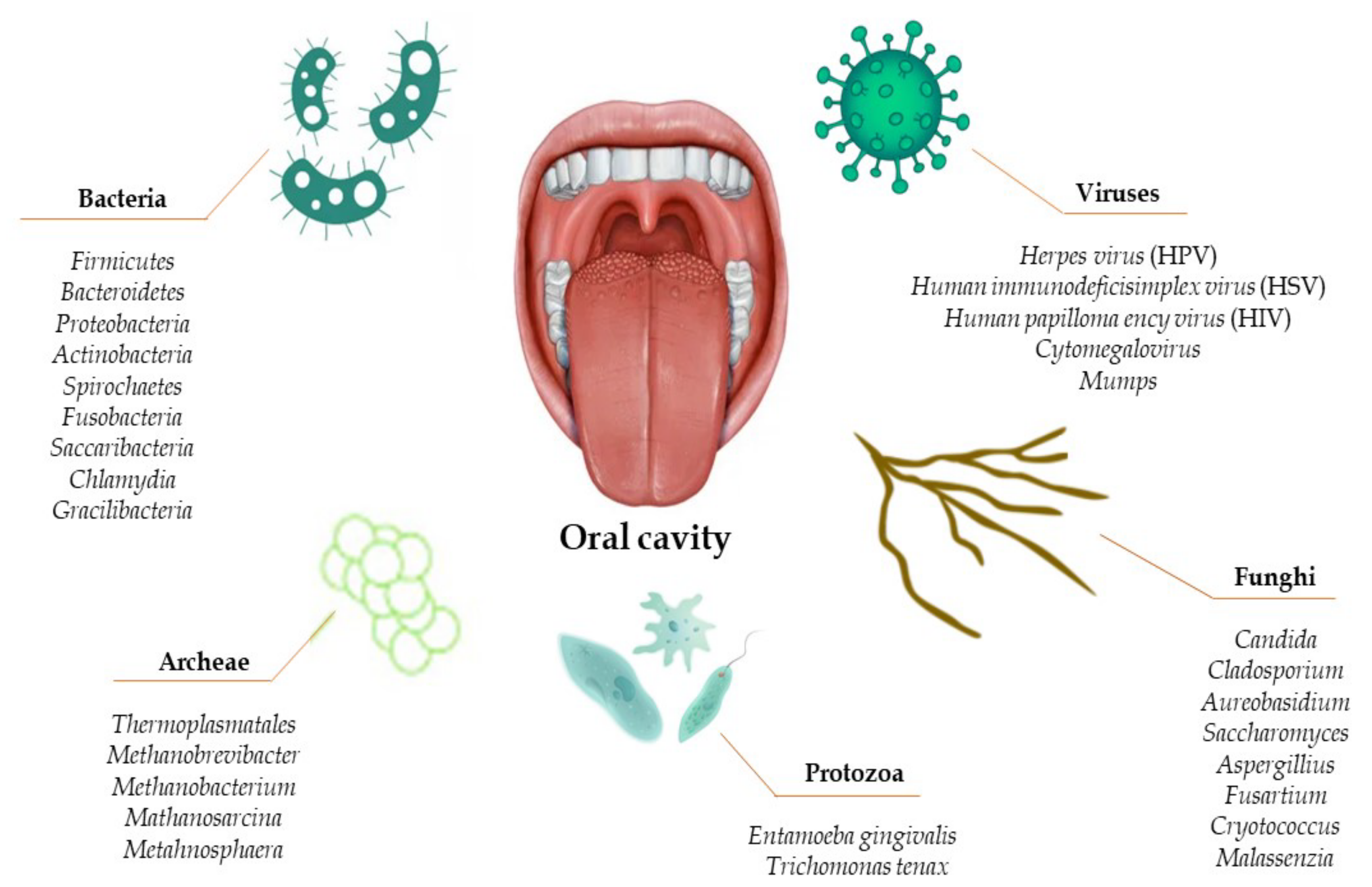
Think of your mouth as a bustling city. Millions of microorganisms â€" bacteria, fungi, viruses â€" call it home. This complex community, your oral microbiome, plays a massive role in your overall oral health. A balanced microbiome, where beneficial bacteria are plentiful, helps prevent the growth of harmful bacteria that cause bad breath, gum disease, and cavities.

The Good Guys vs. The Bad Guys

The "good guys" in your mouth are the beneficial bacteria. They help maintain a healthy pH level, preventing the overgrowth of harmful bacteria that produce volatile sulfur compounds (VSCs) â€" the primary culprits behind bad breath. These good bacteria also compete with bad bacteria for nutrients and space, naturally keeping their numbers in check.

On the other hand, the "bad guys" are the harmful bacteria. These guys thrive in an unbalanced environment and produce those smelly VSCs. They also contribute to gum disease (gingivitis and periodontitis) and tooth decay.

How Probiotics Tip the Scales in Your Favor

Probiotics are live microorganisms, primarily bacteria and yeasts, that offer health benefits when consumed. Think of them as reinforcements for the good bacteria already living in your mouth. They help restore balance to your oral microbiome, effectively combating the bad breath-causing bacteria.

Mechanisms of Action: How Probiotics Work Their Magic

Probiotics work in several ways to improve your oral health and breath:

  • Competitive Exclusion: Probiotics compete with harmful bacteria for nutrients and space, limiting their growth and preventing them from producing VSCs.
  • Production of Antimicrobial Substances: Some probiotics produce substances that directly inhibit the growth of harmful bacteria, effectively reducing their numbers.
  • pH Modulation: Probiotics can help maintain a healthy pH level in your mouth, creating an environment less hospitable to bad breath-causing bacteria. An acidic environment fosters the growth of harmful bacteria, while a slightly alkaline environment is more favorable for the good guys.
  • Strengthening the Immune System: Probiotics can stimulate your immune system, enhancing its ability to fight off infections and inflammation in the mouth.

Beyond Fresh Breath: Other Benefits of Probiotics for Oral Health

The benefits of probiotics extend far beyond just fresh breath. A balanced oral microbiome, thanks to probiotics, can also contribute to:

  • Reduced risk of gum disease: By suppressing harmful bacteria associated with gingivitis and periodontitis, probiotics can help prevent and manage these common oral health problems.
  • Prevention of cavities: Probiotics can help maintain a healthy pH balance and inhibit the growth of cavity-causing bacteria.
  • Improved overall oral health: A healthier oral microbiome contributes to better overall oral health, leading to fewer dental problems and a more comfortable mouth.
  • Reduced inflammation: Probiotics can help reduce inflammation in the gums, further contributing to improved oral health.

Choosing the Right Probiotics for Oral Health

Not all probiotics are created equal. When choosing a probiotic for oral health, look for products containing strains known to be beneficial for the mouth. Some commonly studied strains include Lactobacillus and Streptococcus species. Always check the label for the specific strains and their CFU (colony-forming units) count. A higher CFU count generally indicates a greater number of live bacteria.

You can find probiotics in various forms, including:

  • Probiotic lozenges or tablets: These are designed to deliver probiotics directly to the mouth.
  • Probiotic mouthwashes: Some mouthwashes now contain probiotics to help balance the oral microbiome.
  • Probiotic supplements: While not directly targeting the mouth, some systemic probiotic supplements can influence the oral microbiome.

It's always a good idea to talk to your dentist or doctor before starting any new probiotic regimen, especially if you have underlying health conditions.
Maintaining a Healthy Oral Microbiome: Beyond Probiotics

Probiotics are a powerful tool, but they're not a magic bullet. Maintaining a healthy oral microbiome requires a holistic approach. This includes:

  • Brushing and flossing regularly: This is fundamental to removing food particles and plaque, creating a less hospitable environment for harmful bacteria.
  • Healthy diet: A balanced diet rich in fruits, vegetables, and whole grains provides the nutrients your body needs to support a healthy immune system and oral microbiome.
  • Regular dental checkups: Regular visits to your dentist are essential for professional cleaning and early detection of any oral health issues.
  • Limiting sugar intake: Sugar feeds harmful bacteria, promoting their growth and increasing the risk of cavities.
  • Staying hydrated: Drinking plenty of water helps wash away food particles and keeps your mouth moist, making it less hospitable to bad breath-causing bacteria.

Frequently Asked Questions (FAQs)

Q: How long does it take to see results from using oral probiotics?

A: It can vary from person to person, but you might start noticing improvements in your breath within a few weeks of consistent use. Remember, it's about building a healthy microbiome, which takes time.

Q: Are there any side effects associated with oral probiotics?

A: Generally, oral probiotics are well-tolerated. However, some people may experience mild side effects such as bloating or gas, especially when first starting a probiotic regimen. These side effects are usually temporary.

Q: Can I use oral probiotics along with my regular oral hygiene routine?

A: Absolutely! Probiotics work best in conjunction with good oral hygiene practices like brushing, flossing, and regular dental checkups.

Q: Are all probiotic products created equal?

A: No. Look for products that specify the strains of probiotics they contain and their CFU count. High-quality products will also be stored properly to ensure the viability of the live bacteria.

Q: What if I don't see any improvement in my breath after using probiotics?

A: If you haven't seen any improvement after a few weeks, it's a good idea to consult with your dentist or doctor. There could be other underlying causes for your bad breath that need to be addressed.

By incorporating probiotics into your oral care routine, along with good oral hygiene practices, you can significantly improve your oral health and enjoy the confidence of fresh, clean breath. Remember, a happy mouth is a healthy mouth!

How to Heal Gum Infection with Salt and Aloe Vera

How to Heal Gum Infection with Salt and Aloe Vera

Tackling That Gum Infection: A Natural Approach with Salt and Aloe Vera

Hey everyone! So, you've got a gum infection, huh? That's no fun. Sore, swollen gums, maybe some bleeding â€" it's a real pain. Before we dive in, let me be clear: I'm not a doctor. This isn't medical advice, just some information on a natural approach that some people find helpful. Always, always, always check with your dentist or doctor first before trying any new treatment, especially if your infection is severe. Okay, with that disclaimer out of the way, let's talk about using salt and aloe vera to potentially soothe those irritated gums.

Understanding Gum Infections (Gingivitis and Periodontitis)

First, it's helpful to understand what's going on. A gum infection, generally speaking, falls into two categories: gingivitis and periodontitis. Gingivitis is the milder form â€" it's inflammation of the gums, often caused by plaque buildup. Think redness, swelling, maybe some bleeding when you brush. It's usually reversible with good oral hygiene. Periodontitis, on the other hand, is much more serious. It's an infection that affects the tissues and bone supporting your teeth. If left untreated, it can lead to tooth loss. If you suspect you have periodontitis, see a dentist ASAP.

The Power of Saltwater Rinses

Saltwater rinses are a time-tested remedy for various mouth ailments, including gum infections. The salt's magic lies in its ability to draw out fluids, reducing swelling and inflammation. It also creates a slightly hypertonic environment, which can help kill some bacteria. Think of it as a natural, gentle antiseptic.

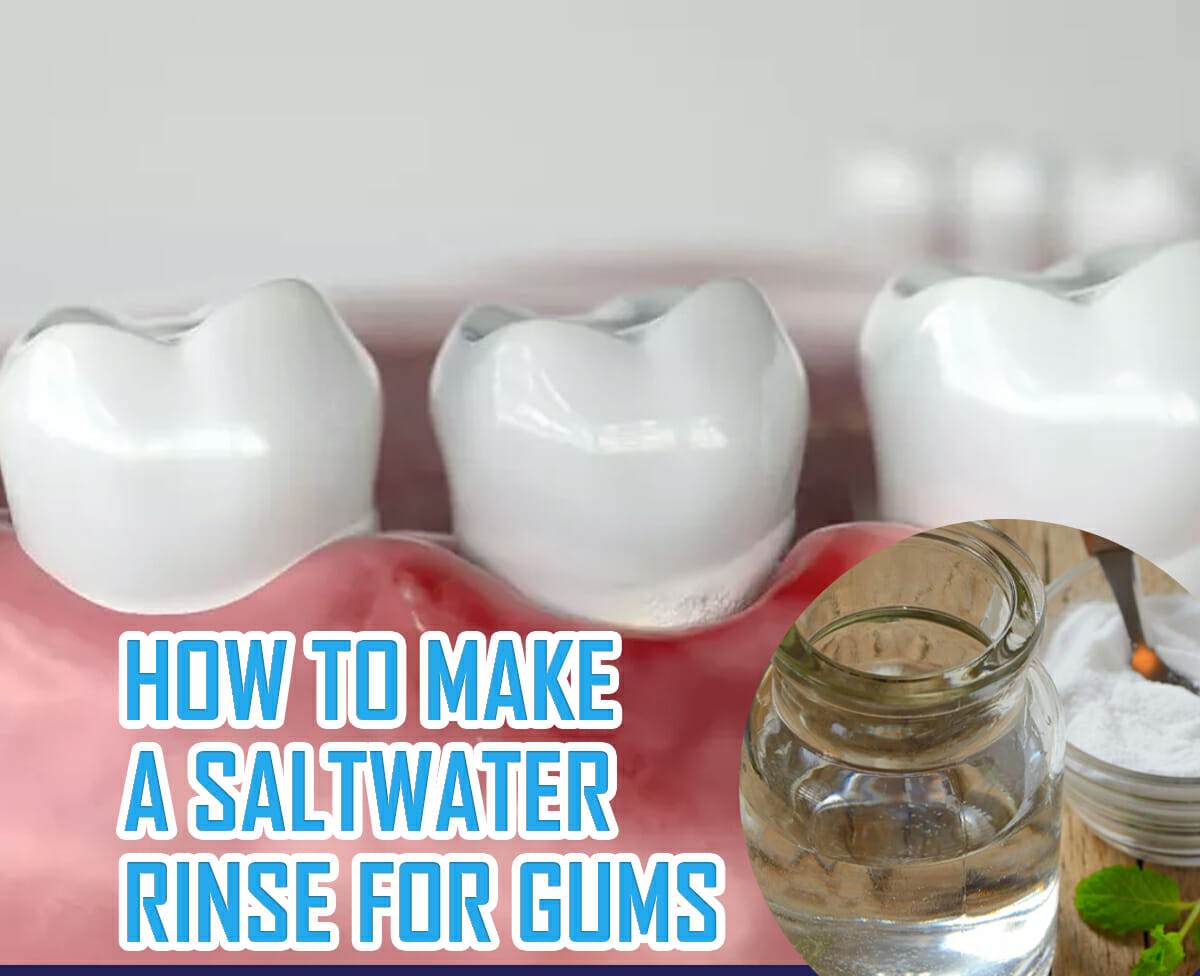
How to Make a Saltwater Rinse:

It's incredibly simple! Just dissolve about ½ to ¾ teaspoon of non-iodized salt in 8 ounces of warm (not hot!) water. Swish this mixture around your mouth for about 30-60 seconds, making sure to reach all areas of your gums. Spit it out and rinse with plain water afterward. You can do this several times a day, especially after meals.

Important Considerations for Saltwater Rinses:

* Don't swallow the saltwater! It's not meant for internal consumption. * Use non-iodized salt. Iodized salt can sometimes irritate sensitive gums. * Don't overdo it. While several rinses a day are fine, excessive rinsing can dry out your mouth. * Be gentle. Avoid aggressive swishing, as this could further irritate your gums.

The Soothing Properties of Aloe Vera

Aloe vera is a well-known medicinal plant, prized for its anti-inflammatory and antibacterial properties. Its gel, extracted from the leaves, can provide soothing relief for irritated gums. It contains compounds that may help reduce swelling and promote healing.

Applying Aloe Vera to Your Gums:

You can either buy pure aloe vera gel (make sure it's 100% aloe vera and doesn't contain alcohol or other additives) or use the gel directly from an aloe vera plant. Gently apply a small amount of the gel to the affected areas of your gums. Massage it in gently with a clean finger. You can do this a couple of times a day.

Precautions with Aloe Vera:

* Test for allergies. Before applying aloe vera to your gums, test a small amount on your skin to check for any allergic reactions. * Use pure aloe vera gel. Avoid products with added ingredients, as these could irritate your gums further. * Don't swallow the gel. While aloe vera is generally safe, ingesting large amounts can have side effects.

Combining Saltwater and Aloe Vera

Some people find that combining saltwater rinses with aloe vera gel application provides synergistic benefits. You could do a saltwater rinse, followed by applying aloe vera gel to your gums. This approach allows you to leverage the antiseptic and anti-inflammatory properties of both remedies. Remember to keep everything clean and use gentle techniques.

Beyond Salt and Aloe Vera: Essential Supporting Steps

While saltwater rinses and aloe vera can help soothe your gums, they're not a complete solution for a gum infection. These natural remedies should be part of a broader oral hygiene strategy that includes:
  • Gentle brushing: Use a soft-bristled toothbrush and brush gently, twice a day.
  • Flossing: Flossing helps remove plaque from between your teeth, where your toothbrush can't reach.
  • Healthy diet: A balanced diet supports overall health, including your oral health.
  • Regular dental checkups: Regular visits to your dentist are essential for preventing and managing gum disease.
  • Quit smoking: Smoking significantly increases your risk of gum disease.

When to See a Dentist

This is crucial: If your gum infection doesn't improve within a few days, or if it worsens (increased pain, swelling, bleeding, fever), see your dentist immediately. They can properly diagnose the issue and provide appropriate treatment. Don't delay seeking professional help, especially if you notice signs of periodontitis, such as receding gums or persistent bad breath.

Frequently Asked Questions (FAQs)

Q: How long does it take for salt and aloe vera to heal a gum infection?

A: There's no set timeframe. It depends on the severity of the infection and your individual response. Some people see improvement within a few days, while others may need longer. If you don't see improvement within a few days, consult a dentist.

Q: Can I use iodized salt instead of non-iodized salt?

A: It's best to use non-iodized salt, as iodized salt can sometimes irritate sensitive gums.

Q: Is it okay to use aloe vera gel from a store-bought plant?

A: Yes, but make sure it's 100% pure aloe vera gel without any added ingredients that could irritate your gums.

Q: Can I swallow the saltwater or aloe vera gel?

A: No, neither should be swallowed. The saltwater is not meant for ingestion, and while aloe vera is generally safe, large amounts can have side effects.

Q: Are there any side effects to using salt and aloe vera for gum infections?

A: Generally, both are considered safe when used as described. However, some people may experience mild irritation or allergic reactions. If you experience any discomfort, discontinue use and consult your dentist.

Remember, this information is for educational purposes only and should not be considered medical advice. Always consult with a dental professional for proper diagnosis and treatment of gum infections. Take care of those pearly whites (and gums!)

Using Xylitol and Probiotics to Prevent Tooth Decay and Gum Problems

Using Xylitol and Probiotics to Prevent Tooth Decay and Gum Problems

Harnessing Nature's Power: Xylitol and Probiotics for Optimal Oral Health

Maintaining a healthy smile often involves a complex interplay of factors. While brushing and flossing form the cornerstone of good oral hygiene, exploring innovative, natural approaches can significantly bolster your efforts. This article delves into the promising potential of two natural allies in the fight against tooth decay and gum disease: xylitol and probiotics. We will explore their individual mechanisms of action and the synergistic benefits of combining them for comprehensive oral care.

Understanding Xylitol's Role in Preventing Tooth Decay

Xylitol, a natural sugar alcohol found in many fruits and vegetables, acts as a powerful weapon against the bacteria responsible for cavities. Unlike sucrose (table sugar), xylitol prevents Streptococcus mutans, the primary cavity-causing bacteria, from adhering to tooth enamel. This crucial step disrupts the bacteria's ability to metabolize sugars into acids, the substances that erode tooth enamel and lead to cavities. Studies have shown that regular xylitol consumption, in the form of chewing gum or lozenges, effectively reduces the population of S. mutans in the mouth, leading to a significant decrease in cavity formation.

How Xylitol Works:

Xylitol's effectiveness stems from its unique molecular structure. Bacteria readily uptake xylitol, but they lack the enzymes to fully metabolize it. This metabolic impasse prevents acid production, effectively starving the bacteria and hindering their ability to cause decay. Furthermore, xylitol stimulates saliva production, which acts as a natural cleanser, washing away food particles and neutralizing acids.

The Probiotic Advantage: Restoring Oral Microbiome Balance

Our mouths are teeming with a diverse community of microorganisms â€" the oral microbiome. A healthy balance within this microbiome is essential for oral health. Probiotics, beneficial bacteria, can help tip the scales in our favor by outcompeting harmful bacteria, such as S. mutans, for resources and space. Specific probiotic strains, like Lactobacillus reuteri and Lactobacillus rhamnosus, have demonstrated promising results in reducing plaque formation, gingivitis, and even halitosis.

Probiotics for Gum Health:

Gum disease, or periodontitis, is a serious infection that can lead to tooth loss if left untreated. Probiotics offer a potential non-invasive approach to managing gum disease by reducing inflammation and improving the overall health of the gums. By strengthening the defenses of the oral microbiome, probiotics assist in restoring a healthy balance and reducing the risk of periodontal infections.

Synergistic Effects: The Power of Combining Xylitol and Probiotics

The combined use of xylitol and probiotics offers a powerful, multifaceted approach to oral health. Xylitol directly targets cavity-causing bacteria, while probiotics contribute to a healthier oral microbiome that is less susceptible to infection. This synergistic effect enhances the individual benefits of each component, leading to more significant improvements in both tooth decay and gum health. Consider this a holistic approach that strengthens the body's natural defenses.

Practical Implementation:

Integrating xylitol and probiotics into your oral care routine is relatively straightforward. Choose xylitol-containing chewing gum or mints and incorporate probiotic supplements specifically formulated for oral health. Remember to consult with your dentist or healthcare provider before making significant changes to your diet or supplement regimen, especially if you have pre-existing health conditions.

Important Note: While xylitol and probiotics offer promising benefits, they should not replace regular brushing, flossing, and dental check-ups. These remain crucial components of a comprehensive oral hygiene plan.

How to Fix Bad Breath Quickly with Simple and Natural Solutions

How to Fix Bad Breath Quickly with Simple and Natural Solutions

Addressing Halitosis: A Comprehensive Guide to Rapid and Natural Remedies

Halitosis, commonly known as bad breath, is a prevalent issue affecting individuals of all ages. While often perceived as a minor inconvenience, persistent bad breath can significantly impact social interactions and self-confidence. Fortunately, numerous simple and natural solutions exist to effectively address this problem. This comprehensive guide explores various approaches to combating halitosis, emphasizing rapid relief and sustainable strategies for long-term oral hygiene.

Understanding the Etiology of Bad Breath

Before delving into remedies, it is crucial to understand the underlying causes of halitosis. While often associated with poor oral hygiene, the origins can be multifaceted. A thorough understanding of these factors is essential for selecting the most effective treatment strategy.

Oral Hygiene Deficiencies

The most common culprit is inadequate oral hygiene. Food particles trapped between teeth and on the tongue decompose, producing volatile sulfur compounds (VSCs) â€" the primary contributors to bad breath. Bacteria thrive in this environment, further exacerbating the problem. Consistent and thorough brushing and flossing are fundamental in preventing this bacterial buildup.

Gum Disease (Periodontal Disease)

Periodontal disease, an infection of the gums, is a significant contributor to chronic halitosis. Infected gums harbor bacteria that release VSCs, leading to persistent bad breath. Treatment of gum disease requires professional intervention from a dentist or periodontist.

Dry Mouth (Xerostomia)

Saliva plays a vital role in cleansing the mouth and neutralizing acids produced by bacteria. Dry mouth, resulting from dehydration, certain medications, or medical conditions, reduces saliva production, allowing bacteria to proliferate and cause bad breath. Addressing underlying medical conditions and increasing fluid intake are crucial steps in managing dry mouth.

Dietary Factors

Certain foods, particularly those rich in sulfur-containing compounds such as garlic, onions, and some dairy products, can temporarily contribute to bad breath. While these odors are often transient, they can be noticeable. Careful food choices can minimize this effect.

Medical Conditions

Certain medical conditions, such as diabetes, kidney disease, and liver disease, can manifest as halitosis. Bad breath resulting from underlying medical conditions requires professional medical attention.

Smoking and Tobacco Use

Smoking and tobacco use significantly contribute to halitosis. The chemicals in tobacco products not only cause persistent bad breath but also damage oral tissues, increasing the risk of gum disease and other oral health problems. Quitting smoking is crucial for improving oral health and eliminating tobacco-related halitosis.

Rapid and Natural Remedies for Bad Breath

The following remedies provide quick relief and address the underlying causes of bad breath through natural methods. It is important to note that these remedies are most effective when combined with consistent, thorough oral hygiene practices.

Thorough Brushing and Flossing

This fundamental practice removes food particles and plaque, preventing bacterial growth. Brush thoroughly twice daily for at least two minutes, using fluoride toothpaste. Floss daily to remove food particles and plaque from between teeth. Consider using an antimicrobial mouthwash to further reduce bacteria.

Tongue Scraping

The tongue harbors a significant number of bacteria. Using a tongue scraper removes bacteria and debris from the tongue's surface, contributing to fresher breath. Gentle scraping from back to front is recommended.

Hydration

Drinking plenty of water helps stimulate saliva production, washing away food particles and neutralizing acids in the mouth. Aim for at least eight glasses of water per day.

Chewing Sugar-Free Gum

Sugar-free gum stimulates saliva production, helping to cleanse the mouth and neutralize acids. Look for xylitol-containing gum, as xylitol has been shown to reduce bacterial growth.

Herbal Remedies

Certain herbs possess antimicrobial properties and can contribute to fresher breath. These include:

  • Clove: Contains eugenol, a natural antiseptic.
  • Cinnamon: Possesses antimicrobial and antifungal properties.
  • Mint: Refreshes breath and has mild antimicrobial properties.

These herbs can be consumed as teas, incorporated into recipes, or used as essential oils (diluted appropriately).

Increase Consumption of Fruits and Vegetables

Fruits and vegetables, particularly those with high water content, contribute to increased saliva production. They also help clean the teeth and gums naturally. Crisp fruits and vegetables can act as natural toothbrushes.

When to Seek Professional Help

While many cases of bad breath can be managed with simple home remedies, persistent or severe halitosis warrants professional evaluation. Consult a dentist or physician if bad breath persists despite consistent good oral hygiene practices or if it is accompanied by other symptoms such as bleeding gums, persistent sore throat, or unexplained weight loss. A professional can accurately diagnose the underlying cause and recommend appropriate treatment, which may include periodontal treatment, medical management of underlying conditions, or other specialized interventions.

Maintaining Long-Term Fresh Breath

Maintaining fresh breath is a continuous process that requires consistent effort and adherence to good oral hygiene practices. Regular dental checkups and professional cleanings are crucial for preventing gum disease and addressing any potential oral health issues. By incorporating the natural remedies described above into a comprehensive oral hygiene routine, individuals can effectively manage halitosis and enjoy lasting fresh breath. Remember that consistency is key to achieving and maintaining long-term success.

How Oral Probiotics Support Gum Health and Prevent Tartar Formation

How Oral Probiotics Support Gum Health and Prevent Tartar Formation

Unlocking a Healthier Smile: How Oral Probiotics Support Gum Health and Prevent Tartar Formation

Maintaining optimal oral hygiene is crucial for a radiant smile and overall well-being. While brushing and flossing form the cornerstone of a good oral care routine, emerging research highlights the significant role of oral probiotics in bolstering gum health and combating tartar buildup. These beneficial bacteria, delivered through various oral probiotic products, offer a natural and effective approach to improving oral health. Let's delve into the science behind these tiny but mighty allies in your fight for a healthier mouth.

The Oral Microbiome: A Delicate Balance

Your mouth teems with a diverse community of microorganisms, collectively known as the oral microbiome. This intricate ecosystem comprises both beneficial and harmful bacteria. A healthy balance is essential. When harmful bacteria gain the upper hand, it can lead to a cascade of oral health problems, including gingivitis (gum inflammation), periodontitis (gum disease), and ultimately, tooth loss. Oral probiotics work by strategically tipping the scales back in favor of the beneficial bacteria, thereby enhancing oral health.

How Oral Probiotics Combat Gum Disease

Oral probiotics achieve this balance in several ways. Firstly, they compete with harmful bacteria for space and nutrients, thus limiting the harmful bacteria's ability to colonize and thrive. Secondly, many oral probiotic strains produce substances that directly inhibit the growth of periodontal pathogens, the bacteria chiefly responsible for gum disease. These substances can include bacteriocins, which are proteins that kill other bacteria, and organic acids that lower the pH, creating an unfavorable environment for harmful bacteria to multiply.

Strengthening the Gum Barrier

Beyond directly targeting harmful bacteria, oral probiotics indirectly support gum health by strengthening the gum tissue itself. They accomplish this by stimulating the production of antimicrobial peptides, which are molecules naturally produced by the body to fight infection. A stronger gum barrier means increased resistance to periodontal pathogens and reduced inflammation.

The Role of Oral Probiotics in Tartar Prevention

Tartar, also known as dental calculus, is a hardened deposit of plaque that accumulates on teeth. Plaque, a sticky film of bacteria, is the precursor to tartar formation. Oral probiotics help to prevent tartar formation by reducing plaque accumulation. By suppressing the growth of plaque-forming bacteria, probiotics minimize the substrate for tartar development. This contributes to cleaner teeth and gums, reducing the need for more aggressive professional cleaning.

Improving Oral Hygiene Practices

It’s crucial to remember that oral probiotics are a valuable addition to, not a replacement for, standard oral hygiene practices. Maintaining a diligent brushing and flossing routine remains fundamental for optimal oral health. Oral probiotics work best in conjunction with these habits, significantly enhancing their effectiveness. Consider oral probiotics as a powerful complement, boosting your existing efforts to safeguard your gums and teeth.

Choosing the Right Oral Probiotic

The effectiveness of oral probiotics varies depending on the specific strains used. When selecting an oral probiotic product, look for those containing well-researched strains known for their beneficial effects on oral health. Some commonly used strains include Lactobacillus reuteri and Streptococcus salivarius. Always consult with your dentist or healthcare provider before starting any new oral probiotic regimen, especially if you have underlying health conditions.

In conclusion, integrating oral probiotics into your oral care routine offers a promising path towards a healthier mouth. By bolstering beneficial bacteria and suppressing harmful ones, they directly contribute to improved gum health and help prevent tartar formation. While they're not a miracle cure, oral probiotics represent a significant advancement in natural, preventative oral care.