


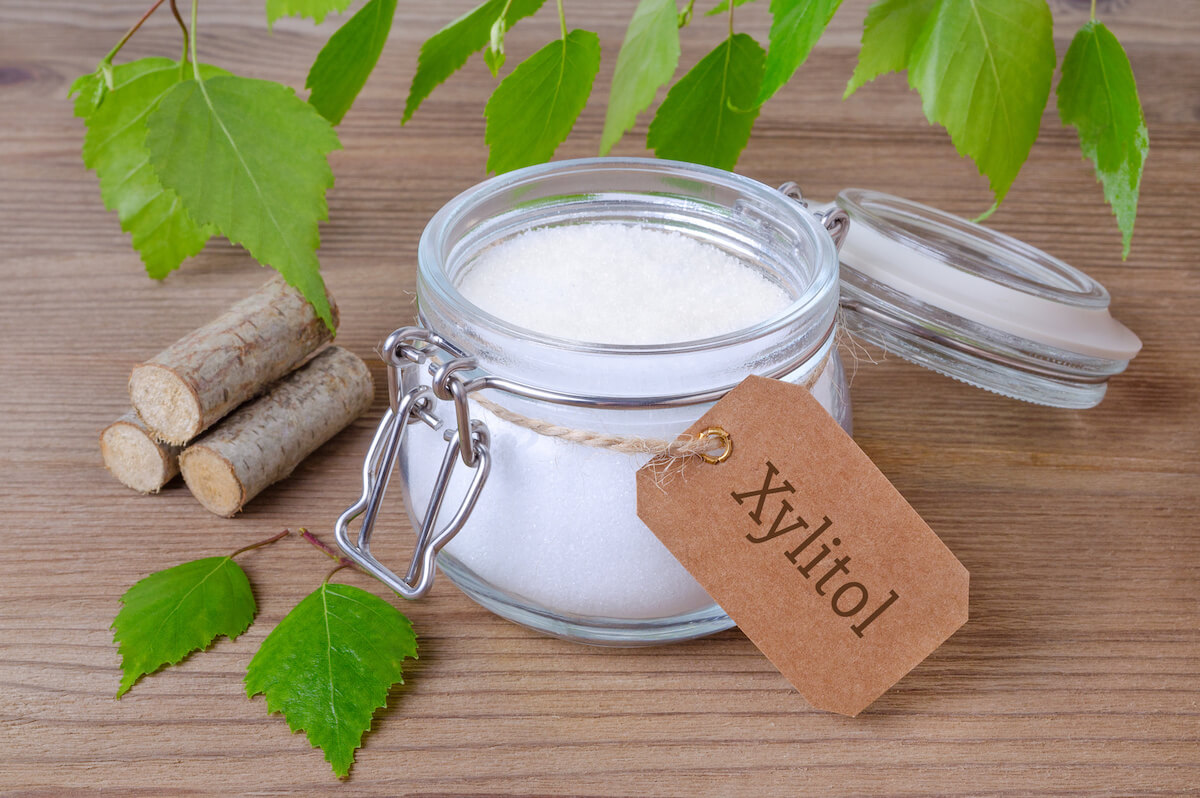
The Amazing Benefits of Xylitol for Your Teeth and Smile
For years, we've battled cavities and gum disease with fluoride and diligent brushing. But what if a naturally occurring sugar alcohol could significantly bolster our oral hygiene routine? Enter xylitol, a sweet-tasting substance extracted from various plants, that's gaining significant traction for its remarkable dental benefits. This article delves into the science behind xylitol's effectiveness, revealing how this naturally derived compound can revolutionize your approach to oral care and contribute to a healthier, brighter smile.
How Xylitol Fights Cavities
The primary weapon in xylitol's arsenal against cavities is its unique interaction with Streptococcus mutans, the bacteria primarily responsible for tooth decay. Unlike sucrose (table sugar), xylitol doesn't provide the bacteria with the fuel they need to thrive. Instead, it actively inhibits their growth. The bacteria attempt to metabolize xylitol, but this process is inefficient and actually harms their ability to produce acid. This reduced acid production means less erosion of tooth enamel, the protective outer layer of your teeth, leading to a significant reduction in cavities. Think of it as a strategic sabotage of the bacteria's metabolic pathways!
Xylitol's Multi-pronged Approach
Xylitol's impact extends beyond simply starving cavity-causing bacteria. Research demonstrates its ability to:
- Reduce bacterial adhesion: Xylitol interferes with the ability of Streptococcus mutans to stick to the tooth surface, preventing the formation of plaque.
- Increase saliva production: Saliva is your mouth's natural cleaning agent, neutralizing acids and washing away debris. Xylitol stimulates saliva production, further enhancing its protective effects.
- Alter bacterial metabolism: The ineffective metabolism of xylitol by bacteria weakens their overall viability and reduces their harmful effects.
Beyond Cavities: Xylitol's Impact on Gum Health
The benefits of xylitol don't stop at cavity prevention. Studies suggest it can also positively influence gum health. By reducing the number of cavity-causing bacteria, xylitol indirectly minimizes inflammation and infection of the gums. This can lead to a significant improvement in the overall health of your gums, reducing the risk of gingivitis and periodontitis.
Protecting Against Gum Disease
The reduction in harmful bacteria contributes to a healthier gingival environment. This means less inflammation, bleeding gums, and the potential for more serious gum disease, ultimately preserving your teeth for longer. A healthy gum line is crucial for maintaining a beautiful and functional smile.
Incorporating Xylitol into Your Oral Care Routine
Integrating xylitol into your daily routine is surprisingly easy. You can find xylitol-sweetened chewing gums, mints, and even toothpastes. The key is consistent use. Chewing xylitol gum after meals, for example, can help neutralize acids and prevent bacterial growth. However, remember that moderation is crucial, as excessive consumption might lead to gastrointestinal discomfort. Always consult with your dentist or healthcare provider before making significant changes to your diet or oral hygiene routine.
In conclusion, xylitol offers a powerful and natural ally in the fight for a healthy and radiant smile. Its multi-faceted approach to oral hygiene, targeting both cavity-causing bacteria and gum health, makes it a valuable addition to any oral care regimen. By understanding and utilizing xylitol's remarkable properties, you can actively participate in safeguarding your teeth and gums for years to come.

0 comments:
Post a Comment
Note: Only a member of this blog may post a comment.