


The Science Behind the Oral Microbiome and Gum Inflammation
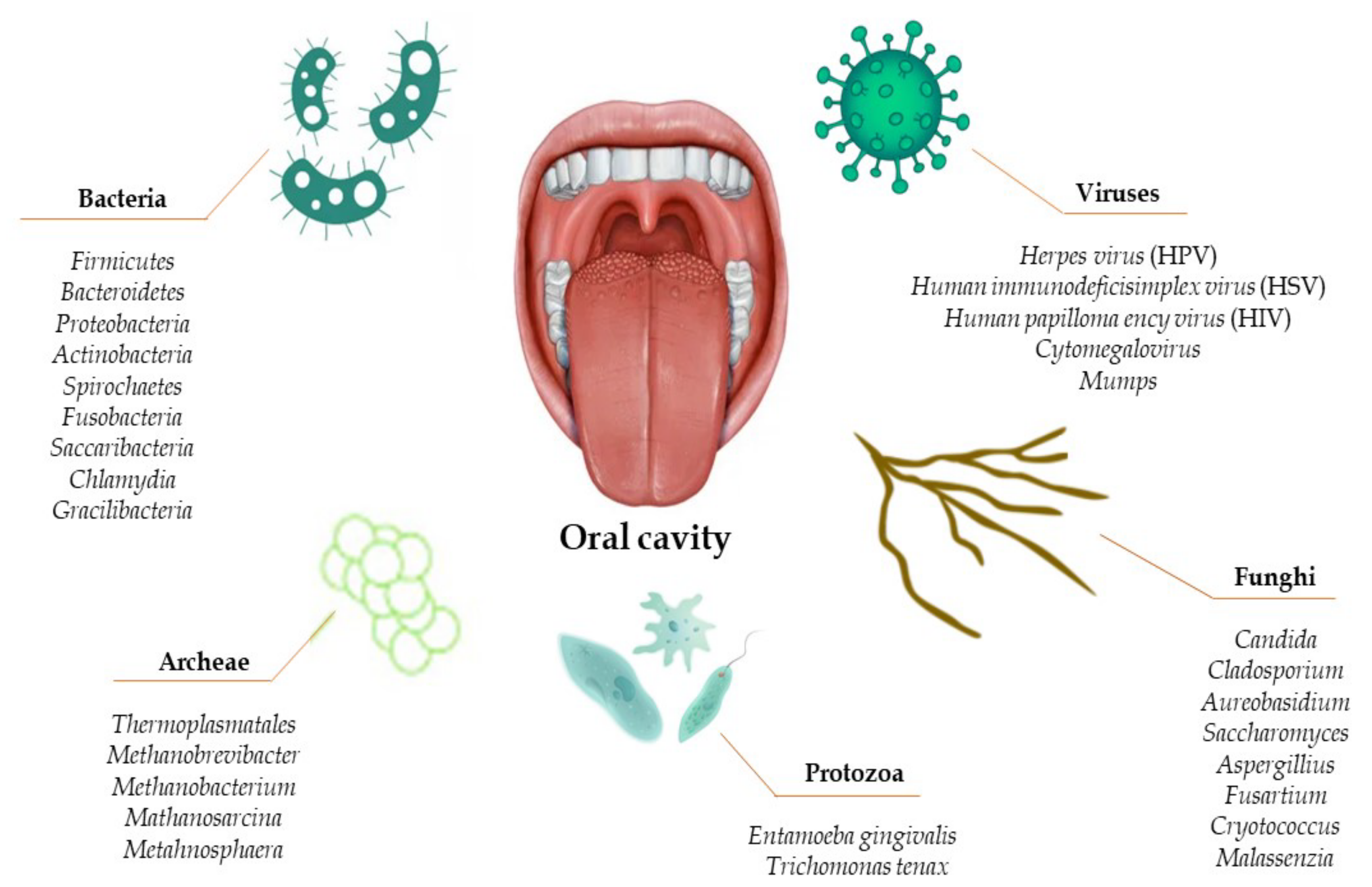
Okay, let's talk about your mouth â€" specifically, the tiny ecosystem living inside it and how it can impact your gum health. It might sound a bit weird, but your mouth is teeming with life! We're not just talking about the food particles lingering after a meal, but a whole community of bacteria, fungi, viruses, and even archaea â€" all collectively known as the oral microbiome.
This isn't just some random collection of microbes either. It's a complex and dynamic community, constantly interacting with each other and with your body. And believe it or not, a healthy, balanced oral microbiome is crucial for healthy gums.
Understanding the Oral Microbiome
Think of your mouth like a miniature rainforest. Different areas, like your tongue, cheeks, and gums, have unique environments that support different types of microbes. Some are good guys, helping to break down food and even protecting against harmful bacteria. Others… well, not so much. These "bad guys" can contribute to a variety of oral health problems, and gum disease (gingivitis and periodontitis) is a prime example.
The Good, the Bad, and the Ugly
The "good" bacteria in your mouth help maintain a balanced ecosystem. They compete with the harmful bacteria for resources and space, preventing the bad guys from taking over. They also contribute to overall oral health by producing substances that protect against harmful invaders.
On the other hand, the "bad" bacteria are the troublemakers. Species like Porphyromonas gingivalis, Tannerella forsythia, and Aggregatibacter actinomycetemcomitans are strongly linked to gum disease. These bacteria produce toxins and enzymes that damage the gums and the supporting tissues of your teeth.
And then there are those opportunistic bacteria. These guys usually don't cause problems in a healthy mouth, but when the balance is disrupted (e.g., through poor oral hygiene or a weakened immune system), they can contribute to the development of inflammation.
How the Microbiome Leads to Gum Inflammation
So, how do these bacteria cause gum inflammation (gingivitis)? It's a bit of a chain reaction:
- Plaque Accumulation: Bacteria in your mouth constantly produce a sticky film called plaque. Plaque is a biofilm â€" a complex community of bacteria embedded in a self-produced matrix. If not removed regularly, it builds up on your teeth and gums.
- Bacterial Toxins: The bacteria within plaque produce various toxins (lipopolysaccharides, proteases, etc.) that irritate the gums. This triggers an inflammatory response.
- Immune System Response: Your immune system kicks into high gear, sending immune cells to fight the invading bacteria. This inflammatory response is what causes the redness, swelling, and bleeding gums associated with gingivitis. The body's attempt to fight the infection causes the inflammation, and if left unchecked, can lead to more serious gum disease.
- Tissue Damage: If the inflammation continues unchecked, it can lead to damage of the gum tissue, the supporting bone, and even tooth loss in advanced cases (periodontitis).
Factors Influencing the Oral Microbiome
Several factors can influence the balance of your oral microbiome and increase your risk of gum inflammation:
- Poor Oral Hygiene: This is the biggest culprit. Failing to brush and floss regularly allows plaque to accumulate, providing a breeding ground for harmful bacteria.
- Smoking: Smoking significantly alters the composition of the oral microbiome, increasing the abundance of harmful bacteria and impairing the immune system's ability to fight infection. It also reduces blood flow to the gums, hindering healing.
- Diet: A diet high in sugar and processed foods provides fuel for harmful bacteria, promoting their growth and contributing to plaque formation.
- Genetics: Genetic factors can influence your susceptibility to gum disease. Some people are simply more prone to developing an imbalance in their oral microbiome.
- Systemic Diseases: Certain systemic diseases, such as diabetes, can weaken the immune system and increase the risk of gum inflammation.
- Medications: Some medications, such as those that reduce saliva production (xerostomia), can create a drier environment in the mouth which can affect the balance of the oral microbiome.
Maintaining a Healthy Oral Microbiome
Maintaining a healthy oral microbiome is essential for preventing gum inflammation. Here's how:
- Brush and Floss Regularly: This is the cornerstone of good oral hygiene. Brush twice a day with fluoride toothpaste and floss at least once a day.
- Eat a Healthy Diet: Choose a diet rich in fruits, vegetables, and whole grains, and limit your intake of sugary and processed foods.
- Quit Smoking: If you smoke, quitting is one of the best things you can do for your overall health, including your oral health.
- Regular Dental Checkups: Visit your dentist for regular checkups and cleanings. Professional cleanings remove plaque and tartar that you can't remove at home.
- Manage Systemic Diseases: If you have a systemic disease like diabetes, work with your doctor to manage your condition effectively.
Commonly Asked Questions
Q: Can you get gum disease even with good oral hygiene?
A: While good oral hygiene significantly reduces your risk, genetics and other factors can still play a role. Even with meticulous care, some individuals may be more susceptible to gum disease.
Q: Is gingivitis reversible?
A: Yes, in most cases, gingivitis is reversible with improved oral hygiene and professional cleaning. However, if left untreated, it can progress to periodontitis, which is much more difficult to reverse.
Q: What are the signs of gum disease?
A: Common signs include red, swollen, and bleeding gums; bad breath; gums that recede from the teeth; and loose teeth.
Q: Are there any tests to check the oral microbiome?
A: Yes, there are advanced tests that analyze the bacteria in your mouth. However, these tests aren't routinely used for diagnosing gum disease. Your dentist can make a diagnosis based on a clinical examination.
Q: Can antibiotics help with gum disease?
A: In some cases, antibiotics may be prescribed to help manage severe gum disease, but they are not a cure-all and usually part of a larger treatment plan that includes professional cleaning and improved oral hygiene.
Remember, maintaining good oral hygiene is a lifelong commitment. By understanding the science behind the oral microbiome and taking proactive steps to maintain a healthy balance, you can significantly reduce your risk of gum disease and keep your smile healthy and bright!

0 comments:
Post a Comment
Note: Only a member of this blog may post a comment.