Sunday, February 2, 2025

The Benefits of Xylitol and Probiotics for Healthier Teeth and Gums

The Benefits of Xylitol and Probiotics for Healthier Teeth and Gums

Unlocking the Power Duo: Xylitol and Probiotics for a Sparkling Smile

Hey everyone! Let's talk teeth – specifically, how to keep them healthy and happy. We all know brushing and flossing are essential, but did you know there are some seriously amazing natural allies in the fight against cavities and gum disease? I'm talking about xylitol and probiotics – a dynamic duo that can work wonders for your oral health. Let's dive in!

What is Xylitol and Why is it Good for Your Teeth?

Xylitol is a naturally occurring sugar alcohol found in small amounts in some fruits and vegetables. But the xylitol we use in oral care products is usually made from birch trees or corn cobs. Now, before you get all excited about adding a "sugar" to your diet, let me clarify. While it *tastes* sweet, xylitol acts differently in your body than regular table sugar (sucrose).

Here's the magic: Bacteria in your mouth that cause cavities – the notorious Streptococcus mutans – can't metabolize xylitol. Meaning, they can't use it for energy to produce acid that eats away at your tooth enamel. In fact, xylitol actually inhibits the growth of these bad bacteria! It's like a tiny, sweet roadblock for cavity-causing mischief.

How Xylitol Benefits Your Oral Health:

  • Reduces the number of cavity-causing bacteria: Xylitol starves the bacteria that thrive on sugar, leading to a decrease in their population.
  • Increases saliva production: Saliva is your mouth's natural defense system, washing away food particles and neutralizing acids. Xylitol can stimulate saliva production, giving your mouth an extra layer of protection.
  • Neutralizes acids: While it doesn't directly neutralize acid, the reduced bacterial population means less acid is produced in the first place. This gives your saliva a much easier job.
  • Re-mineralizes teeth: Xylitol can help your teeth absorb minerals like calcium and phosphate, strengthening enamel and repairing minor damage.

So, while xylitol is sweet, it's a far cry from the sugar rush that fuels those nasty cavity bugs. It's a clever trick to outsmart them!

Probiotics: The Good Guys in Your Gut (and Mouth!)

We've all heard about the importance of gut health, and probiotics play a starring role. But did you know that probiotics can also benefit your oral health? Probiotics are live microorganisms, mainly bacteria, that when ingested in adequate amounts, confer a health benefit on the host.

Think of your mouth as a miniature ecosystem. It's home to a complex mix of bacteria, some good and some bad. Probiotics help to tip the scales in favor of the good guys. They compete with the harmful bacteria for resources and space, preventing them from establishing themselves and causing problems.

How Probiotics Support Healthy Teeth and Gums:

  • Fight against harmful bacteria: Probiotics, particularly certain strains like Lactobacillus and Bifidobacterium, can inhibit the growth of cavity-causing bacteria and other pathogens.
  • Reduce inflammation: Gum disease (gingivitis and periodontitis) is characterized by inflammation. Probiotics can help modulate the immune response and reduce inflammation in the gums.
  • Improve gum health: Studies have shown that probiotic supplementation can improve various markers of gum health, such as reducing bleeding gums and plaque accumulation.
  • Strengthen the immune system: A stronger immune system in your mouth better defends against infections and diseases.

While taking probiotic supplements can be beneficial, remember that many probiotics are found in yogurt (particularly those with "live and active cultures"), kefir, and other fermented foods. Incorporating these into your diet can be a delicious way to boost your oral microbiome.

The Synergistic Effect: Xylitol and Probiotics Working Together

The real power lies in the combination of xylitol and probiotics. Think of it as a one-two punch against oral bacteria. Xylitol directly inhibits the bad bacteria, while probiotics bolster the good bacteria, creating a healthier and more balanced oral environment.

When used together, xylitol and probiotics can provide a more comprehensive approach to preventing cavities and gum disease. They work synergistically, creating a stronger defense against oral pathogens.

Imagine this: you're using a xylitol-containing mouthwash or chewing xylitol gum. This directly targets and reduces the cavity-causing bacteria. Then, you're also incorporating probiotic-rich foods into your diet, further reinforcing the balance of your oral microbiome. It's a proactive strategy for long-term oral health.

Incorporating Xylitol and Probiotics into Your Routine

There are many ways to incorporate xylitol and probiotics into your daily routine. Remember to always consult your dentist or doctor before making significant changes to your diet or health regimen.

  • Chew xylitol gum: Look for gum specifically labeled as containing xylitol. Aim for sugar-free options.
  • Use xylitol mouthwash: Many brands now offer xylitol-based mouthwashes.
  • Consume probiotic-rich foods: Incorporate yogurt, kefir, sauerkraut, and other fermented foods into your diet.
  • Consider probiotic supplements: Talk to your doctor or a registered dietitian about whether probiotic supplements are right for you and which strains to choose.

Commonly Asked Questions

Q: Is xylitol safe for pets? A: No, xylitol is highly toxic to dogs and some other animals. Keep xylitol-containing products out of reach of your pets.

Q: How much xylitol should I consume daily? A: The recommended daily intake of xylitol varies depending on individual needs and the form it's consumed in. It's best to check with your dentist or doctor for personalized recommendations. Generally, exceeding 50 grams per day may have laxative effects.

Q: Are there any side effects of using xylitol? A: Some people experience mild gastrointestinal side effects like gas or bloating, especially when consuming large amounts. But these effects are generally temporary and mild.

Q: Can I use xylitol and probiotics interchangeably? A: No, they work through different mechanisms and complement each other. Using them together provides a more comprehensive approach to oral health.

Q: How long does it take to see results? A: You might not see immediate dramatic changes, but with consistent use, you should notice improvements in your oral health over time. Regular dental checkups remain crucial for monitoring your progress.

Remember, maintaining good oral hygiene practices – regular brushing, flossing, and dental checkups – remains the cornerstone of healthy teeth and gums. Xylitol and probiotics can be valuable additions to your oral health regimen, but they should not replace good oral hygiene practices.


Oral Health Supplements: A Natural Way to Reduce Gum Inflammation

Oral Health Supplements: A Natural Way to Reduce Gum Inflammation

Oral Health Supplements: A Natural Way to Reduce Gum Inflammation

Gum inflammation, medically termed gingivitis, is a prevalent oral health concern affecting a significant portion of the global population. Characterized by redness, swelling, and bleeding gums, gingivitis, if left untreated, can progress to periodontitis, a more severe form of gum disease leading to tooth loss. While conventional treatments involving professional cleaning and antimicrobial agents are effective, many individuals are exploring complementary approaches, including oral health supplements, to manage and mitigate gum inflammation naturally. This article explores the potential benefits of various natural supplements in reducing gum inflammation, emphasizing the importance of consulting with healthcare professionals before incorporating them into one's oral hygiene regimen.

Understanding Gum Inflammation and its Causes

Gingivitis arises primarily from the accumulation of plaque, a sticky film of bacteria that constantly forms on teeth. When plaque is not effectively removed through regular brushing and flossing, it hardens into tartar (calculus), providing a breeding ground for harmful bacteria. These bacteria produce toxins that irritate the gums, leading to inflammation. Other contributing factors include poor oral hygiene practices, hormonal fluctuations (particularly during pregnancy), certain medical conditions (e.g., diabetes), genetic predisposition, smoking, and stress.

The Role of Oral Microbiome Imbalance

The oral cavity harbors a complex ecosystem of microorganisms, collectively known as the oral microbiome. A balanced microbiome is crucial for maintaining oral health. However, an imbalance, termed dysbiosis, can lead to an overgrowth of pathogenic bacteria, contributing significantly to gum inflammation. Supplements aimed at restoring microbial balance can play a supporting role in reducing inflammation.

Natural Supplements for Gum Inflammation: A Review

Several natural supplements have shown promise in alleviating gum inflammation. However, it's crucial to remember that these supplements are not replacements for professional dental care. They should be considered complementary therapies, used in conjunction with routine oral hygiene practices and under the guidance of a dentist or healthcare professional.

Vitamin C

Vitamin C, a potent antioxidant, plays a critical role in collagen synthesis, a crucial protein for gum tissue health. Collagen provides structural support to the gums, and its deficiency can weaken gum tissues, making them more susceptible to inflammation. Supplementing with vitamin C, especially if deficient, can contribute to healthier gums and improved healing.

Vitamin K2

Vitamin K2 plays a vital role in calcium metabolism. It helps direct calcium to the bones and teeth, preventing its deposition in soft tissues like gums. Excessive calcium buildup in the gums can contribute to inflammation and periodontal disease. Vitamin K2 supplementation may help maintain proper calcium balance, reducing the risk of gum inflammation.

Coenzyme Q10 (CoQ10)

Coenzyme Q10 (CoQ10) is a powerful antioxidant that protects cells from oxidative stress. Oxidative stress contributes to inflammation, and CoQ10's antioxidant properties can help neutralize free radicals, reducing inflammation in the gums. Studies suggest that CoQ10 may improve the effectiveness of periodontal treatment.

Omega-3 Fatty Acids

Omega-3 fatty acids, particularly EPA and DHA, possess potent anti-inflammatory properties. They can reduce the production of inflammatory molecules, mitigating gum inflammation. Foods rich in omega-3s, such as fatty fish, flaxseeds, and chia seeds, can be incorporated into the diet, or omega-3 supplements can be considered under professional guidance.

Probiotics

Probiotics are live microorganisms that, when administered in adequate amounts, confer health benefits. Oral probiotics can help restore a balanced oral microbiome, reducing the overgrowth of harmful bacteria that contribute to gum inflammation. Specific strains of probiotics have demonstrated efficacy in reducing gingivitis symptoms in clinical studies.

Other Potential Supplements

Other supplements that have shown some potential in reducing gum inflammation, although requiring further research, include:

  • Quercetin: A plant-derived flavonoid with anti-inflammatory and antioxidant properties.
  • Resveratrol: Another plant-based compound with anti-inflammatory and antioxidant effects.
  • Lutein: A carotenoid antioxidant that may offer protection against oxidative stress.

Considerations and Cautions

While these natural supplements offer potential benefits, it's crucial to approach their use with caution and awareness:

  • Consult a healthcare professional: Before starting any new supplement regimen, particularly if you have pre-existing medical conditions or are taking other medications, consult your dentist or physician. They can assess your individual needs and determine the appropriate dosage and potential interactions.
  • Quality and dosage: Ensure that you choose high-quality supplements from reputable manufacturers. The recommended dosage varies depending on the supplement and individual needs; adhering to recommended dosages is crucial to avoid adverse effects.
  • Not a replacement for professional care: Oral health supplements should be considered complementary therapies, not replacements for professional dental care. Regular dental checkups, professional cleanings, and proper oral hygiene practices remain essential for maintaining optimal oral health.
  • Potential side effects: While generally safe, some supplements can cause side effects in certain individuals. Be aware of potential side effects and discontinue use if any adverse reactions occur.
  • Interactions with medications: Some supplements can interact with certain medications. It's crucial to inform your healthcare provider about all supplements you are taking to prevent potential drug interactions.

Conclusion

Gum inflammation is a common oral health problem that can significantly impact overall well-being. While professional dental care remains paramount in managing gum inflammation, several natural supplements show promise in supporting gum health and reducing inflammation. However, it's essential to remember that these supplements should be used responsibly, under the guidance of healthcare professionals, and in conjunction with a comprehensive oral hygiene regimen. A holistic approach that combines proper oral hygiene, professional dental care, and carefully selected supplements offers the best chance for managing and preventing gum inflammation and maintaining long-term oral health.

How to Find Purple Carrots Near You and Boost Your Health

How to Find Purple Carrots Near You and Boost Your Health

Unveiling the Violet Vegetable: A Guide to Locating and Leveraging the Health Benefits of Purple Carrots

While the vibrant orange carrot reigns supreme in most supermarkets, a lesser-known, yet equally nutritious, relative quietly awaits discovery: the purple carrot. Distinguished by its striking hue and potent antioxidant profile, the purple carrot offers a compelling alternative for health-conscious individuals seeking to diversify their dietary intake. This comprehensive guide will explore the unique characteristics of purple carrots, provide strategies for locating these elusive vegetables, and detail their impressive health benefits.

Understanding the Distinctive Properties of Purple Carrots

The captivating purple color of these carrots stems from the presence of anthocyanins, a group of potent plant pigments belonging to the flavonoid family. These anthocyanins are not merely responsible for the vibrant coloration; they are also potent antioxidants, actively combating free radicals within the body and potentially mitigating the risk of various chronic diseases. Unlike their orange counterparts, which primarily boast beta-carotene, purple carrots present a richer spectrum of beneficial phytochemicals.

Anthocyanins: The Powerhouse Pigments

Anthocyanins are responsible for the diverse array of colors found in many fruits and vegetables, including blueberries, raspberries, and red cabbage. In purple carrots, these pigments contribute to their vibrant hue and bestow a wealth of health-promoting properties. These compounds have been extensively studied for their potential to:

  • Reduce inflammation: Anthocyanins exhibit anti-inflammatory effects, which may help alleviate symptoms associated with chronic inflammatory conditions.
  • Improve cardiovascular health: Studies suggest that anthocyanins may help lower blood pressure, improve cholesterol levels, and reduce the risk of heart disease.
  • Enhance cognitive function: Some research indicates that anthocyanins may protect against age-related cognitive decline and improve memory.
  • Boost immune function: Anthocyanins contribute to a robust immune response by supporting the body's natural defense mechanisms.
  • Protect against certain cancers: The antioxidant properties of anthocyanins may help protect against cellular damage and potentially reduce the risk of certain cancers.

It is crucial to note that while research is promising, more large-scale human studies are needed to definitively confirm these health benefits. However, the existing evidence strongly suggests that including purple carrots in a balanced diet is a beneficial dietary choice.

Locating Purple Carrots: A Guide to Sourcing this Unique Vegetable

Unlike their ubiquitous orange counterparts, finding purple carrots may require a bit more effort. However, with a strategic approach, locating these nutritional gems is entirely feasible.

Farmers' Markets: The Ideal Hunting Ground

Farmers' markets are often the most reliable source for purple carrots. These markets provide direct access to local farmers who often cultivate a wider variety of produce, including less common varieties like purple carrots. Engaging in conversation with farmers can provide valuable insights into their growing practices and the specific nutritional profile of their crops.

Specialty Grocery Stores and Health Food Stores

Specialty grocery stores and health food stores are another excellent option for locating purple carrots. These establishments often stock a wider range of produce, catering to consumers seeking unique and nutritious food options. Check the produce sections regularly, as availability may vary depending on the season and the store's sourcing practices.

Online Retailers: Expanding Your Search Radius

Online retailers specializing in organic produce and specialty foods can extend your search radius considerably. Many online platforms offer direct-to-consumer options, allowing you to purchase purple carrots from farms across the country or even internationally. However, it's essential to consider shipping costs and potential transit times to ensure the carrots arrive fresh and in optimal condition.

Growing Your Own Purple Carrots: A Rewarding Venture

For those with a green thumb and access to a garden or suitable growing space, cultivating your own purple carrots offers unparalleled control over the quality and origin of your produce. Numerous seed varieties are available online and through garden centers. Ensure you select a variety suitable for your climate and soil conditions.

Maximizing the Health Benefits of Purple Carrots

To fully reap the health-promoting advantages of purple carrots, incorporating them into your diet strategically is crucial.

Preparation and Consumption

Purple carrots can be enjoyed in a multitude of ways. They can be eaten raw, added to salads, roasted as a side dish, juiced, or incorporated into soups and stews. Minimizing cooking time helps preserve the delicate anthocyanins and maximize their nutritional value. Steaming or lightly sautéing are preferred methods of preparation.

Combining with Other Nutrient-Rich Foods

Consuming purple carrots in conjunction with other nutrient-rich foods can enhance their overall impact on your health. Pairing them with sources of healthy fats, such as avocado or olive oil, can improve the absorption of fat-soluble nutrients. Adding them to meals rich in vitamin C, such as citrus fruits, may also enhance the antioxidant capacity of the anthocyanins.

Dietary Considerations

While purple carrots are generally safe for consumption, individuals with specific dietary restrictions or allergies should exercise caution. Always check the label for potential allergens if purchasing pre-packaged products. Consult with a healthcare professional or registered dietitian if you have any concerns regarding the incorporation of purple carrots into your diet, particularly if you have pre-existing health conditions.

Conclusion: Embracing the Vibrant and Nutritious Purple Carrot

The purple carrot, with its striking color and potent antioxidant profile, presents a valuable addition to a health-conscious diet. While finding them may require a bit more effort than locating their orange counterparts, the rewards are well worth the search. By exploring local farmers' markets, specialty stores, online retailers, or even cultivating your own, you can unlock the numerous health benefits of this vibrant vegetable and elevate your dietary intake to new levels of nutritional richness.

Cranberry Juice vs. Sugary Alternatives: What’s Best for Your Teeth?

Cranberry Juice vs. Sugary Alternatives: What's Best for Your Teeth?

Cranberry Juice vs. Sugary Alternatives: What's Best for Your Teeth?

Hey everyone! So, you're trying to make healthier choices, and you're wondering about cranberry juice. Good for you! But with so many options out there – some packed with sugar, others claiming all-natural goodness – it can be tricky to figure out what's actually best for your pearly whites. Let's dive into the world of cranberry juice and see how it stacks up against the sugary competition.

The Sugar Showdown: Why Sugar is Public Enemy Number One for Your Teeth

Before we get into the specifics of cranberry juice, let's talk about the real villain here: sugar. We all know it's not great for our overall health, but its impact on our teeth is particularly nasty. Here's the lowdown:

When you eat or drink something sugary, the bacteria in your mouth go into a feeding frenzy. They feast on the sugar, producing acids as a byproduct. These acids then attack the enamel, the hard outer layer of your teeth. Over time, this acid attack can lead to tooth decay (cavities), gum disease, and even tooth loss. The longer the sugar lingers in your mouth, the more damage it can do. Think sticky candies versus a quickly-swallowed soda – the sticky stuff is worse because it sticks around longer!

Types of Sugars to Watch Out For

It's not just the obvious sugars like granulated sugar that you need to worry about. Many drinks and juices contain hidden sugars, often listed under various names such as:

  • High-fructose corn syrup
  • Sucrose
  • Glucose
  • Dextrose
  • Maltose
  • Fruit juice concentrate (often contains a lot of added sugar)

Always check the nutrition label and ingredient list carefully! Look for drinks with minimal added sugars.

Cranberry Juice: The Contender

Okay, so we've established that sugar is the enemy. But what about cranberry juice? Is it a hero or a villain? The answer, as with most things, is: it depends.

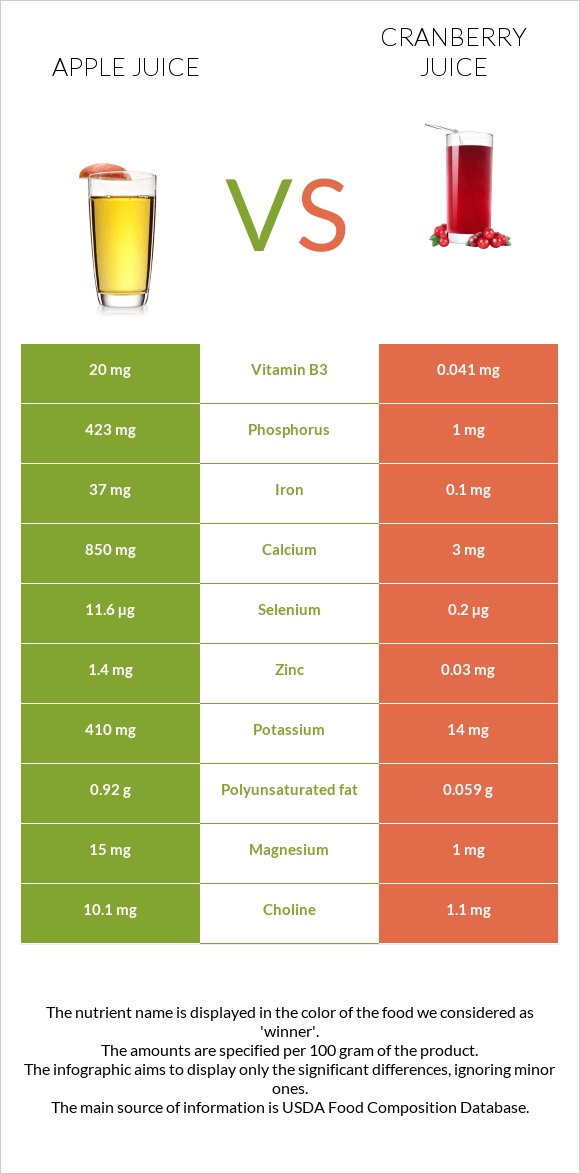
The Good News: Cranberry juice, in its purest form (100% cranberry juice, no added sugars), contains compounds that can actually help protect your teeth. These compounds are thought to prevent bacteria from sticking to your teeth, reducing the formation of plaque. Plaque is the sticky film that builds up on your teeth and contributes to cavities and gum disease. Some studies suggest that cranberry juice can even help prevent urinary tract infections (UTIs), a bonus that's unrelated to oral health but still nice to know!

The Bad News: While pure cranberry juice boasts some potential benefits, many commercially available cranberry juice products are loaded with added sugars. These added sugars completely negate any potential benefits and turn the drink into a cavity-causing culprit.

Reading Labels is Key

This is where reading labels becomes incredibly important. Look for 100% cranberry juice with no added sugars. If you see words like "cocktail," "flavored," or "sweetened," chances are there's a significant amount of added sugar lurking within.

Cranberry Juice vs. Sugary Alternatives: The Verdict

Let's compare cranberry juice (the unsweetened kind!) to some common sugary alternatives:
  • Soda: Hands down, soda is one of the worst drinks for your teeth. The high sugar content combined with the acidic nature of the drink is a recipe for disaster.
  • Fruit Punch: Often loaded with sugar and artificial colors and flavors, fruit punch is another major culprit.
  • Sweetened Iced Tea: The added sugar in sweetened iced tea can wreak havoc on your teeth, similar to soda and fruit punch.
  • Sports Drinks: Many sports drinks contain a high concentration of sugar and electrolytes that can promote bacterial growth in your mouth.
  • 100% Unsweetened Cranberry Juice: This is your best bet among these options. While it's still acidic, the absence of added sugar gives it a significant edge in terms of protecting your teeth.

Remember, even unsweetened cranberry juice is still acidic. While the acidity is lower than many sodas, it can still erode enamel with frequent consumption. It's best to enjoy it in moderation and rinse your mouth with water afterward.

Tips for Protecting Your Teeth

Regardless of what you drink, here are some additional tips to protect your smile:
  • Brush your teeth twice a day for two minutes each time.
  • Floss daily to remove food particles and plaque from between your teeth.
  • Visit your dentist regularly for checkups and cleanings.
  • Consider using a fluoride mouthwash to strengthen your enamel.
  • Limit sugary drinks and snacks.
  • Drink plenty of water to help rinse away food particles and neutralize acids.

Commonly Asked Questions

  • Q: Can cranberry juice whiten my teeth? A: While some people claim cranberry juice has whitening properties, there's no scientific evidence to support this claim. Its acidic nature can even erode enamel, potentially making teeth *appear* whiter due to the removal of surface stains but at the cost of long-term damage.
  • Q: Is cranberry juice good for preventing UTIs? A: There is some evidence that cranberry juice might help prevent UTIs, but more research is needed. It's not a guaranteed preventative measure.
  • Q: How much cranberry juice is too much? A: Because of its acidity, limiting your intake is always a good idea. Enjoy it in moderation and always rinse your mouth with water afterward. Consider diluting it with water to further reduce acidity.
  • Q: What's the best way to store cranberry juice? A: Store unopened cranberry juice according to the instructions on the label. Once opened, refrigerate it and consume it within a reasonable timeframe to prevent spoilage.
Remember, the key to a healthy smile is a balanced diet and good oral hygiene. Choose wisely, and your teeth will thank you!

Probiotics for Gum Recession: A Natural Remedy for Gum Health

Probiotics for Gum Recession: A Natural Remedy for Gum Health

Probiotics for Gum Recession: A Natural Remedy for Gum Health

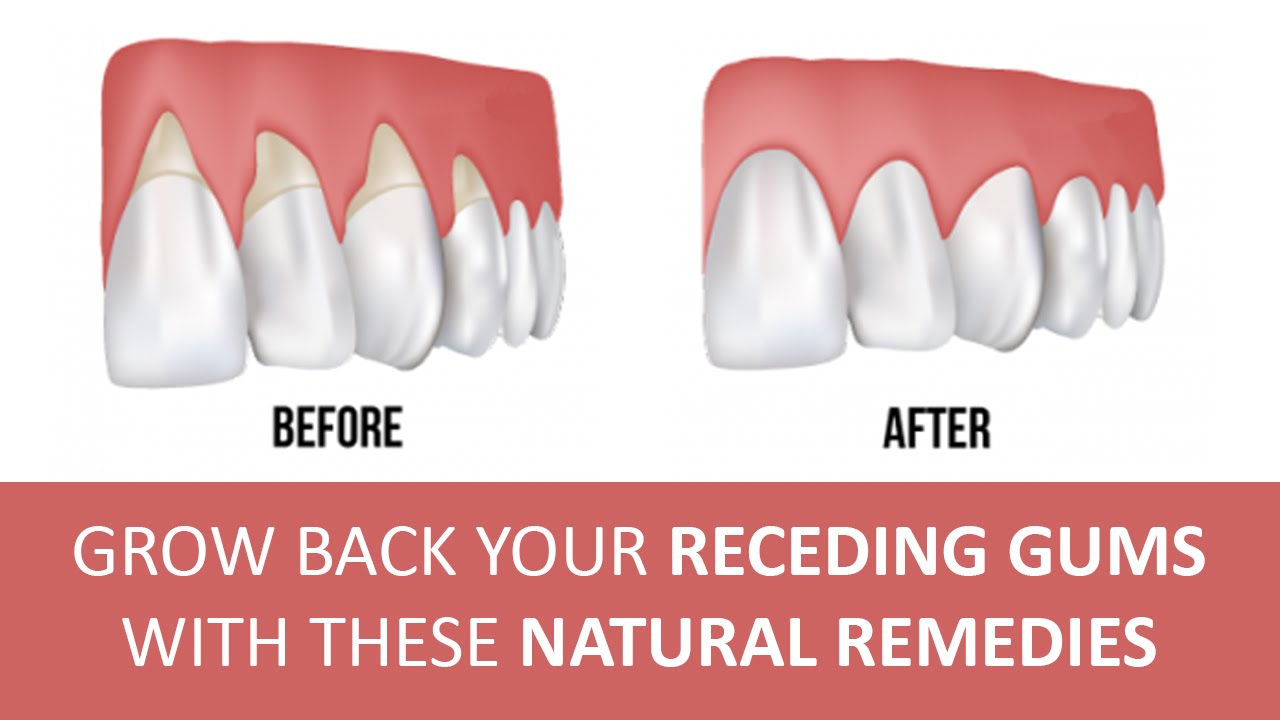
Gum recession, that unsettling retreat of gum tissue exposing more of your teeth, affects millions. While traditional treatments exist, many are seeking natural alternatives to improve their gum health and combat this often painful and aesthetically unappealing condition. Enter probiotics, the beneficial bacteria that are increasingly recognized for their potential role in overall health, including oral wellness. This article explores the fascinating connection between probiotics and gum recession, detailing how these microscopic allies might help reverse the damage and promote healthier gums.

Understanding Gum Recession and its Causes

Gum recession, also known as gingival recession, isn't merely a cosmetic issue. It exposes the sensitive root surfaces of your teeth, making them vulnerable to decay, sensitivity to hot and cold, and even tooth loss. Several factors contribute to this problem. Aggressive brushing, improper flossing techniques, and periodontal disease (gum disease) are primary culprits. Genetics also plays a role, as some individuals are simply more predisposed to gum recession than others. Furthermore, grinding or clenching your teeth (bruxism) and smoking significantly increase the risk.

The Role of the Oral Microbiome in Gum Health

Your mouth teems with a complex ecosystem of bacteria – the oral microbiome. A healthy balance of beneficial and harmful bacteria is crucial for maintaining gum health. An imbalance, known as dysbiosis, can lead to an overgrowth of harmful bacteria, triggering inflammation and contributing to gum recession and periodontal disease. This inflammation damages the tissues supporting your teeth, causing the gums to recede. Probiotics, by introducing beneficial bacteria, aim to restore this balance and combat the harmful species responsible for the damage.

How Probiotics Fight Gum Recession

Probiotics work through several mechanisms to improve gum health and potentially reverse gum recession. They:

  • Compete with harmful bacteria for space and resources, limiting their growth and impact.
  • Produce antimicrobial substances that directly inhibit the growth of harmful bacteria associated with gum disease.
  • Strengthen the immune response in the gums, reducing inflammation and promoting tissue repair.
  • Improve the overall health of the oral microbiome, creating a more balanced and resilient environment less susceptible to disease.

Incorporating Probiotics into Your Gum Health Routine

While research on the efficacy of probiotics for gum recession is ongoing and requires more large-scale studies, promising preliminary findings warrant exploration. You can introduce probiotics into your routine through several avenues. Probiotic mouthwashes and gels are readily available, delivering beneficial bacteria directly to the gums. Probiotic supplements taken orally can also positively influence the oral microbiome, albeit indirectly. Maintaining a healthy diet rich in probiotics naturally found in foods like yogurt (containing live and active cultures), kefir, and sauerkraut can contribute to a healthier oral ecosystem. Remember, a holistic approach combining probiotics with excellent oral hygiene – brushing twice a day, flossing regularly, and professional dental cleanings – is key.

Consult Your Dentist

Before incorporating probiotics into your gum health routine, consult your dentist or periodontist. They can assess your specific situation, diagnose the underlying cause of your gum recession, and advise on the most appropriate treatment plan. Probiotics should be considered a complementary therapy, not a replacement for professional dental care. They can help optimize your oral health but cannot replace essential dental procedures or treatments when necessary. Remember to always prioritize professional dental advice for optimal gum health and overall well-being.

How to Improve Gum Health and Protect Your Teeth Long-Term

How to Improve Gum Health and Protect Your Teeth Long-Term

Comprehensive Guide to Optimizing Gum Health and Long-Term Dental Protection

Maintaining optimal gum health is paramount for preserving overall oral health and preventing a myriad of dental complications. Healthy gums are crucial not only for a beautiful smile but also for the long-term stability and function of your teeth. This comprehensive guide explores the multifaceted aspects of gum health, encompassing preventive measures, early detection strategies, and effective treatment approaches to safeguard your teeth for a lifetime.

Understanding the Fundamentals of Gum Health

The gums, or gingiva, are the soft tissues surrounding and supporting the teeth. Healthy gums are firm, pink, and do not bleed easily. Conversely, unhealthy gums exhibit inflammation, redness, swelling, and often bleed during brushing or flossing. This condition, known as gingivitis, is the initial stage of gum disease, a prevalent and preventable condition with far-reaching consequences.

The Devastating Impact of Gum Disease (Periodontal Disease)

If left untreated, gingivitis progresses to periodontitis, a more severe form of gum disease. Periodontitis involves the destruction of the tissues and bone supporting the teeth, leading to potential tooth loss. Moreover, recent research strongly links periodontal disease to systemic health issues, including cardiovascular disease, diabetes, and respiratory infections. The chronic inflammation associated with periodontitis can trigger a cascade of inflammatory responses throughout the body, exacerbating existing conditions or even initiating new ones.

Proactive Strategies for Maintaining Gum Health

A proactive approach to gum health involves a multifaceted strategy that encompasses meticulous oral hygiene, regular dental check-ups, and a healthy lifestyle. The following sections detail key elements of this preventive strategy.

Optimal Oral Hygiene Practices

The cornerstone of gum health is meticulous oral hygiene. This entails a diligent and consistent approach to brushing and flossing. Brushing should be performed twice daily for at least two minutes using a soft-bristled toothbrush and fluoride toothpaste. The technique should be gentle but thorough, paying attention to the gumline and all tooth surfaces. Flossing, ideally once daily, is equally crucial for removing plaque and food debris from between the teeth where a toothbrush cannot reach. Proper flossing technique involves gently curving the floss around each tooth, ensuring complete contact with the gumline.

The Role of Therapeutic Mouthwashes

Therapeutic mouthwashes, particularly those containing chlorhexidine or essential oils, can play a supplementary role in improving gum health. These mouthwashes possess antimicrobial properties that help reduce plaque and gingivitis. However, they should be used judiciously as per the dentist's recommendations, and overuse can potentially disrupt the oral microbiome and cause undesirable side effects. It is crucial to remember that mouthwashes are adjuncts to, not replacements for, proper brushing and flossing.

Dietary Considerations for Gum Health

Diet plays a significant role in overall health, including oral health. A balanced diet rich in fruits, vegetables, and whole grains provides essential nutrients crucial for gum health. Conversely, a diet high in sugary and processed foods promotes the growth of plaque-forming bacteria, increasing the risk of gum disease. Limiting sugar intake and choosing nutrient-rich foods is a vital component of a preventive strategy.

Regular Dental Check-ups and Professional Cleanings

Regular visits to the dentist are essential for maintaining optimal gum health. Routine check-ups allow for early detection of any signs of gum disease or other oral health problems. Professional cleanings, typically performed every six months, remove accumulated plaque and tartar that cannot be removed by brushing and flossing alone. These cleanings help prevent the progression of gingivitis and maintain healthy gums.

Recognizing and Addressing the Signs of Gum Disease

Early detection is key to effective management of gum disease. Recognizing the warning signs is paramount in seeking timely professional intervention. Common symptoms of gingivitis include:

  • Red, swollen, or tender gums
  • Gums that bleed easily during brushing or flossing
  • Persistent bad breath
  • Gums that have pulled away from the teeth
  • Pus between the gums and teeth
  • Loose teeth
  • Changes in the way your teeth fit together when you bite
  • A change in your bite

If any of these symptoms are present, it is crucial to consult a dentist immediately. Early intervention can prevent the progression of gingivitis to periodontitis, minimizing potential long-term damage.

Treatment Options for Gum Disease

Treatment for gum disease varies depending on the severity of the condition. For early-stage gingivitis, improved oral hygiene practices often suffice to reverse the inflammation. However, for more advanced periodontitis, more intensive treatment may be necessary. This can include:

  • Scaling and root planing: A deep cleaning procedure to remove plaque and tartar from below the gum line.
  • Antibiotics: To combat bacterial infections associated with periodontitis.
  • Surgery: In severe cases, surgical procedures may be necessary to repair damaged tissues and bone.

Maintaining Long-Term Gum Health: A Holistic Approach

Maintaining long-term gum health requires a holistic approach that integrates preventive measures, early detection strategies, and effective treatment when necessary. This necessitates a commitment to consistent oral hygiene practices, regular dental visits, a healthy lifestyle, and prompt attention to any warning signs of gum disease. By adopting this proactive and comprehensive strategy, individuals can significantly reduce their risk of gum disease and safeguard their oral health for a lifetime, contributing to overall well-being.

Disclaimer: This article provides general information and should not be considered a substitute for professional medical advice. Always consult with a qualified dentist or healthcare professional for any concerns regarding your oral health.

Say Hello to a Fresher Mouth with Our Collection of Effective Strategies

Say Hello to a Fresher Mouth with Our Collection of Effective Strategies

Say Hello to a Fresher Mouth with Our Collection of Effective Strategies

Maintaining optimal oral hygiene is paramount for overall health and well-being. A fresher mouth is not merely a matter of aesthetics; it significantly contributes to improved confidence, enhanced social interactions, and the prevention of various oral health problems. This comprehensive guide delves into a range of effective strategies designed to help you achieve and maintain a consistently fresh mouth, addressing the multifaceted nature of oral hygiene.

The Foundation: Effective Brushing Techniques

The cornerstone of any oral hygiene regimen is proper brushing. While seemingly straightforward, many individuals inadvertently compromise the efficacy of their brushing technique, leading to inadequate plaque removal and subsequent oral health issues. Mastering the art of brushing is crucial for a fresher, healthier mouth.

Choosing the Right Toothbrush

Selecting the appropriate toothbrush is the first step towards effective brushing. Opt for a toothbrush with soft bristles to prevent gum irritation and enamel erosion. Medium or hard bristles can damage delicate gum tissue and contribute to receding gums. The size and shape of the brush head should allow for easy access to all areas of the mouth, including the back molars. Consider electric toothbrushes as they often provide more thorough cleaning, especially for individuals with limited dexterity.

The Brushing Technique

The correct brushing technique involves gentle, short strokes, focusing on each tooth individually. Angle the brush at a 45-degree angle towards the gum line. Use short back-and-forth motions, ensuring that you cover all tooth surfaces – the outer, inner, and chewing surfaces. Don't forget to brush your tongue gently to remove bacteria and freshen breath. The entire brushing process should ideally last for a minimum of two minutes, twice a day.

Toothpaste Selection

The choice of toothpaste significantly impacts the effectiveness of your brushing. Look for toothpastes containing fluoride, a crucial element in strengthening enamel and preventing cavities. Consider toothpastes designed to address specific concerns, such as sensitivity or whitening, based on your individual needs. However, always consult your dentist before making significant changes to your oral hygiene routine.

The Importance of Flossing: Reaching the Inaccessible Areas

Brushing alone cannot completely eliminate plaque and food particles from between the teeth. Flossing is essential for reaching these interdental spaces, preventing gum disease, and promoting a fresher mouth. Failing to floss regularly can lead to the accumulation of plaque, resulting in gingivitis, periodontitis, and bad breath.

Flossing Techniques

Use about 18 inches of floss, wrapping most of it around your middle fingers. Gently guide the floss between your teeth, using a sawing motion to avoid snapping the floss against the gums. Curve the floss around each tooth in a "C" shape, ensuring you reach below the gum line. Use a clean section of floss for each tooth, thoroughly cleaning all surfaces.

Alternatives to Traditional Flossing

For individuals who find traditional flossing challenging, various alternatives exist, such as interdental brushes, floss picks, and water flossers. Interdental brushes are particularly effective for those with wider gaps between their teeth. Water flossers utilize a stream of water to dislodge food particles and plaque, proving beneficial for individuals with braces or implants. Consult your dentist to determine the most suitable alternative for your specific needs.

Beyond Brushing and Flossing: Maintaining Oral Hygiene

While brushing and flossing form the foundation of oral hygiene, several supplementary practices contribute to a fresher and healthier mouth. These practices, when integrated into a comprehensive oral hygiene routine, significantly enhance the overall effectiveness of your efforts.

The Role of Mouthwash

Mouthwash serves as a supplementary tool, not a replacement for brushing and flossing. Therapeutic mouthwashes containing chlorhexidine or other antimicrobial agents can help control plaque and gingivitis. However, overuse can disrupt the oral microbiome, potentially leading to adverse effects. Consult your dentist regarding the appropriate use of mouthwash.

Dietary Considerations

Diet plays a pivotal role in oral health. A diet rich in sugary and acidic foods and beverages contributes to the formation of plaque and tooth decay. Minimizing the consumption of such foods and opting for a balanced diet rich in fruits, vegetables, and whole grains is crucial for maintaining a healthy mouth. Staying well-hydrated by drinking plenty of water also helps rinse away food particles and bacteria.

Regular Dental Checkups and Cleanings

Regular visits to the dentist are indispensable for maintaining optimal oral hygiene. Professional cleanings remove plaque and tartar buildup that cannot be eliminated through at-home methods. Regular checkups enable early detection and treatment of dental problems, preventing minor issues from escalating into more serious concerns. Your dentist can provide personalized advice and guidance based on your individual needs and oral health status.

Addressing Specific Concerns: Bad Breath and Sensitivity

Addressing specific oral health concerns, such as bad breath (halitosis) and tooth sensitivity, requires a multifaceted approach. These conditions often have underlying causes that require targeted interventions.

Tackling Bad Breath

Bad breath can stem from various factors, including poor oral hygiene, gum disease, dry mouth, certain medical conditions, and dietary choices. Maintaining meticulous oral hygiene is paramount. Using a tongue scraper can help remove bacteria from the tongue's surface. Addressing underlying medical conditions and adopting dietary changes can also help alleviate bad breath. If bad breath persists, consult your dentist or physician to rule out any underlying medical issues.

Managing Tooth Sensitivity

Tooth sensitivity can be caused by several factors, including gum recession, enamel erosion, and cracked teeth. Using a toothpaste specifically formulated for sensitive teeth can provide relief. Avoiding acidic foods and beverages, as well as cold and hot temperatures, can also help minimize sensitivity. If sensitivity persists, consult your dentist for a comprehensive evaluation and appropriate treatment.

In conclusion, achieving and maintaining a fresher mouth involves a holistic approach that encompasses proper brushing and flossing techniques, mindful dietary choices, regular dental checkups, and addressing any underlying oral health concerns. By implementing these strategies, you can significantly improve your oral health, boost your confidence, and enhance your overall well-being. Remember, consistency is key. Maintain a diligent oral hygiene routine, and you will reap the rewards of a fresher, healthier mouth for years to come.