Sunday, November 24, 2024

Why Health-Conscious Consumers Love Baking Soda for Gums

Why Health-Conscious Consumers Love Baking Soda for Gums

The Alkaline Advantage: Why Health-Conscious Consumers Embrace Baking Soda for Gum Health

In the ever-expanding landscape of health and wellness, consumers are increasingly seeking natural and effective solutions for maintaining optimal oral hygiene. Among the rising stars in this domain is baking soda, a readily available and surprisingly versatile substance with a growing reputation for its potential benefits in promoting gum health. This article will delve into the reasons why health-conscious individuals are embracing baking soda as a complementary approach to traditional oral care practices, exploring its multifaceted properties and examining the scientific evidence supporting its purported advantages.

The Multifaceted Properties of Baking Soda

Sodium bicarbonate, commonly known as baking soda, is a naturally occurring alkaline compound. This inherent alkalinity is the cornerstone of its effectiveness in oral hygiene. Its pH level, typically around 8-9, is significantly higher than the neutral pH of 7, making it a powerful neutralizing agent against the acids produced by oral bacteria.

Neutralizing Oral Acidity

One of the primary reasons for baking soda's popularity among health-conscious individuals is its ability to combat oral acidity. The plaque biofilm that adheres to the teeth and gums harbors numerous bacteria. These bacteria metabolize sugars and carbohydrates, producing acids as byproducts. These acids contribute to tooth enamel erosion and gum inflammation, leading to conditions such as cavities and gingivitis. Baking soda's alkaline nature helps to neutralize these acids, mitigating their damaging effects on tooth enamel and gum tissue.

Antimicrobial Properties

Beyond its acid-neutralizing capabilities, baking soda possesses inherent antimicrobial properties. Studies suggest that baking soda can inhibit the growth of specific strains of bacteria implicated in oral infections. While not a substitute for traditional antimicrobials, baking soda's antimicrobial effect adds another layer of protection to the oral cavity, potentially contributing to a healthier gum environment.

Abrasive Properties: A Double-Edged Sword

Baking soda’s mild abrasive properties are another factor contributing to its perceived benefits for gum health. This gentle abrasion can aid in the removal of surface stains and plaque buildup, helping to keep teeth cleaner and gums healthier. However, it is crucial to emphasize that excessive use of baking soda's abrasive properties can potentially damage tooth enamel over time. Therefore, moderation is key when utilizing baking soda for oral hygiene.

Baking Soda's Application in Gum Health: Practical Approaches

Health-conscious consumers employ various methods to integrate baking soda into their oral hygiene routines. These practices range from simple additions to existing routines to more involved homemade remedies.

Baking Soda and Toothpaste

Many individuals incorporate a small amount of baking soda into their regular toothpaste. This simple addition boosts the toothpaste's ability to neutralize acids and gently scrub away plaque. However, it's important to note that excessive use can lead to enamel erosion. A small pinch mixed with regular toothpaste is generally considered sufficient.

Baking Soda Mouthwash

A baking soda mouthwash can be easily prepared at home by dissolving a teaspoon of baking soda in a glass of warm water. Rinsing the mouth with this solution after brushing can help neutralize acids, freshen breath, and potentially reduce inflammation. This approach is often favored for its simplicity and cost-effectiveness.

Baking Soda Paste for Direct Gum Application

Some individuals create a paste by mixing baking soda with a small amount of water. This paste can be gently applied directly to inflamed gums using a clean finger or a soft-bristled toothbrush. This direct application is believed to help neutralize acids at the site of inflammation and promote healing. However, this method should be used with caution to avoid potential irritation.

Scientific Evidence and Research: Supporting the Claims

While anecdotal evidence abounds regarding the benefits of baking soda for gum health, scientific research is still ongoing. However, existing studies provide some support for its positive effects. Several studies have demonstrated baking soda's effectiveness in neutralizing acids, inhibiting bacterial growth, and reducing plaque formation. Furthermore, some research suggests a potential link between baking soda use and improved gingival health, although more comprehensive studies are needed to confirm these findings conclusively.

Limitations and Considerations

It is crucial to acknowledge that baking soda is not a cure-all for gum disease. While it offers potential benefits as a complementary approach, it should not replace professional dental care. Individuals suffering from severe gum disease or other oral health issues should seek professional treatment from a dentist or periodontist. Moreover, excessive use of baking soda can damage tooth enamel due to its abrasive nature, potentially leading to tooth sensitivity and other problems.

Potential Side Effects

While generally safe for topical use, some individuals may experience minor side effects such as temporary irritation or burning sensations. Individuals with sensitive teeth or gums should exercise caution and use baking soda sparingly. Allergic reactions to baking soda are rare but possible. If any adverse effects occur, discontinue use immediately and consult a healthcare professional.

Conclusion: A Complementary Approach to Oral Hygiene

In conclusion, the growing popularity of baking soda among health-conscious consumers for gum health is rooted in its multifaceted properties, including its acid-neutralizing, antimicrobial, and mildly abrasive characteristics. While research continues to explore its full potential, available evidence suggests baking soda can be a valuable complementary tool in maintaining optimal oral hygiene. However, it is crucial to remember that baking soda should be used judiciously and should not replace regular dental checkups and professional oral hygiene practices. A balanced approach that combines the benefits of baking soda with traditional methods, under the guidance of a dental professional, offers the best chance for achieving and maintaining healthy gums and teeth.

How Purple Carrots Help in Maintaining Healthy Teeth and Gums

How Purple Carrots Help in Maintaining Healthy Teeth and Gums

The Antioxidant Powerhouse: Unveiling the Oral Health Benefits of Purple Carrots

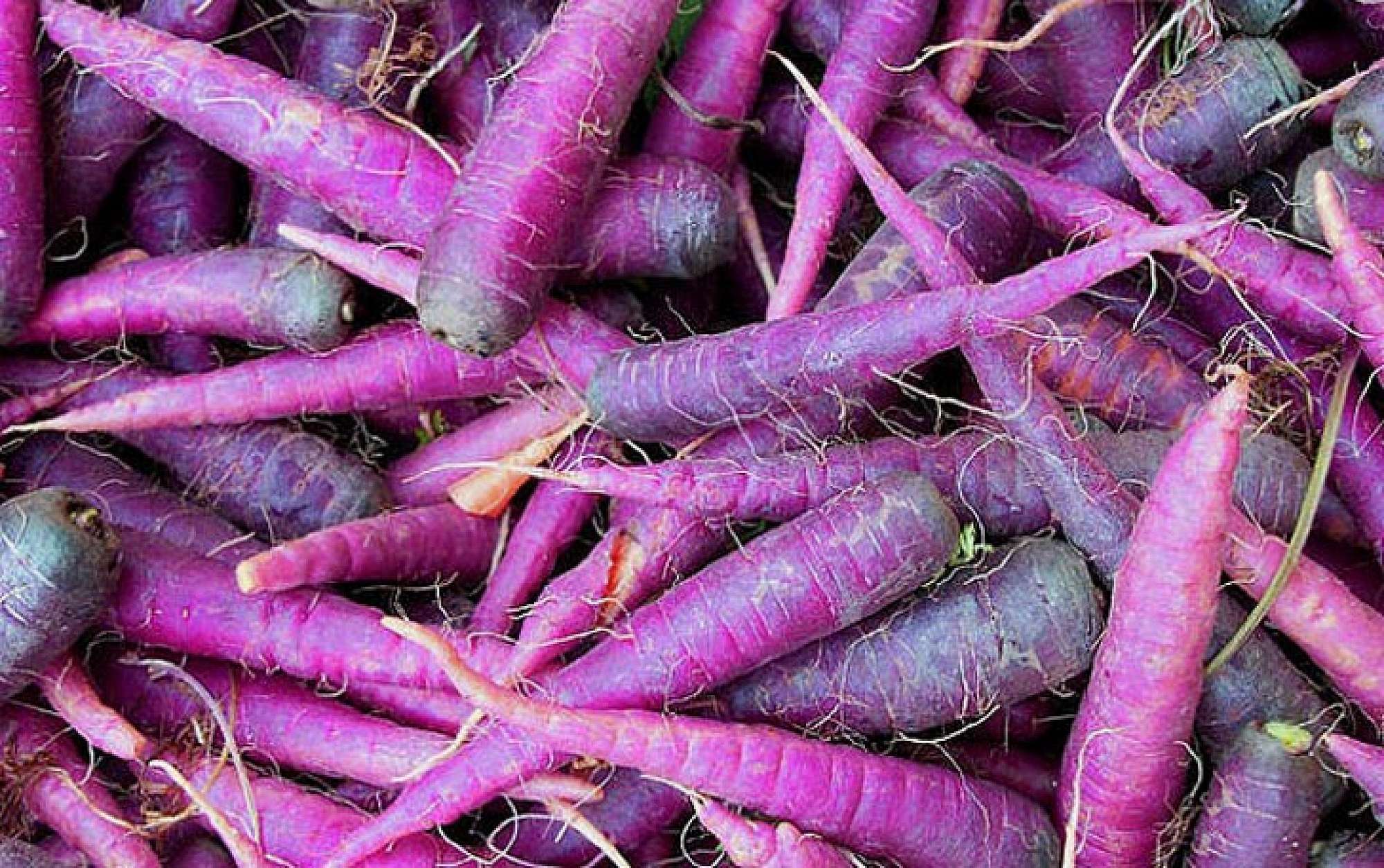
While the vibrant orange carrot is a familiar sight in our diets, its lesser-known purple cousin offers a compelling array of health benefits, particularly concerning oral hygiene. Purple carrots, boasting a rich anthocyanin content, contribute significantly to maintaining healthy teeth and gums through various mechanisms. This comprehensive exploration delves into the scientific basis for these benefits, highlighting the ways in which incorporating purple carrots into a balanced diet can contribute to overall oral well-being.

The Unique Phytochemical Profile of Purple Carrots

The distinctive purple hue of these carrots originates from anthocyanins, a class of potent polyphenolic compounds belonging to the flavonoid family. These pigments are not merely responsible for the striking color; they are also renowned for their strong antioxidant and anti-inflammatory properties. Unlike their orange counterparts, which primarily contain carotenoids, purple carrots offer a unique blend of both carotenoids and anthocyanins, creating a synergistic effect on overall health, including oral health.

Anthocyanins: A Deep Dive into Their Oral Health Relevance

Anthocyanins' remarkable contribution to oral health stems from their multifaceted actions. Their robust antioxidant capacity neutralizes reactive oxygen species (ROS), free radicals implicated in the pathogenesis of various oral diseases. ROS damage cellular components, including DNA, lipids, and proteins, within the oral cavity. This damage can lead to inflammation, periodontal disease, and even an increased risk of oral cancers. The anthocyanins in purple carrots effectively scavenge these ROS, mitigating oxidative stress and protecting the delicate tissues of the mouth.

Furthermore, anthocyanins possess notable anti-inflammatory properties. Inflammation is a cornerstone of numerous oral diseases, such as gingivitis and periodontitis. By inhibiting the production of pro-inflammatory cytokines and mediators, anthocyanins help control inflammation, thus preventing or reducing the severity of these conditions. This anti-inflammatory effect is crucial in maintaining healthy gums and preventing periodontal disease progression.

Synergistic Effects with Carotenoids

While anthocyanins are the primary focus in purple carrots’ oral health benefits, the presence of carotenoids adds another layer of protection. Carotenoids, particularly beta-carotene, are precursors to vitamin A, an essential nutrient for maintaining healthy mucous membranes, including those lining the mouth. Adequate vitamin A levels support the integrity of the oral mucosa, creating a natural barrier against bacterial invasion and infection. The combined presence of anthocyanins and carotenoids creates a powerful defense system against oral pathogens.

Mechanisms of Action: How Purple Carrots Protect Oral Health

The protective effects of purple carrots on oral health are mediated through several key mechanisms:

  • Antioxidant Activity: Anthocyanins neutralize free radicals, reducing oxidative stress and preventing damage to oral tissues.
  • Anti-inflammatory Action: Anthocyanins suppress the production of inflammatory mediators, minimizing gingival inflammation and periodontal disease progression.
  • Enhanced Immune Response: The combined actions of anthocyanins and carotenoids support the immune system's ability to combat oral pathogens.
  • Improved Oral Microbiome Balance: While further research is needed, some studies suggest anthocyanins may influence the oral microbiome, potentially reducing the prevalence of harmful bacteria.
  • Strengthened Oral Mucosa: Vitamin A derived from carotenoids contributes to the integrity and resilience of the oral mucosa.

Clinical Evidence and Future Research Directions

While the research on the direct impact of purple carrot consumption on oral health is still emerging, the extensive body of evidence supporting the beneficial effects of anthocyanins and carotenoids in other aspects of health strongly suggests their positive contribution to oral well-being. Many studies have demonstrated the antioxidant and anti-inflammatory properties of these compounds in various contexts, lending credence to their potential in preventing and managing oral diseases.

Future research should focus on conducting clinical trials specifically examining the effects of purple carrot consumption on oral health indicators, such as gingival inflammation, periodontal pocket depth, and bleeding on probing. Such trials would provide more direct evidence to support the anecdotal observations and the existing knowledge on the bioactive compounds found within purple carrots. Investigating the influence of purple carrot consumption on the composition and function of the oral microbiome is also crucial.

Incorporating Purple Carrots into a Healthy Oral Hygiene Regimen

Incorporating purple carrots into a balanced diet can be a simple yet effective strategy to support oral health. These carrots can be enjoyed raw as a healthy snack, added to salads, or incorporated into various culinary creations. Their versatility allows for easy integration into various meal plans.

However, it’s crucial to remember that purple carrots, while beneficial, are not a replacement for good oral hygiene practices. Maintaining a comprehensive oral hygiene routine, including regular brushing and flossing, remains paramount in preventing oral diseases. Regular dental checkups are essential for early detection and timely intervention for any developing oral health problems.

Dietary Considerations

While purple carrots offer significant health benefits, it's vital to adopt a holistic approach to oral health. A balanced diet rich in fruits, vegetables, and whole grains is crucial. Furthermore, limiting the consumption of sugary drinks and processed foods is essential to prevent dental caries and gum disease. Sufficient hydration is also important for maintaining a healthy oral environment.

In conclusion, the abundant anthocyanin and carotenoid content of purple carrots positions them as a promising addition to a comprehensive oral health strategy. Their antioxidant and anti-inflammatory properties offer potential protection against various oral diseases. While further research is needed to fully elucidate their effects, incorporating purple carrots into a balanced diet, coupled with meticulous oral hygiene practices and regular dental checkups, can contribute significantly to achieving and maintaining optimal oral health and overall well-being.

Why Xylitol and Probiotics Are Effective for Preventing Tooth Decay

Why Xylitol and Probiotics Are Effective for Preventing Tooth Decay

Sweet Success Against Tooth Decay: Xylitol and Probiotics â€" A Winning Combo?

Okay, let's talk teeth. Nobody wants cavities, right? Brushing and flossing are the usual suspects in the fight against tooth decay, but did you know there are some exciting new players in town? I'm talking about xylitol and probiotics â€" two natural powerhouses that are gaining serious traction in the battle for a healthy smile. Let's dive into why they're so effective and how they work together to keep those pearly whites shining bright.

Understanding the Enemy: Tooth Decay 101

Before we get into the heroes of our story, let's quickly recap the villain: tooth decay. It all starts with bacteria, specifically the Streptococcus mutans bacteria. These little critters love sugar. When you eat sugary foods and drinks, these bacteria feast, producing acid as a byproduct. This acid attacks the enamel, the hard outer layer of your teeth, leading to cavities and eventually, more serious dental problems.

It's a vicious cycle: more sugar, more acid, more decay. So, how do we break this cycle?

Xylitol: The Sugar That Fights Back

Xylitol is a natural sugar alcohol found in many fruits and vegetables. But here's the kicker: Streptococcus mutans can't metabolize xylitol. This means they can't use it for energy and therefore, can't produce the acid that causes cavities. It's like giving them a food they can't digest â€" a total game changer.

How Xylitol Works Its Magic

Xylitol’s benefits extend beyond simply preventing acid production. It actually works in several ways:

  • Reduces bacterial growth: Xylitol interferes with the bacteria's ability to stick to your teeth, making it harder for them to form colonies and wreak havoc.
  • Increases saliva production: Saliva is your mouth's natural cleaning agent, washing away food particles and neutralizing acid. Xylitol stimulates saliva production, further enhancing its protective effects.
  • Re-mineralizes enamel: While it doesn't completely repair damaged enamel, xylitol helps to re-mineralize it, making your teeth stronger and more resistant to decay.

It's important to note that xylitol isn't a miracle cure. You still need to practice good oral hygiene, but it significantly reduces your risk of cavities when incorporated into your daily routine.

Probiotics: The Good Bacteria for Your Mouth

We often hear about probiotics in the context of gut health, but they play a significant role in oral health too. Probiotics are beneficial bacteria that help to maintain a healthy balance of microorganisms in your mouth. They compete with cavity-causing bacteria for resources and space, effectively limiting their ability to thrive.

The Power of a Balanced Microbiome

Your mouth is home to a complex ecosystem of bacteria â€" both good and bad. A healthy balance is key to preventing tooth decay. Probiotics help tilt this balance in your favor by:

  • Competing with harmful bacteria: Good bacteria outcompete bad bacteria for nutrients and space, reducing their numbers and activity.
  • Producing antimicrobial substances: Some probiotics produce substances that directly inhibit the growth of cavity-causing bacteria.
  • Strengthening the immune response: Probiotics can stimulate your immune system to better fight off infections, including those that can contribute to tooth decay.

You can introduce probiotics into your oral microbiome through specific probiotic mouthwashes, toothpastes, or even certain foods like yogurt (though ensure it contains live and active cultures!).

The Synergistic Effect: Xylitol and Probiotics Working Together

Now, here's where things get really interesting. Xylitol and probiotics are even more effective when used together. They create a powerful one-two punch against tooth decay.

Think of it like this: xylitol weakens the enemy (cavity-causing bacteria) by starving them and preventing them from sticking to your teeth. Meanwhile, probiotics bolster your defenses by introducing good bacteria that further compete with and suppress the bad guys. This combined approach is incredibly effective in creating a healthier, more cavity-resistant oral environment.

How to Incorporate Xylitol and Probiotics into Your Routine

Adding xylitol and probiotics to your daily routine is surprisingly easy. You can find xylitol in gum, mints, and even some toothpastes. Be mindful of the amount you consume, as excessive amounts can have a laxative effect. For probiotics, look for mouthwashes or toothpastes that specifically list beneficial bacteria strains like *Lactobacillus* or *Streptococcus salivarius* on their labels. Remember to consult with your dentist or doctor before starting any new oral health regimen, especially if you have any underlying health conditions.

Beyond specialized products, maintaining a healthy diet rich in fruits and vegetables can also contribute to a healthy oral microbiome. A balanced diet supports overall health, which is reflected in your oral health as well. Regular brushing and flossing remain fundamental to preventing tooth decay, acting as a crucial support system for the benefits provided by xylitol and probiotics.

Commonly Asked Questions

Q: Is xylitol safe for pets?

A: No, xylitol is extremely toxic to dogs and some other pets. Even small amounts can cause a dangerous drop in blood sugar and liver failure. Keep all xylitol-containing products out of reach of your furry friends.

Q: How much xylitol should I consume daily?

A: The recommended daily amount of xylitol varies, but generally, chewing xylitol gum a few times a day or using xylitol-containing products according to package instructions is considered safe for most adults. Always check product labels and follow the recommended usage instructions. It's always best to consult a dentist for personalized advice.

Q: Are all probiotic mouthwashes and toothpastes created equal?

A: No. Not all probiotic products are created equal. Look for products that clearly state the strains of bacteria they contain and have undergone testing to demonstrate their efficacy. Look for research backing up the manufacturer's claims. Choose products with a good reputation and read reviews from other users. And always consult with your dentist before trying new products, especially if you have existing dental issues or sensitivities.

Q: Can xylitol and probiotics completely prevent tooth decay?

A: While xylitol and probiotics are powerful tools in the fight against tooth decay, they are not a guarantee of complete prevention. They work best in conjunction with a comprehensive oral hygiene routine including regular brushing, flossing, and dental check-ups. Think of them as extra layers of protection in your overall dental health strategy.

Ultimately, the best approach to preventing tooth decay is a multi-faceted one. Combining good oral hygiene practices with the natural power of xylitol and probiotics can significantly reduce your risk and contribute to a lifetime of healthy, happy smiles!

Purple Carrots for Teeth and Gums: A Simple, Natural Solution

Purple Carrots for Teeth and Gums: A Simple, Natural Solution

Purple Carrots for Teeth and Gums: A Simple, Natural Solution

Hey everyone! Let's talk about something super interesting â€" purple carrots and their potential benefits for your teeth and gums. Now, before you picture some magical, tooth-whitening fairy tale, let's get one thing straight: I'm not a dentist, and this isn't a replacement for regular dental checkups and professional cleanings. But hear me out, because this vibrant root vegetable might just have some surprisingly cool tricks up its sleeve!

Why Purple Carrots? It's All About the Anthocyanins!

The magic behind purple carrots lies in their vibrant color, which comes from a group of powerful antioxidants called anthocyanins. These aren't some new-fangled lab creation; they're naturally occurring plant compounds found in many colorful fruits and vegetables, including blueberries, blackberries, and, you guessed it, purple carrots!

These anthocyanins aren't just pretty to look at; they're packed with potential benefits for your oral health. Studies suggest they may have:

  • Anti-inflammatory properties: Inflammation is often at the root of gum disease (gingivitis and periodontitis). Anthocyanins may help reduce this inflammation, contributing to healthier gums.
  • Antibacterial effects: Some research indicates that anthocyanins can inhibit the growth of certain bacteria associated with cavities and gum disease. Think of them as tiny, natural warriors fighting off the bad guys in your mouth!
  • Antioxidant power: Antioxidants help protect your cells from damage caused by free radicals. This protective effect can extend to the cells in your mouth, helping to maintain the overall health of your teeth and gums.

How to Incorporate Purple Carrots into Your Oral Health Routine

Now, you're probably wondering, "Okay, so how do I actually use these purple powerhouses to improve my dental hygiene?" It's simpler than you might think. There's no complicated concoction or magical ritual involved!

Chewing is Key!

One of the best ways to utilize the benefits of purple carrots is simply by chewing them raw. The act of chewing itself helps stimulate saliva production, which is nature's own mouthwash. Saliva helps neutralize acids, washes away food particles, and contains enzymes that fight bacteria. Chewing the raw purple carrot allows the anthocyanins to come into direct contact with your teeth and gums.

Beyond Chewing: Other Ways to Enjoy Purple Carrots

While chewing raw carrots is fantastic, you can also incorporate them into your diet in other ways:

  • Add them to smoothies: Blend them into a morning smoothie for a nutrient boost and a vibrant color!
  • Roast them: Roasting enhances their sweetness and makes them a delicious side dish.
  • Grate them into salads: A simple and healthy addition to any salad.
  • Make carrot juice: While you lose some of the fiber this way, the anthocyanins are still present.

Important Considerations: Purple Carrots Aren't a Miracle Cure

Let's manage expectations. While purple carrots offer promising potential benefits for your oral health, they're not a replacement for good oral hygiene practices. Think of them as a valuable supplement, not a magical cure-all.

Here's what you still need to do:

  • Brush your teeth twice a day: Use fluoride toothpaste and a soft-bristled brush for at least two minutes each time.
  • Floss daily: Flossing removes food particles and plaque from between your teeth, areas your toothbrush can't reach.
  • Visit your dentist regularly: Professional cleanings and checkups are crucial for maintaining optimal oral health. Your dentist can identify and address any potential problems early on.
  • Maintain a healthy diet: A balanced diet rich in fruits, vegetables, and whole grains contributes to overall health, including oral health.
  • Limit sugary drinks and snacks: Sugary foods and drinks feed the bacteria that cause cavities.

Where to Find Purple Carrots

Finding purple carrots might require a little more effort than finding their orange cousins. Check out:

  • Farmers' markets: Often a great place to find unique and locally grown produce.
  • Specialty grocery stores: Health food stores or stores with a wide selection of produce are more likely to carry them.
  • Online retailers: Several online retailers specialize in organic and specialty produce.

Commonly Asked Questions

Q: Are purple carrots significantly better for my teeth than orange carrots?

A: Both orange and purple carrots offer nutritional benefits. However, purple carrots contain anthocyanins, which have additional antioxidant and anti-inflammatory properties that may offer extra protection for your teeth and gums.

Q: Will eating purple carrots whiten my teeth?

A: There's no scientific evidence suggesting purple carrots will whiten your teeth. While they may contribute to overall gum and oral health, professional whitening treatments are still the best option for achieving whiter teeth.

Q: How many purple carrots should I eat per day?

A: There's no magic number. Including them as part of a balanced diet is a great approach. Aim for a variety of fruits and vegetables.

Q: Are purple carrots safe for everyone?

A: Generally, yes. However, if you have any specific dietary concerns or allergies, consult with your doctor or a registered dietitian.

Q: Can I use purple carrot juice to rinse my mouth?

A: While you could, it's not a substitute for brushing and flossing. Rinsing with water after eating is sufficient; the natural sugars in the juice could promote bacterial growth.

Remember, maintaining good oral hygiene is a multifaceted approach. Purple carrots can be a fun and delicious addition to your routine, but they’re most effective when combined with regular brushing, flossing, and professional dental care. Happy munching!

Using Probiotics and Xylitol in Oral Supplements for Stronger Teeth

Using Probiotics and Xylitol in Oral Supplements for Stronger Teeth

Unlocking Stronger Teeth: The Probiotic & Xylitol Power Duo

Hey there! Let's talk teeth. Specifically, how to give them the ultimate power-up. We all know brushing and flossing are crucial, but what if I told you there were some secret weapons you could add to your arsenal to make your pearly whites even stronger and healthier? I'm talking about probiotics and xylitol â€" two natural powerhouses that are revolutionizing oral care.

For years, we've focused on fighting bad bacteria in our mouths. But what if, instead of just fighting the bad guys, we could also bolster the good guys? That's where probiotics come in. And xylitol? Well, it's a sneaky little sugar alcohol that throws a serious wrench in the plans of cavity-causing bacteria.

Understanding the Probiotic Powerhouse

Think of your mouth as a bustling city. You've got the good citizens (beneficial bacteria) and the troublemakers (harmful bacteria). Probiotics are like reinforcements for the good guys â€" they help maintain a healthy balance within your oral microbiome. This balance is key to preventing cavities, gum disease, and other oral health problems.

How Probiotics Benefit Your Teeth

So, how exactly do these tiny beneficial bacteria work their magic? They do a few key things:

  • Crowd out the bad guys: By increasing the population of beneficial bacteria, they literally leave less room for the harmful bacteria to thrive.
  • Produce antimicrobial substances: Some probiotics produce substances that actively kill or inhibit the growth of cavity-causing bacteria.
  • Strengthen enamel: Certain probiotics may contribute to stronger enamel, your teeth's protective outer layer.
  • Reduce inflammation: They can help reduce inflammation in the gums, which is a major factor in gum disease.

It's important to note that not all probiotics are created equal. Some strains are better suited for oral health than others. Look for supplements that specifically mention strains known for their oral benefits, such as Lactobacillus and Streptococcus.

Xylitol: The Cavity-Fighting Sugar Alcohol

Now, let's talk about xylitol. This natural sweetener is found in many fruits and vegetables, but it's also a popular addition to oral care products. Unlike regular sugar, xylitol is a real pain for cavity-causing bacteria. Here's why:

Xylitol's Anti-Cavity Mechanisms

  • Bacteria can't metabolize it: Cavity-causing bacteria need sugar to survive and multiply. Xylitol prevents them from doing this because they can't break it down for energy.
  • It reduces bacterial adhesion: Xylitol makes it harder for bacteria to stick to your teeth, reducing the formation of plaque.
  • Increases saliva production: Saliva is a natural cleanser, and xylitol helps boost its production, further flushing away bacteria and food particles.

Xylitol comes in various forms â€" chewing gum, mints, and even mouthwashes. While it's generally safe, it's crucial to use it in moderation, as excessive consumption can lead to digestive upset. Always check the label and follow the recommended dosage.

The Synergistic Power of Probiotics and Xylitol

The real magic happens when you combine probiotics and xylitol. They work together in a synergistic way, meaning their combined effect is greater than the sum of their individual parts. Imagine the good bacteria, strengthened by probiotics, working alongside xylitol to starve and displace the cavity-causing bacteria. It's a two-pronged attack that significantly improves oral health.

Choosing the Right Oral Supplement

When looking for a probiotic and xylitol oral supplement, consider these factors:

  • Specific probiotic strains: Look for supplements that list specific strains known for oral health benefits, such as Lactobacillus reuteri, Lactobacillus rhamnosus, and Streptococcus salivarius.
  • Xylitol concentration: Choose a supplement with a sufficient amount of xylitol to be effective. Read the label carefully.
  • Other ingredients: Check for added sugars, artificial sweeteners, or other ingredients that might not be beneficial for oral health.
  • Reputable brand: Choose a supplement from a reputable brand with a history of quality and safety.

Remember, these supplements are not a replacement for regular brushing and flossing. They are a powerful addition to your existing oral hygiene routine. Think of them as your secret weapons for achieving optimal oral health.

Beyond the Supplements: Maintaining Optimal Oral Health

While probiotic and xylitol supplements are fantastic additions to your routine, they're not a magic bullet. Maintaining optimal oral health requires a holistic approach:

  • Brush twice daily: Use a fluoride toothpaste and brush gently for at least two minutes each time.
  • Floss daily: Flossing removes food particles and plaque from between your teeth, where your toothbrush can't reach.
  • Visit your dentist regularly: Regular checkups and cleanings are crucial for preventing and detecting problems early.
  • Maintain a healthy diet: Limit sugary drinks and snacks, and choose foods rich in vitamins and minerals that support oral health.
  • Stay hydrated: Drinking plenty of water helps wash away food particles and bacteria.

By combining these practices with the power of probiotics and xylitol, you can significantly improve your chances of having a healthy, happy smile for years to come!

Frequently Asked Questions

Q: Are probiotic and xylitol supplements safe for everyone?

A: Generally, yes. However, if you have any underlying health conditions or are taking medications, it's always best to consult your doctor or dentist before starting any new supplement.

Q: How long does it take to see results from using these supplements?

A: You might not see dramatic changes overnight. It typically takes several weeks of consistent use to notice improvements in oral health. Consistency is key!

Q: Can I use xylitol and probiotic supplements if I already have gum disease?

A: While these supplements can be beneficial, they are not a cure for gum disease. If you have gum disease, you must continue regular dental care and follow your dentist's recommendations.

Q: Are there any side effects associated with xylitol?

A: Excessive consumption of xylitol can lead to digestive issues like diarrhea. Stick to the recommended dosage.

Q: Where can I find probiotic and xylitol oral supplements?

A: You can find them at many health food stores, pharmacies, and online retailers.

Remember, maintaining good oral health is a journey, not a destination. By combining a comprehensive oral hygiene routine with the power of probiotics and xylitol, you're setting yourself up for a lifetime of healthy, happy smiles!