


Tackling That Gum Infection: A Natural Approach with Salt and Aloe Vera
Hey everyone! So, you've got a gum infection, huh? That's no fun. Sore, swollen gums, maybe some bleeding â€" it's a real pain. Before we dive in, let me be clear: I'm not a doctor. This isn't medical advice, just some information on a natural approach that some people find helpful. Always, always, always check with your dentist or doctor first before trying any new treatment, especially if your infection is severe. Okay, with that disclaimer out of the way, let's talk about using salt and aloe vera to potentially soothe those irritated gums.Understanding Gum Infections (Gingivitis and Periodontitis)
First, it's helpful to understand what's going on. A gum infection, generally speaking, falls into two categories: gingivitis and periodontitis. Gingivitis is the milder form â€" it's inflammation of the gums, often caused by plaque buildup. Think redness, swelling, maybe some bleeding when you brush. It's usually reversible with good oral hygiene. Periodontitis, on the other hand, is much more serious. It's an infection that affects the tissues and bone supporting your teeth. If left untreated, it can lead to tooth loss. If you suspect you have periodontitis, see a dentist ASAP.The Power of Saltwater Rinses
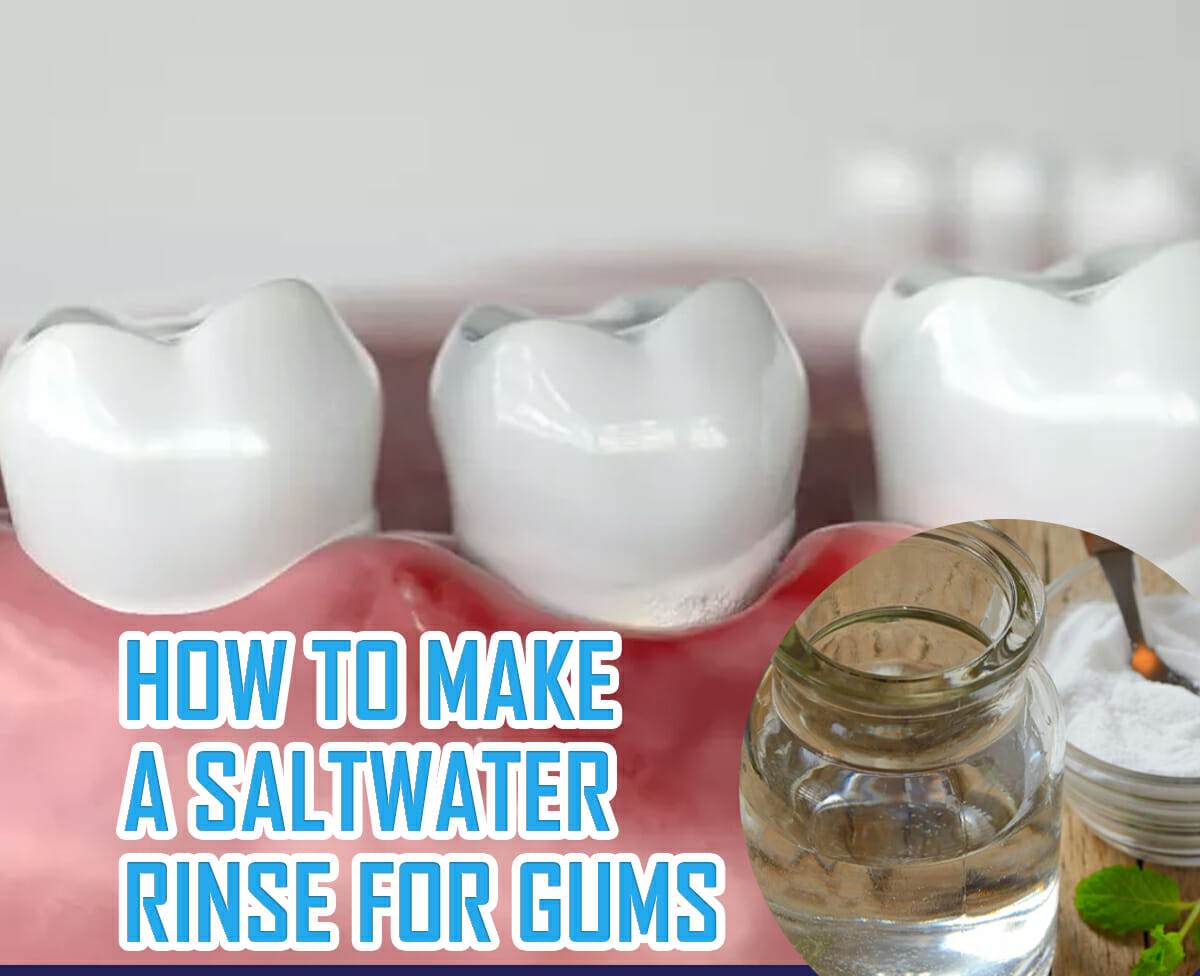
Saltwater rinses are a time-tested remedy for various mouth ailments, including gum infections. The salt's magic lies in its ability to draw out fluids, reducing swelling and inflammation. It also creates a slightly hypertonic environment, which can help kill some bacteria. Think of it as a natural, gentle antiseptic.How to Make a Saltwater Rinse:
It's incredibly simple! Just dissolve about ½ to ¾ teaspoon of non-iodized salt in 8 ounces of warm (not hot!) water. Swish this mixture around your mouth for about 30-60 seconds, making sure to reach all areas of your gums. Spit it out and rinse with plain water afterward. You can do this several times a day, especially after meals.Important Considerations for Saltwater Rinses:
* Don't swallow the saltwater! It's not meant for internal consumption. * Use non-iodized salt. Iodized salt can sometimes irritate sensitive gums. * Don't overdo it. While several rinses a day are fine, excessive rinsing can dry out your mouth. * Be gentle. Avoid aggressive swishing, as this could further irritate your gums.The Soothing Properties of Aloe Vera
Aloe vera is a well-known medicinal plant, prized for its anti-inflammatory and antibacterial properties. Its gel, extracted from the leaves, can provide soothing relief for irritated gums. It contains compounds that may help reduce swelling and promote healing.Applying Aloe Vera to Your Gums:
You can either buy pure aloe vera gel (make sure it's 100% aloe vera and doesn't contain alcohol or other additives) or use the gel directly from an aloe vera plant. Gently apply a small amount of the gel to the affected areas of your gums. Massage it in gently with a clean finger. You can do this a couple of times a day.Precautions with Aloe Vera:
* Test for allergies. Before applying aloe vera to your gums, test a small amount on your skin to check for any allergic reactions. * Use pure aloe vera gel. Avoid products with added ingredients, as these could irritate your gums further. * Don't swallow the gel. While aloe vera is generally safe, ingesting large amounts can have side effects.Combining Saltwater and Aloe Vera
Some people find that combining saltwater rinses with aloe vera gel application provides synergistic benefits. You could do a saltwater rinse, followed by applying aloe vera gel to your gums. This approach allows you to leverage the antiseptic and anti-inflammatory properties of both remedies. Remember to keep everything clean and use gentle techniques.Beyond Salt and Aloe Vera: Essential Supporting Steps
While saltwater rinses and aloe vera can help soothe your gums, they're not a complete solution for a gum infection. These natural remedies should be part of a broader oral hygiene strategy that includes:- Gentle brushing: Use a soft-bristled toothbrush and brush gently, twice a day.
- Flossing: Flossing helps remove plaque from between your teeth, where your toothbrush can't reach.
- Healthy diet: A balanced diet supports overall health, including your oral health.
- Regular dental checkups: Regular visits to your dentist are essential for preventing and managing gum disease.
- Quit smoking: Smoking significantly increases your risk of gum disease.
When to See a Dentist
This is crucial: If your gum infection doesn't improve within a few days, or if it worsens (increased pain, swelling, bleeding, fever), see your dentist immediately. They can properly diagnose the issue and provide appropriate treatment. Don't delay seeking professional help, especially if you notice signs of periodontitis, such as receding gums or persistent bad breath.Frequently Asked Questions (FAQs)
Q: How long does it take for salt and aloe vera to heal a gum infection?
A: There's no set timeframe. It depends on the severity of the infection and your individual response. Some people see improvement within a few days, while others may need longer. If you don't see improvement within a few days, consult a dentist.
Q: Can I use iodized salt instead of non-iodized salt?
A: It's best to use non-iodized salt, as iodized salt can sometimes irritate sensitive gums.
Q: Is it okay to use aloe vera gel from a store-bought plant?
A: Yes, but make sure it's 100% pure aloe vera gel without any added ingredients that could irritate your gums.
Q: Can I swallow the saltwater or aloe vera gel?
A: No, neither should be swallowed. The saltwater is not meant for ingestion, and while aloe vera is generally safe, large amounts can have side effects.
Q: Are there any side effects to using salt and aloe vera for gum infections?
A: Generally, both are considered safe when used as described. However, some people may experience mild irritation or allergic reactions. If you experience any discomfort, discontinue use and consult your dentist.
Remember, this information is for educational purposes only and should not be considered medical advice. Always consult with a dental professional for proper diagnosis and treatment of gum infections. Take care of those pearly whites (and gums!)
0 comments:
Post a Comment
Note: Only a member of this blog may post a comment.