


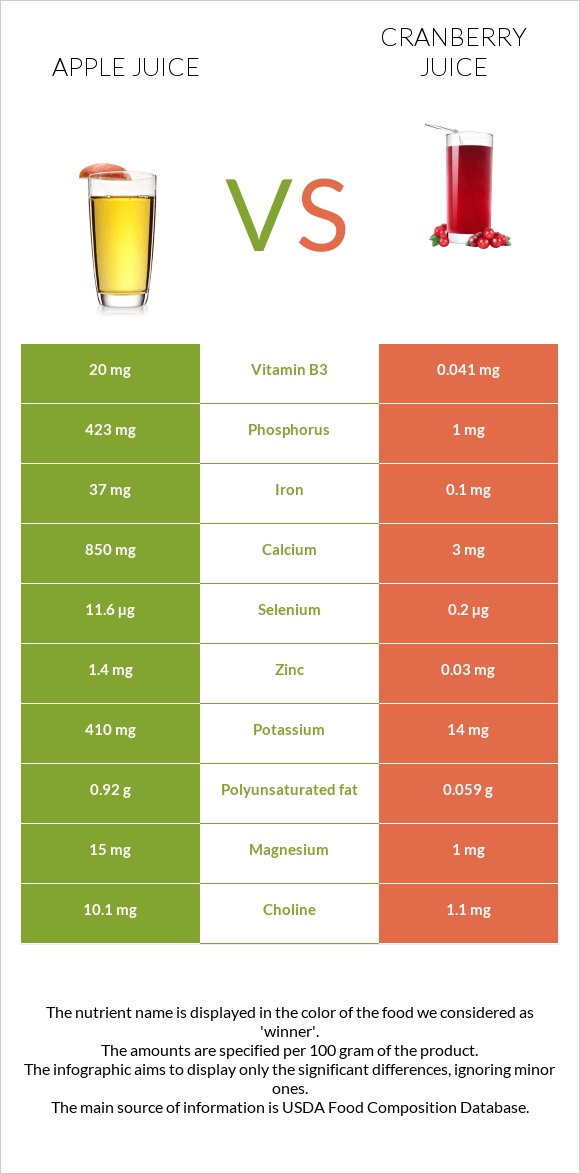
Cranberry Juice vs. Sugary Alternatives: What's Best for Your Teeth?
Hey everyone! So, you're trying to make healthier choices, and you're wondering about cranberry juice. Good for you! But with so many options out there – some packed with sugar, others claiming all-natural goodness – it can be tricky to figure out what's actually best for your pearly whites. Let's dive into the world of cranberry juice and see how it stacks up against the sugary competition.The Sugar Showdown: Why Sugar is Public Enemy Number One for Your Teeth
Before we get into the specifics of cranberry juice, let's talk about the real villain here: sugar. We all know it's not great for our overall health, but its impact on our teeth is particularly nasty. Here's the lowdown:When you eat or drink something sugary, the bacteria in your mouth go into a feeding frenzy. They feast on the sugar, producing acids as a byproduct. These acids then attack the enamel, the hard outer layer of your teeth. Over time, this acid attack can lead to tooth decay (cavities), gum disease, and even tooth loss. The longer the sugar lingers in your mouth, the more damage it can do. Think sticky candies versus a quickly-swallowed soda – the sticky stuff is worse because it sticks around longer!
Types of Sugars to Watch Out For
It's not just the obvious sugars like granulated sugar that you need to worry about. Many drinks and juices contain hidden sugars, often listed under various names such as:
- High-fructose corn syrup
- Sucrose
- Glucose
- Dextrose
- Maltose
- Fruit juice concentrate (often contains a lot of added sugar)
Always check the nutrition label and ingredient list carefully! Look for drinks with minimal added sugars.
Cranberry Juice: The Contender
Okay, so we've established that sugar is the enemy. But what about cranberry juice? Is it a hero or a villain? The answer, as with most things, is: it depends.The Good News: Cranberry juice, in its purest form (100% cranberry juice, no added sugars), contains compounds that can actually help protect your teeth. These compounds are thought to prevent bacteria from sticking to your teeth, reducing the formation of plaque. Plaque is the sticky film that builds up on your teeth and contributes to cavities and gum disease. Some studies suggest that cranberry juice can even help prevent urinary tract infections (UTIs), a bonus that's unrelated to oral health but still nice to know!
The Bad News: While pure cranberry juice boasts some potential benefits, many commercially available cranberry juice products are loaded with added sugars. These added sugars completely negate any potential benefits and turn the drink into a cavity-causing culprit.
Reading Labels is Key
This is where reading labels becomes incredibly important. Look for 100% cranberry juice with no added sugars. If you see words like "cocktail," "flavored," or "sweetened," chances are there's a significant amount of added sugar lurking within.
Cranberry Juice vs. Sugary Alternatives: The Verdict
Let's compare cranberry juice (the unsweetened kind!) to some common sugary alternatives:- Soda: Hands down, soda is one of the worst drinks for your teeth. The high sugar content combined with the acidic nature of the drink is a recipe for disaster.
- Fruit Punch: Often loaded with sugar and artificial colors and flavors, fruit punch is another major culprit.
- Sweetened Iced Tea: The added sugar in sweetened iced tea can wreak havoc on your teeth, similar to soda and fruit punch.
- Sports Drinks: Many sports drinks contain a high concentration of sugar and electrolytes that can promote bacterial growth in your mouth.
- 100% Unsweetened Cranberry Juice: This is your best bet among these options. While it's still acidic, the absence of added sugar gives it a significant edge in terms of protecting your teeth.
Remember, even unsweetened cranberry juice is still acidic. While the acidity is lower than many sodas, it can still erode enamel with frequent consumption. It's best to enjoy it in moderation and rinse your mouth with water afterward.
Tips for Protecting Your Teeth
Regardless of what you drink, here are some additional tips to protect your smile:- Brush your teeth twice a day for two minutes each time.
- Floss daily to remove food particles and plaque from between your teeth.
- Visit your dentist regularly for checkups and cleanings.
- Consider using a fluoride mouthwash to strengthen your enamel.
- Limit sugary drinks and snacks.
- Drink plenty of water to help rinse away food particles and neutralize acids.
Commonly Asked Questions
- Q: Can cranberry juice whiten my teeth? A: While some people claim cranberry juice has whitening properties, there's no scientific evidence to support this claim. Its acidic nature can even erode enamel, potentially making teeth *appear* whiter due to the removal of surface stains but at the cost of long-term damage.
- Q: Is cranberry juice good for preventing UTIs? A: There is some evidence that cranberry juice might help prevent UTIs, but more research is needed. It's not a guaranteed preventative measure.
- Q: How much cranberry juice is too much? A: Because of its acidity, limiting your intake is always a good idea. Enjoy it in moderation and always rinse your mouth with water afterward. Consider diluting it with water to further reduce acidity.
- Q: What's the best way to store cranberry juice? A: Store unopened cranberry juice according to the instructions on the label. Once opened, refrigerate it and consume it within a reasonable timeframe to prevent spoilage.

0 comments:
Post a Comment
Note: Only a member of this blog may post a comment.