


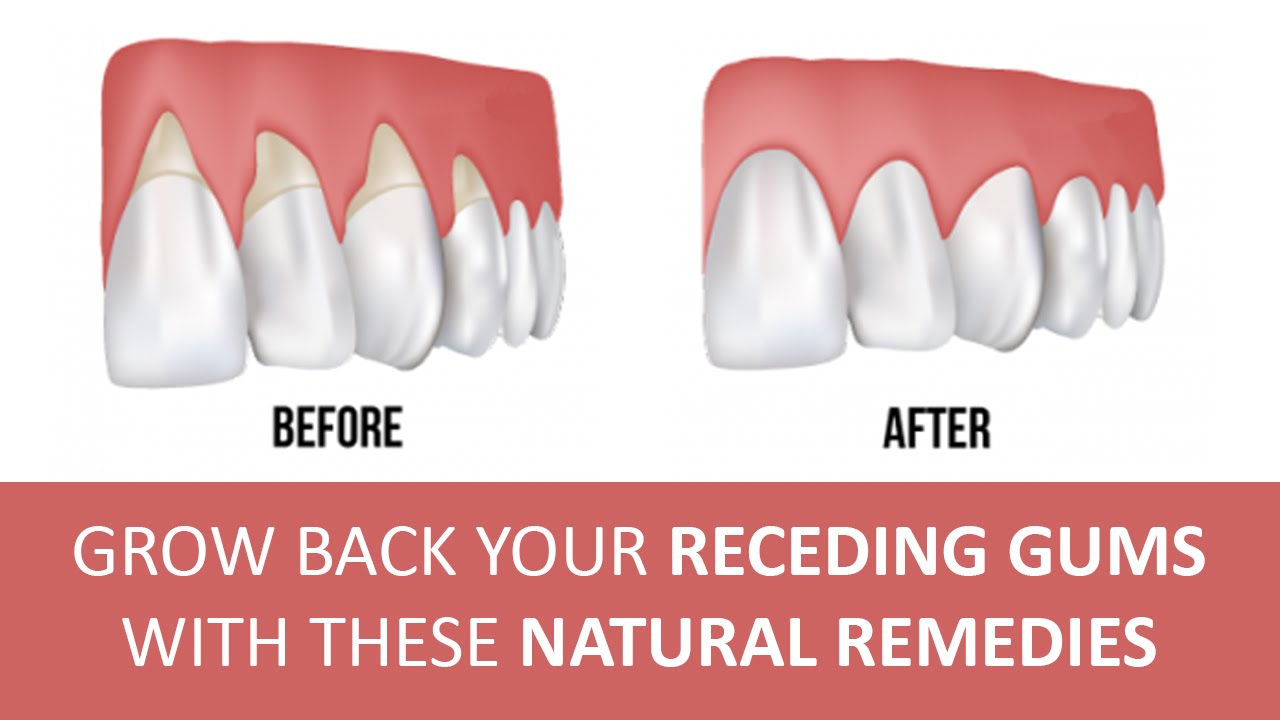
Probiotics for Gum Recession: A Natural Remedy for Gum Health
Gum recession, that unsettling retreat of gum tissue exposing more of your teeth, affects millions. While traditional treatments exist, many are seeking natural alternatives to improve their gum health and combat this often painful and aesthetically unappealing condition. Enter probiotics, the beneficial bacteria that are increasingly recognized for their potential role in overall health, including oral wellness. This article explores the fascinating connection between probiotics and gum recession, detailing how these microscopic allies might help reverse the damage and promote healthier gums.
Understanding Gum Recession and its Causes
Gum recession, also known as gingival recession, isn't merely a cosmetic issue. It exposes the sensitive root surfaces of your teeth, making them vulnerable to decay, sensitivity to hot and cold, and even tooth loss. Several factors contribute to this problem. Aggressive brushing, improper flossing techniques, and periodontal disease (gum disease) are primary culprits. Genetics also plays a role, as some individuals are simply more predisposed to gum recession than others. Furthermore, grinding or clenching your teeth (bruxism) and smoking significantly increase the risk.
The Role of the Oral Microbiome in Gum Health
Your mouth teems with a complex ecosystem of bacteria – the oral microbiome. A healthy balance of beneficial and harmful bacteria is crucial for maintaining gum health. An imbalance, known as dysbiosis, can lead to an overgrowth of harmful bacteria, triggering inflammation and contributing to gum recession and periodontal disease. This inflammation damages the tissues supporting your teeth, causing the gums to recede. Probiotics, by introducing beneficial bacteria, aim to restore this balance and combat the harmful species responsible for the damage.
How Probiotics Fight Gum Recession
Probiotics work through several mechanisms to improve gum health and potentially reverse gum recession. They:
- Compete with harmful bacteria for space and resources, limiting their growth and impact.
- Produce antimicrobial substances that directly inhibit the growth of harmful bacteria associated with gum disease.
- Strengthen the immune response in the gums, reducing inflammation and promoting tissue repair.
- Improve the overall health of the oral microbiome, creating a more balanced and resilient environment less susceptible to disease.
Incorporating Probiotics into Your Gum Health Routine
While research on the efficacy of probiotics for gum recession is ongoing and requires more large-scale studies, promising preliminary findings warrant exploration. You can introduce probiotics into your routine through several avenues. Probiotic mouthwashes and gels are readily available, delivering beneficial bacteria directly to the gums. Probiotic supplements taken orally can also positively influence the oral microbiome, albeit indirectly. Maintaining a healthy diet rich in probiotics naturally found in foods like yogurt (containing live and active cultures), kefir, and sauerkraut can contribute to a healthier oral ecosystem. Remember, a holistic approach combining probiotics with excellent oral hygiene – brushing twice a day, flossing regularly, and professional dental cleanings – is key.
Consult Your Dentist
Before incorporating probiotics into your gum health routine, consult your dentist or periodontist. They can assess your specific situation, diagnose the underlying cause of your gum recession, and advise on the most appropriate treatment plan. Probiotics should be considered a complementary therapy, not a replacement for professional dental care. They can help optimize your oral health but cannot replace essential dental procedures or treatments when necessary. Remember to always prioritize professional dental advice for optimal gum health and overall well-being.

0 comments:
Post a Comment
Note: Only a member of this blog may post a comment.