


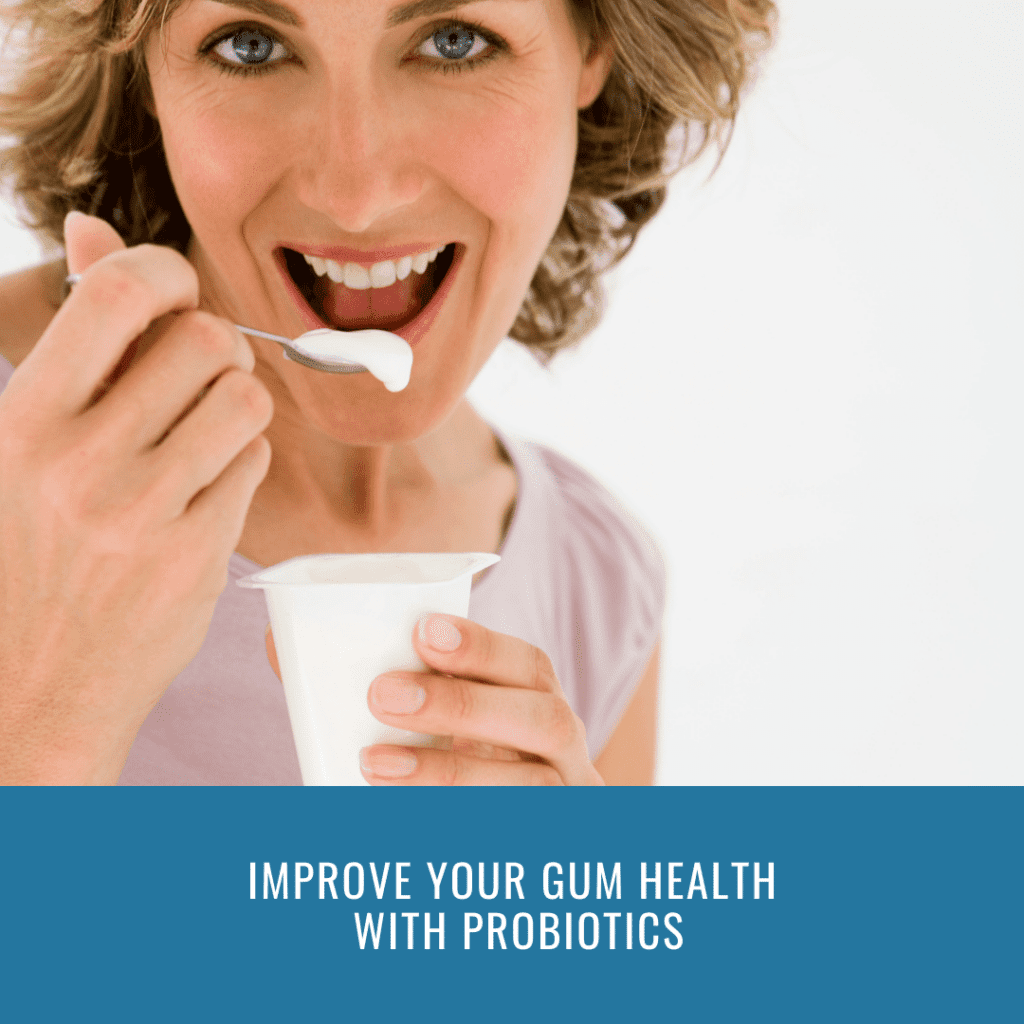
The Role of Probiotics and Xylitol in Gum Health and Oral Hygiene
Maintaining optimal oral health is crucial for overall well-being. Periodontal diseases, encompassing gingivitis and periodontitis, are prevalent global health concerns linked to systemic conditions such as cardiovascular disease and diabetes. Traditional approaches to oral hygiene, including mechanical cleaning and chemical agents, have proven effective but present limitations. Consequently, research has increasingly focused on exploring alternative and complementary therapies, notably the use of probiotics and xylitol, to enhance gum health and oral hygiene.
Probiotics: Beneficial Bacteria for Oral Health
Probiotics, defined as live microorganisms that confer a health benefit on the host when administered in adequate amounts, are increasingly recognized for their potential in modulating the oral microbiome. The oral cavity harbors a diverse and complex microbial community, with a delicate balance between beneficial and pathogenic bacteria. Disruption of this balance, often termed dysbiosis, contributes significantly to the development and progression of periodontal diseases.
Mechanisms of Action
Probiotics exert their beneficial effects through various mechanisms, including:
- Competitive exclusion: Probiotic bacteria compete with pathogenic species for adhesion sites on the tooth surface and mucosal tissues, reducing their colonization and subsequent virulence.
- Production of antimicrobial substances: Certain probiotic strains produce bacteriocins, hydrogen peroxide, and organic acids that inhibit the growth of pathogenic bacteria implicated in periodontal disease, such as Porphyromonas gingivalis and Aggregatibacter actinomycetemcomitans.
- Modulation of the immune response: Probiotics can interact with the host immune system, enhancing immune defenses against pathogens and reducing inflammation. This includes the stimulation of salivary immunoglobulin A (sIgA) production, a key component of the mucosal immune system.
- Improvement of the gingival crevicular fluid composition: Probiotics have been shown to alter the composition of gingival crevicular fluid (GCF), decreasing levels of inflammatory markers and increasing levels of beneficial components.
Probiotic Strains and Their Efficacy
Numerous probiotic strains have been investigated for their potential in improving oral health. Lactobacillus species, particularly Lactobacillus reuteri and Lactobacillus rhamnosus, have demonstrated promising results in various clinical trials. Other strains, such as Streptococcus salivarius K12 and Weissella cibaria, have also shown potential benefits. However, the efficacy of probiotic strains can vary depending on factors such as strain specificity, dosage, and duration of treatment.
Challenges and Limitations
Despite promising findings, several challenges remain in utilizing probiotics for oral health. These include:
- Strain-specific effects: The efficacy of probiotics is highly strain-specific, requiring rigorous identification and characterization of effective strains.
- Delivery systems: Effective delivery of probiotics to the oral cavity and maintaining their viability is crucial. Different delivery systems, such as chewing gums, lozenges, and mouthwashes, are being investigated.
- Dosage and duration: Determining the optimal dosage and duration of probiotic treatment requires further research.
- Lack of standardization: The lack of standardization in probiotic products poses a challenge to consistent efficacy and reliable clinical outcomes.
Xylitol: A Sugar Alcohol with Anti-cariogenic Properties
Xylitol, a five-carbon sugar alcohol, is a naturally occurring substance found in small amounts in various fruits and vegetables. It has gained recognition for its anti-cariogenic properties, making it a valuable tool in oral hygiene.
Mechanisms of Action
Xylitol exerts its beneficial effects through several mechanisms:
- Inhibition of bacterial growth: Xylitol inhibits the metabolism of cariogenic bacteria, such as Streptococcus mutans, reducing their ability to produce acid and form dental plaque.
- Reduced plaque formation: By interfering with bacterial adherence and metabolism, xylitol contributes to reduced plaque accumulation on the tooth surface.
- Increased salivary flow: Xylitol can stimulate salivary flow, which helps to neutralize acids and remove food debris from the oral cavity.
- Mineralization enhancement: Some studies suggest that xylitol may promote remineralization of tooth enamel, further strengthening the teeth against caries.
Clinical Applications of Xylitol
Xylitol is commonly used in various oral hygiene products, including chewing gums, lozenges, and toothpastes. Regular consumption of xylitol-containing products has been shown to effectively reduce the incidence of dental caries, particularly in children. It is also considered a valuable adjunct to conventional oral hygiene practices for preventing and managing periodontal diseases.
Safety and Considerations
While generally considered safe, xylitol can have laxative effects if consumed in large quantities. It is crucial to follow the recommended dosage guidelines, especially for children and pets, as ingestion of large amounts of xylitol can be toxic to animals.
Synergistic Effects and Future Directions
Emerging research suggests potential synergistic effects between probiotics and xylitol in enhancing oral health. The combination might offer a more comprehensive approach to preventing and managing periodontal diseases by addressing both the microbial imbalance and the cariogenic potential of oral bacteria. Future research should focus on investigating these synergistic effects through well-designed clinical trials.
Further studies are needed to determine the optimal combinations of probiotic strains and xylitol formulations, as well as the most effective delivery systems for maximizing their efficacy. Standardization of probiotic products and rigorous clinical trials are crucial for establishing the efficacy and safety of these approaches for wider clinical implementation.
In conclusion, probiotics and xylitol offer promising avenues for improving gum health and oral hygiene. Their respective mechanisms of action, coupled with potential synergistic effects, suggest a valuable role in complementing conventional oral hygiene practices. Continued research is essential to fully realize the therapeutic potential of these agents and translate these findings into effective and accessible oral health interventions.

0 comments:
Post a Comment
Note: Only a member of this blog may post a comment.