


Conquer Gum Inflammation and Achieve a Sparkling Smile: Your Guide to Oral Health
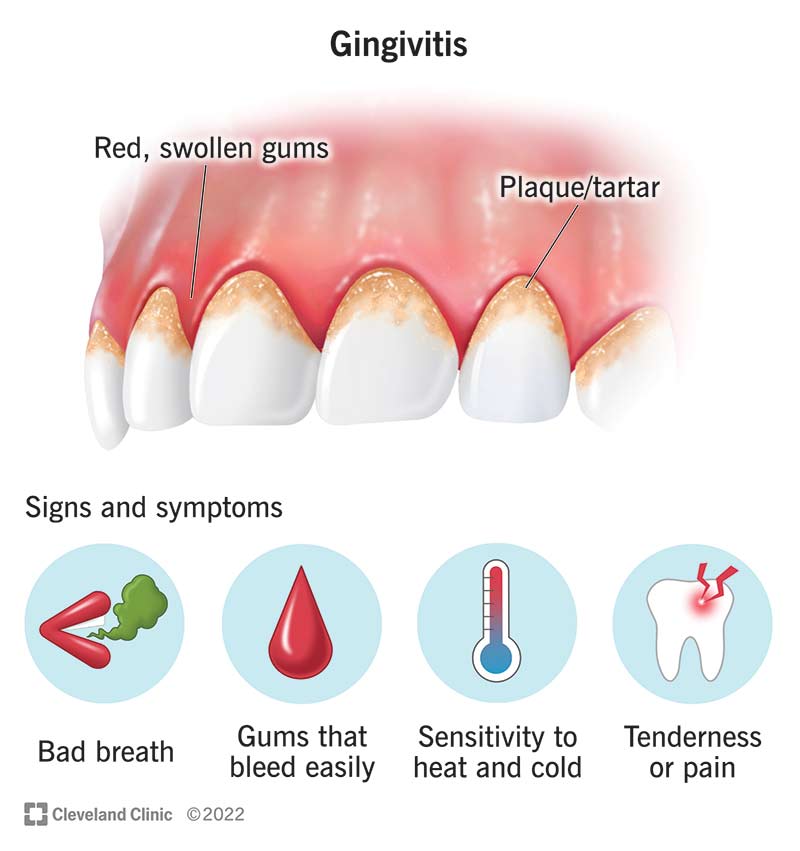
Gum inflammation, or gingivitis, is a prevalent oral health concern that, if left unchecked, can lead to serious complications like periodontitis, potentially resulting in tooth loss. Fortunately, proactive measures can significantly reduce your risk and maintain a healthy, vibrant smile. This guide provides comprehensive strategies to combat gum inflammation and cultivate optimal oral hygiene.
Mastering the Art of Brushing and Flossing
The cornerstone of gum health rests on consistent and effective brushing and flossing. Don't just go through the motions; aim for precision. Use a soft-bristled toothbrush and gently brush at a 45-degree angle to your gum line, making sure to reach all surfaces of each tooth. Focus on small, circular motions, ensuring you spend at least two minutes on each brushing session, twice a day. Consider an electric toothbrush if you find manual brushing challenging; many models offer superior plaque removal. Following your brushing, diligently floss between each tooth to remove trapped food particles and plaque that your toothbrush can't reach. Gently guide the floss along the gum line, curving it around each tooth. This meticulous approach disrupts the buildup of bacteria that contribute to gum inflammation.
Nutrition's Role in Gum Health
Your diet plays a surprising role in maintaining healthy gums. A balanced diet rich in fruits, vegetables, and whole grains provides essential vitamins and minerals that support your immune system and overall oral health. Limit sugary drinks and snacks, as they feed the bacteria that cause plaque buildup and contribute to gum inflammation. Furthermore, consider incorporating foods rich in Vitamin C (like citrus fruits and berries) and Vitamin K (like leafy greens), which are known to promote gum health. Stay hydrated by drinking plenty of water throughout the day; it helps rinse away food particles and bacteria, reducing the risk of inflammation.
Specific Foods to Include and Avoid
Prioritize foods that promote oral health. These include:
- Leafy greens (spinach, kale): Rich in Vitamin K and antioxidants.
- Citrus fruits (oranges, lemons): Excellent source of Vitamin C.
- Carrots and celery: Naturally abrasive, helping clean teeth.
Conversely, minimize consumption of:
- Sugary drinks (soda, juice): Fuel for harmful bacteria.
- Processed foods: Often lack essential nutrients.
- Sticky candies: Cling to teeth, promoting plaque buildup.
Seeking Professional Guidance
Regular visits to your dentist are crucial for preventative care. Schedule professional cleanings at least twice a year. During these appointments, your dentist will remove plaque and tartar buildup that you may miss at home, significantly reducing your risk of gum disease. They can also identify any early signs of gum inflammation or other oral health issues, allowing for prompt intervention and treatment. Don't hesitate to discuss any concerns you have about your gum health; early detection is key to preventing serious complications.
Addressing Underlying Health Conditions
Certain medical conditions, such as diabetes and hormonal imbalances, can increase your susceptibility to gum disease. Manage existing health conditions effectively through medication and lifestyle changes as directed by your physician. This holistic approach minimizes the risk of complications and improves overall oral health. Open communication with your dentist and physician is vital to ensuring comprehensive care. By working together, you can proactively address any underlying factors contributing to gum inflammation.

0 comments:
Post a Comment
Note: Only a member of this blog may post a comment.